






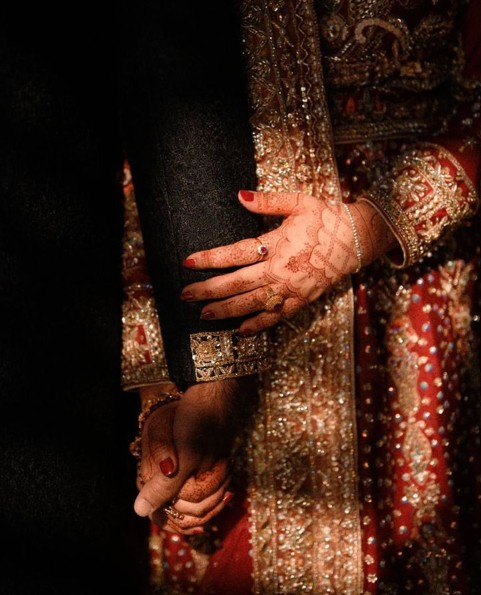

Why Smart People Overthink Marriage
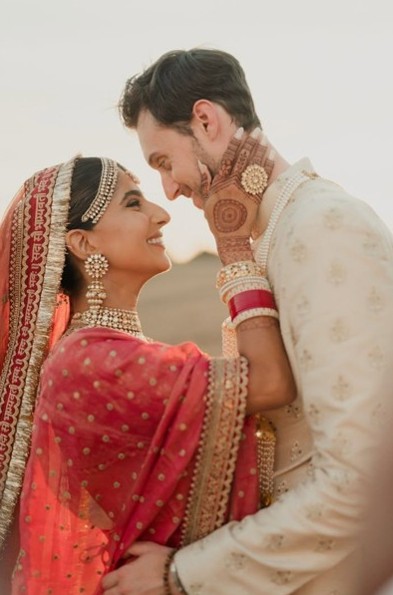
Understanding the Psychology, Pressure, and Paradox of Intelligence in Modern Matchmaking
Introduction: When Intelligence Becomes a Barrier
Marriage has always been one of life’s most significant decisions. Yet in today’s world, an interesting paradox is becoming increasingly visible: the smarter, more educated, and more accomplished people are, the harder they find it to decide whom—and whether—to marry.
Doctors, engineers, corporate leaders, entrepreneurs, academics, and globally exposed professionals often delay marriage far longer than previous generations. They analyze, question, compare, hesitate, and sometimes walk away—not because options are lacking, but because overthinking quietly takes control.
This is not a sign of emotional immaturity or arrogance. In fact, it often comes from the same qualities that made them successful: logic, foresight, risk analysis, and self-awareness. But when applied excessively to marriage, these strengths can turn into obstacles.
This article explores why smart people overthink marriage, how modern society intensifies this tendency, what it costs emotionally and socially, and how thoughtful individuals can move from analysis to confident commitment—without sacrificing wisdom.
- Intelligence Trains the Mind to Predict Outcomes
Highly intelligent people are natural pattern seekers. From a young age, they are trained—by education and experience—to ask:
- What could go wrong?
- What are the long-term consequences?
- Is there a better alternative?
- What is the opportunity cost?
In careers and business, this mindset is an asset. In marriage, however, it can become a trap.
Marriage is not a project with predictable variables. It is a living, evolving partnership shaped by emotions, circumstances, and human imperfection. Yet smart individuals often try to forecast the entire marriage before it even begins.
They mentally simulate:
- Potential conflicts
- Financial disagreements
- Personality clashes
- Parenting differences
- Social and family pressures
- Even hypothetical divorce scenarios
This level of foresight, while rational, creates decision paralysis. The mind keeps searching for certainty in a domain where certainty does not exist.
- Overexposure to Information Creates Confusion
Another major reason smart people overthink marriage is information overload.
Modern educated individuals consume:
- Relationship psychology content
- Divorce statistics
- Social media stories of failed marriages
- Podcasts about emotional trauma
- YouTube advice from strangers
- Reddit threads of regret and betrayal
Instead of learning clarity, they often absorb fear disguised as wisdom.
When someone reads hundreds of stories about “toxic marriages,” “narcissistic spouses,” or “settling for less,” the brain starts seeing risk everywhere. Every minor flaw in a potential partner feels like a red flag. Every disagreement seems like a warning sign.
The result?
Smart people stop asking:
“Can we grow together?”
And start asking:
“What if this becomes a disaster?”
- High Standards vs Unrealistic Expectations
There is an important difference between high standards and unrealistic expectations, but smart people often blur this line.
High standards are healthy:
- Emotional maturity
- Integrity
- Respect
- Compatibility
- Shared values
Unrealistic expectations are dangerous:
- Perfect emotional intelligence at all times
- No past mistakes
- Complete alignment on every issue
- Constant excitement without boredom
- Flawless communication without effort
Because intelligent individuals understand psychology and self-development, they often expect theoretical perfection in real humans.
They forget one truth:
Marriage is not about finding someone who has everything—it’s about choosing someone with whom growth is possible.
Overthinking begins when the mind refuses to accept human imperfection, even when compatibility is strong.
- Fear of Regret: The Smart Person’s Silent Enemy
One of the deepest drivers of overthinking marriage is fear of regret.
Smart people are acutely aware of missed opportunities. They have seen:
- Careers ruined by one wrong decision
- Businesses fail due to bad partnerships
- Lives altered by poor judgment
So they ask:
- “What if someone better comes later?”
- “What if I’m settling too early?”
- “What if I realize after marriage that I chose wrong?”
Ironically, this fear often leads to inaction, which creates its own regret.
Years pass.
Options narrow.
Emotional readiness fades.
Social pressure increases.
The regret they feared from choosing wrong is replaced by a new regret:
“Why didn’t I choose when I had the chance?”
- Intelligence Increases Self-Awareness—and Self-Doubt
Highly intelligent people are usually very self-aware. They reflect deeply on their emotions, flaws, habits, and limitations.
While self-awareness is valuable, it can also fuel doubt:
- “Am I emotionally ready?”
- “Do I have unresolved trauma?”
- “Will my personality hurt someone?”
- “Can I really be a good spouse?”
Instead of seeing marriage as a journey of learning together, smart people sometimes feel they must fix themselves completely before committing.
But self-development has no finish line.
Marriage is not a reward for becoming perfect—it is often the environment where growth accelerates.
- Social Status Raises the Stakes
For educated and established individuals, marriage is not just a personal decision—it is a social one.
Family reputation, professional image, social circles, and cultural expectations all amplify pressure. Smart people understand these stakes very clearly.
They worry:
- How will this marriage reflect on my family?
- Will this decision affect my social standing?
- Will colleagues judge my choice?
- Will my partner fit into my world?
The more successful a person is, the more they feel that one wrong marriage could undo everything they’ve built.
This fear pushes them into endless evaluation rather than decisive action.
- Choice Abundance Creates Comparison Addiction
Smart people often have more options, not fewer.
Education, exposure, networks, and financial stability open many doors. But abundance has a psychological downside: constant comparison.
Every potential partner is unconsciously compared to:
- Past prospects
- Hypothetical future matches
- Idealized mental images
- Social media couples
- Peer marriages
This leads to a dangerous mindset:
“This is good… but is it the best?”
Marriage, however, is not a competition of maximizing options. It is a commitment to one path, knowing that all other paths will be closed.
Smart minds struggle with this finality.
- Emotional Intelligence vs Emotional Availability
Many intelligent people are emotionally intelligent—but not emotionally available.
They understand emotions conceptually:
- They can name feelings
- Analyze patterns
- Explain attachment styles
- Discuss communication techniques
Yet they struggle with vulnerability:
- Letting go of control
- Accepting uncertainty
- Trusting without guarantees
Marriage requires emotional availability, not just emotional intelligence.
Overthinking becomes a defense mechanism against vulnerability.
- The Myth of “Perfect Timing”
Another common trap is waiting for the perfect time:
- Career fully settled
- Income perfectly stable
- Family issues resolved
- Emotional clarity achieved
- Life completely organized
Smart people know life is complex, so they postpone marriage until everything feels “ready.”
But life rarely pauses to offer perfect timing.
Those who marry successfully often do so during imperfect moments, choosing partnership as a source of strength—not a final destination.
- Analysis Paralysis: When Logic Overrides Wisdom
At some point, logic stops serving wisdom.
Marriage decisions require:
- Judgment, not calculation
- Intuition, not prediction
- Courage, not certainty
Smart people sometimes forget that not all truths are measurable.
You cannot spreadsheet compatibility.
You cannot algorithm emotional safety.
You cannot simulate love in advance.
Overthinking marriage is often the mind’s attempt to avoid the risk of trust.
- Cultural Shifts Make Marriage Feel Optional
In modern urban life, especially among educated circles, marriage is no longer presented as essential—it is framed as optional, negotiable, and postponable.
Smart people internalize this:
- “I don’t need marriage to be happy.”
- “I can always marry later.”
- “There’s no rush.”
While independence is empowering, it can also delay important emotional milestones.
Marriage becomes something to optimize rather than experience.
- The Emotional Cost of Overthinking
Overthinking marriage doesn’t come without consequences:
- Loneliness despite success
- Emotional fatigue from repeated evaluations
- Reduced trust in one’s own judgment
- Increased anxiety around commitment
- Strained family relationships
Ironically, many smart people end up emotionally exhausted—not because marriage failed, but because it never began.
- How Smart People Can Think Better—Not Less
The solution is not to stop thinking, but to think differently.
Healthy thinking about marriage includes:
- Distinguishing deal-breakers from discomfort
- Accepting growth over perfection
- Valuing character over checklist items
- Understanding that certainty is an illusion
- Trusting shared values more than imagined futures
Marriage is a decision made with enough information, not all information.
- Why Family-Guided, Verified Matchmaking Helps
This is where professional, family-oriented marriage media plays a critical role—especially for intelligent individuals.
Structured matchmaking:
- Reduces uncertainty
- Filters serious intentions
- Verifies background and values
- Removes noise and false options
- Creates clarity, not pressure
When the process is trustworthy, smart people don’t need to overthink—they can focus on connection.
Why Smart People Overthink Marriage (Extended Analysis)
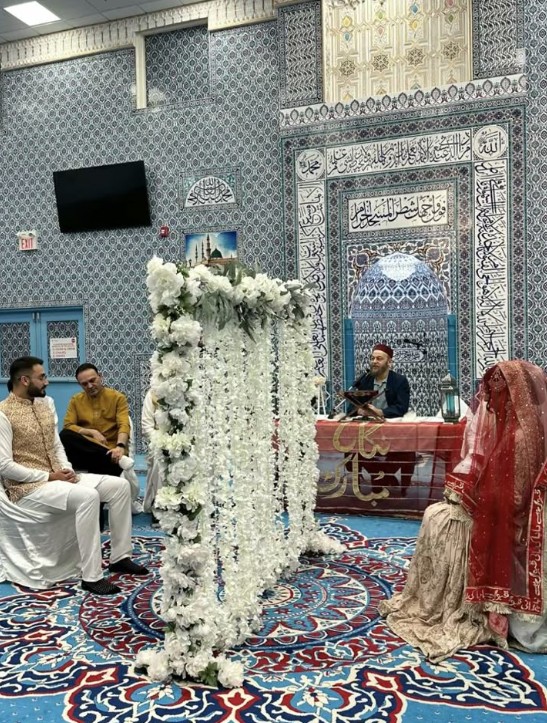
Deeper Psychological Layers, Social Conditioning, and the Path to Decisive Commitment
- Intelligence and the Burden of Responsibility
Smart people don’t just think about themselves when considering marriage—they think about everyone involved.
They worry about:
- Their parents’ expectations
- The emotional wellbeing of their future spouse
- Financial responsibilities
- Children they may not even have yet
- Extended family dynamics
This heightened sense of responsibility makes marriage feel heavy—almost overwhelming.
While less reflective individuals may enter marriage with optimism alone, intelligent people carry the emotional weight of future accountability. They understand that marriage is not reversible without consequences, and that awareness slows them down.
Overthinking, in this sense, is not selfishness—it is hyper-responsibility.
- Smart People Are Trained to Avoid Failure—Marriage Feels Like a High-Risk Zone
From early education onward, intelligent individuals are conditioned to:
- Avoid mistakes
- Maximize success
- Correct errors quickly
- Learn from failure
But marriage does not come with a syllabus, grading system, or exit exam.
In fact, marriage is one of the few major life decisions where:
- You cannot “quit” easily
- Failure carries emotional and social costs
- Learning happens after commitment
This makes marriage feel like a high-risk, low-control decision—a scenario smart minds naturally resist.
They ask:
“What if I fail at the most important relationship of my life?”
Overthinking becomes a way to delay facing that risk.
- Emotional Independence Makes Commitment Feel Optional
Many intelligent people are emotionally self-sufficient.
They:
- Live independently
- Handle stress alone
- Make decisions without external validation
- Maintain emotional control
This independence is empowering—but it also removes urgency.
Marriage, then, feels like:
- An addition, not a necessity
- A choice, not a need
- A lifestyle upgrade, not a foundation
Because their life already works, smart people feel no emotional pressure to change it.
The irony?
Marriage is less about fixing what’s broken—and more about sharing what already works.
- The Problem of Emotional Forecasting
Smart people often try to predict:
- How they will feel in 10 years
- How their partner will change
- Whether love will last
- Whether attraction will fade
This emotional forecasting assumes that feelings are static and predictable.
But emotions evolve through:
- Shared struggles
- Crisis management
- Aging together
- Mutual sacrifice
- Parenting and loss
No one can accurately predict emotional growth.
Trying to do so only leads to mental exhaustion and delay.
- When Logic Undermines Faith
Marriage requires a certain amount of faith:
- Faith that communication will improve
- Faith that conflicts can be resolved
- Faith that people can grow
- Faith that love deepens with time
Smart people often resist faith-based decisions.
They prefer evidence.
But marriage is one of the few areas where evidence only comes after commitment.
Waiting for proof before deciding means waiting forever.
- Trauma Awareness Can Turn into Trauma Avoidance
Modern educated individuals are more aware of:
- Attachment styles
- Childhood trauma
- Emotional wounds
- Generational patterns
While this awareness is valuable, it can also create hyper-vigilance.
Every disagreement feels like:
- “Is this a red flag?”
- “Is this unresolved trauma?”
- “Will this repeat my parents’ mistakes?”
Smart people sometimes confuse possibility with inevitability.
Understanding trauma should lead to compassion—not constant fear.
- Fear of Losing Autonomy
One of the most unspoken fears among intelligent individuals is the fear of losing autonomy.
They worry:
- Will marriage restrict my freedom?
- Will I have to compromise too much?
- Will my individuality disappear?
Because smart people strongly identify with their minds, routines, and independence, marriage feels like a potential threat to selfhood.
In reality, healthy marriages expand autonomy by:
- Sharing emotional burdens
- Providing stability
- Creating shared purpose
But overthinking magnifies the fear of loss more than the potential for gain.
- Smart People Often Delay Emotional Risk Until It’s “Safe”
Highly intelligent people often believe:
“I’ll take emotional risks once I’m more certain.”
But emotional safety does not precede commitment—it grows within it.
Marriage is not safe because people are perfect.
It becomes safe because people choose to stay.
Overthinking delays the very experience that creates security.
- Social Comparison Among the Educated Elite
In elite circles, marriage decisions are rarely private.
Smart people compare:
- Age at marriage
- Spouse’s education
- Family background
- Career compatibility
- Lifestyle alignment
This comparison culture makes marriage feel like a public evaluation, not a personal bond.
As a result, individuals try to optimize outcomes rather than follow inner clarity.
This leads to delayed decisions and emotional confusion.
- The Illusion of Emotional Control
Smart people believe that thinking more gives them control.
But emotions do not obey logic.
Marriage requires:
- Emotional flexibility
- Conflict tolerance
- Patience
- Acceptance
Overthinking creates the illusion of control while actually reducing emotional resilience.
The strongest marriages are not formed by the most intelligent people—but by the most emotionally committed ones.
- Why Smart People Are Harder on Themselves
Intelligent individuals often judge themselves harshly:
- “I should know better.”
- “I shouldn’t make mistakes.”
- “I must get this right.”
This self-pressure turns marriage into a performance, not a partnership.
They forget:
Marriage is not about being flawless—it’s about being present.
- When Career Success Replaces Emotional Risk
For many smart people, career becomes a safe substitute for intimacy.
Work offers:
- Clear rewards
- Predictable effort-result cycles
- Recognition
- Control
Marriage offers:
- Emotional vulnerability
- Unpredictability
- Shared decision-making
- Long-term compromise
Overthinking marriage is sometimes a sign that career success feels safer than emotional investment.
- Why Smart People Need Structure, Not More Options
What actually helps intelligent individuals decide is structure, not abundance.
Too many options increase anxiety.
Structured matchmaking:
- Narrows choices
- Sets clear intentions
- Aligns family values
- Reduces uncertainty
This allows smart people to shift from analysis to alignment.
- The Difference Between Readiness and Willingness
Smart people often wait to feel ready.
But readiness is subjective and moving.
Marriage requires willingness, not perfection.
Willingness means:
- Willing to learn
- Willing to adapt
- Willing to grow together
- Willing to stay during discomfort
Overthinking delays willingness.
- Emotional Maturity Is Not Emotional Certainty
Being emotionally mature does not mean being emotionally certain.
It means:
- Accepting doubt
- Managing fear
- Choosing despite ambiguity
Smart people often confuse maturity with certainty—and wait for a feeling that never arrives.
- How Families Can Support Smart Decision-Makers
Families of intelligent individuals must:
- Reduce pressure
- Avoid comparison
- Encourage clarity, not urgency
- Respect thoughtful timelines
- Provide emotional reassurance
Support helps overthinkers move forward.
- Why Thoughtful Marriages Last Longer
When smart people finally decide—after reflection—they often commit deeply.
They:
- Communicate intentionally
- Value emotional growth
- Invest consciously
- Respect boundaries
- Learn continuously
Overthinking delays marriage—but when balanced, intelligence strengthens it.
- Moving from Overthinking to Trust
The transition happens when smart people accept:
- Marriage is not a guarantee
- Risk is unavoidable
- Growth is mutual
- Love is built, not found
Trust is not the absence of doubt—it is action despite doubt.
- The Role of Trusted Marriage Media
For intelligent families, professional marriage media:
- Reduces emotional noise
- Provides verified clarity
- Supports thoughtful decisions
- Aligns long-term values
This environment allows smart people to choose without fear.
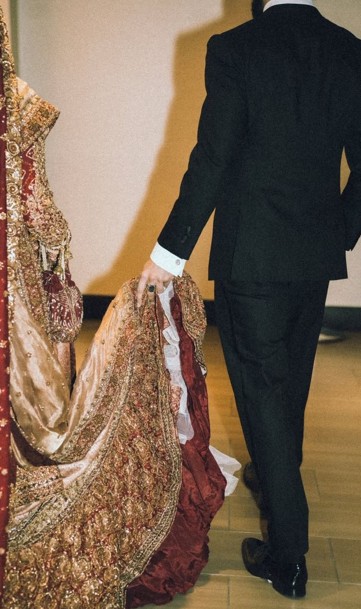
Final Reflection: Intelligence Should Serve Love—Not Delay It
Smart people overthink marriage because they value life deeply.
But wisdom is knowing when thinking has done enough.
Marriage does not reward the most analytical—it rewards the most committed.
And sometimes, the smartest decision is not to think more—but to step forward with courage.

Other Articles
Matchmaking for Corporate Leaders & Business Families in Gulshan