






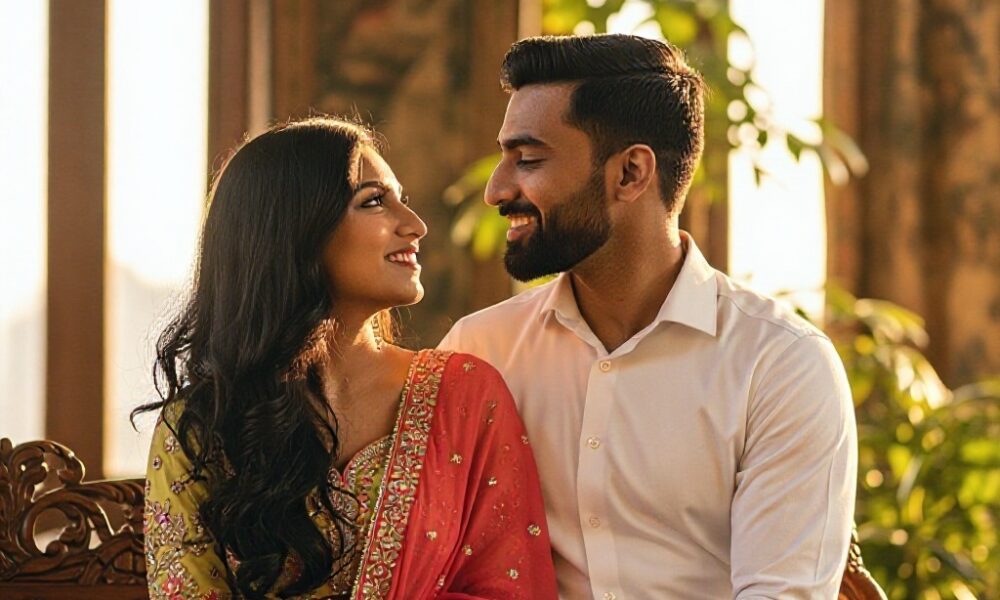

The Importance of Emotional Compatibility in Arranged Marriages
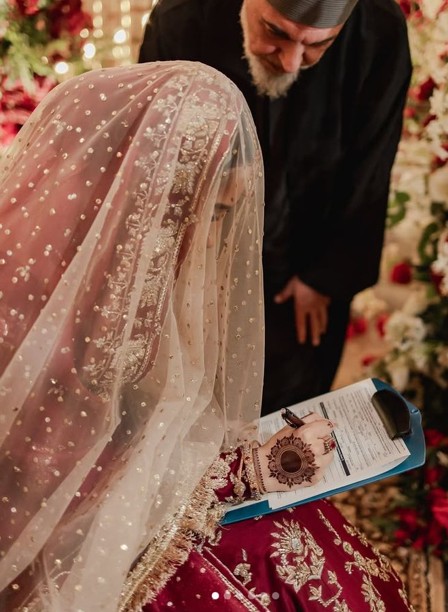
Arranged marriages have evolved significantly over time. What was once primarily a union based on family background, social status, education, and financial stability has now transformed into a more nuanced process—one that increasingly values emotional compatibility as a cornerstone of long-term marital success.
In today’s world, where individuals are more self-aware, emotionally expressive, and psychologically informed, emotional compatibility is no longer a luxury—it is a necessity. While families may successfully align practical aspects, a marriage truly thrives when two individuals are emotionally aligned.
This comprehensive guide explores why emotional compatibility is crucial in arranged marriages, how it differs from romantic chemistry, how to assess it, and how families and marriage media can support emotionally compatible matches.
- Understanding Emotional Compatibility
What Is Emotional Compatibility?
Emotional compatibility refers to the ability of two individuals to:
- Understand each other’s emotional needs
- Communicate feelings effectively
- Respond to each other with empathy and respect
- Manage conflict without emotional harm
- Feel emotionally safe, valued, and supported
It does not mean identical personalities or constant harmony. Rather, it means emotional alignment, mutual respect, and the ability to grow together.
- Why Emotional Compatibility Matters More Than Ever
In modern arranged marriages, couples are expected to:
- Live independently
- Balance work and family
- Navigate stress, finances, parenting, and societal pressure
- Make joint decisions
Without emotional compatibility, even the most “perfect-on-paper” match can struggle.
Key Reasons Emotional Compatibility Is Critical Today:
- Increased emotional awareness among individuals
- Higher expectations from marriage
- Reduced tolerance for emotional neglect
- Greater emphasis on mental well-being
- Desire for partnership, not just duty
- Emotional Compatibility vs. Romantic Chemistry
These two concepts are often confused.
| Romantic Chemistry | Emotional Compatibility |
| Instant attraction | Gradual emotional bonding |
| Intense emotions | Stable emotional connection |
| Can fade over time | Strengthens with time |
| Driven by excitement | Driven by understanding |
| Short-term spark | Long-term sustainability |
In arranged marriages, romantic chemistry may develop later—but emotional compatibility must exist from the beginning to ensure a stable foundation.
- Traditional Arranged Marriages and Emotional Gaps
Historically, arranged marriages focused on:
- Family reputation
- Economic stability
- Social compatibility
- Religious alignment
Emotional needs were often overlooked or assumed to develop automatically.
Consequences of Ignoring Emotional Compatibility:
- Emotional distance between spouses
- Communication breakdown
- Loneliness within marriage
- Silent resentment
- Increased marital dissatisfaction
Many marriages survived—but not all thrived.
- Emotional Compatibility as the Foundation of Trust
Trust in marriage is not built only on honesty—it is built on emotional safety.
When emotionally compatible couples:
- Feel heard without judgment
- Can be vulnerable without fear
- Know their partner’s emotional triggers
- Respect emotional boundaries
Trust becomes organic, not forced.
- Communication: The Heart of Emotional Compatibility
Effective communication is the clearest indicator of emotional compatibility.
Emotionally Compatible Couples:
- Listen to understand, not to win
- Express disagreement respectfully
- Validate each other’s feelings
- Avoid emotional manipulation
Emotionally Incompatible Couples:
- Dismiss emotions
- Use silence as punishment
- React defensively
- Escalate conflicts
In arranged marriages, where couples are still getting to know each other, communication patterns reveal emotional alignment quickly.
- Emotional Maturity and Compatibility
Emotional compatibility depends heavily on emotional maturity.
Signs of Emotional Maturity:
- Accountability for one’s actions
- Ability to regulate emotions
- Willingness to apologize
- Openness to feedback
A marriage where one partner is emotionally mature and the other is not often results in imbalance and frustration.
- Conflict Resolution Styles and Emotional Alignment
Conflict is inevitable. Compatibility is revealed in how couples fight, not whether they fight.
Emotionally Compatible Couples:
- Address issues calmly
- Avoid character attacks
- Seek resolution, not dominance
- Take responsibility
Emotionally Incompatible Couples:
- Escalate quickly
- Blame and shame
- Avoid resolution
- Repeat unresolved conflicts
In arranged marriages, early discussions about conflict styles are essential.
- Emotional Compatibility and Expectations from Marriage
Many marital conflicts arise not from wrongdoing—but from unspoken expectations.
Examples:
- Expectations about emotional support
- Time and attention needs
- Role of spouse vs. extended family
- Expression of affection
Emotionally compatible couples are more likely to align expectations early or adapt respectfully.
- The Role of Empathy in Arranged Marriages
Empathy allows partners to understand emotions even when they disagree.
In arranged marriages—where partners may come from different emotional environments—empathy bridges gaps.
Empathetic partners:
- Recognize emotional stress
- Respond with patience
- Offer reassurance
Without empathy, emotional distance grows quickly.
- Family Involvement and Emotional Compatibility
Families play a significant role in arranged marriages.
Positive Family Influence:
- Encouraging emotional conversations
- Respecting personal boundaries
- Supporting emotional well-being
Negative Family Influence:
- Dismissing emotional needs
- Prioritizing adjustment over happiness
- Discouraging communication
Marriage media and families must jointly support emotional alignment—not just social compatibility.
- Emotional Compatibility and Mental Health
Mental health awareness has increased significantly.
Emotionally compatible partners:
- Acknowledge stress and anxiety
- Support emotional healing
- Avoid stigmatizing mental struggles
In contrast, emotional incompatibility can worsen stress, depression, and emotional isolation.
- Gender Expectations and Emotional Compatibility
Cultural gender roles often suppress emotional expression.
- Men may be discouraged from vulnerability
- Women may be expected to over-accommodate
True emotional compatibility exists when:
- Both partners can express emotions freely
- Emotional labor is shared
- Respect replaces rigid roles
- Emotional Compatibility in Second Marriages
For divorcees or widowed individuals, emotional compatibility is even more critical.
Past experiences create:
- Emotional scars
- Trust sensitivity
- Clearer emotional boundaries
Arranged second marriages succeed when emotional needs are respected openly and sensitively.
- Emotional Compatibility vs. Adjustment Culture
Many arranged marriages rely heavily on “adjustment.”
While compromise is healthy, constant emotional suppression is not.
Healthy adjustment:
- Mutual
- Conscious
- Respectful
Unhealthy adjustment:
- One-sided
- Emotionally damaging
- Long-term resentment
Emotional compatibility reduces the need for painful adjustment.
- How to Assess Emotional Compatibility Before Marriage
Key Conversations to Have:
- How do you handle stress?
- What makes you feel emotionally supported?
- How do you deal with anger?
- What are your emotional boundaries?
- How do you express affection?
Observe:
- Listening skills
- Reaction to disagreement
- Empathy level
- Emotional openness
- The Role of Marriage Media in Emotional Matching
Modern marriage media must go beyond biodata.
Emotion-focused matching includes:
- Personality understanding
- Communication preferences
- Emotional maturity assessment
- Values alignment
Premium marriage media increasingly prioritize emotional compatibility.
- Emotional Compatibility and Long-Term Happiness
Research and real-life experience show that emotionally compatible couples:
- Report higher marital satisfaction
- Experience fewer unresolved conflicts
- Feel less lonely in marriage
- Grow together emotionally
Love deepens when emotional safety exists.
- Common Myths About Emotional Compatibility
Myth 1: Love will fix everything
Love helps—but emotional mismatch can still cause pain.
Myth 2: Emotional needs are secondary
They are foundational, not optional.
Myth 3: Emotional compatibility develops automatically
It requires awareness, effort, and alignment.
- Emotional Compatibility as a Lifelong Process
Compatibility is not static.
Emotionally healthy couples:
- Revisit emotional needs
- Grow together
- Adapt with life changes
Marriage is not about emotional perfection—but emotional partnership.
- Advice for Families Arranging Marriages
- Encourage open conversations
- Respect emotional concerns
- Avoid rushing decisions
- Value emotional well-being as much as status
A successful marriage benefits families too.
- Advice for Individuals Entering Arranged Marriages
- Be honest about your emotional needs
- Don’t ignore red flags
- Ask meaningful questions
- Trust emotional instincts
Your emotional well-being matters.
- Emotional Compatibility and Divorce Prevention
Many divorces occur not due to betrayal—but emotional neglect.
Early emotional alignment:
- Prevents long-term dissatisfaction
- Encourages problem-solving
- Strengthens marital resilience
- Cultural Shift: Redefining Success in Arranged Marriages
Success is no longer just:
- Staying married
- Social approval
True success is:
- Emotional peace
- Mutual respect
- Psychological safety
- Final Thoughts: Emotional Compatibility Is Not Optional
Arranged marriages can be deeply fulfilling—but only when emotional compatibility is given the importance it deserves.
A marriage built on:
- Emotional understanding
- Respectful communication
- Empathy and maturity
is far more likely to withstand time, challenges, and change.
Arranged marriages do not fail because families choose poorly on paper. They struggle when emotional realities are ignored. In this extended discussion, we move beyond definitions and explore how emotional compatibility works in real life — across years, responsibilities, crises, and growth.
Emotional compatibility is not about being emotionally perfect. It is about being emotionally available, responsive, and safe — especially in a marriage that begins without long emotional history.
- Emotional Compatibility and Emotional Safety
One of the most underestimated needs in marriage is emotional safety.
Emotional safety means:
- You can speak without fear of ridicule
- You can disagree without being punished
- You can be vulnerable without being used
- You can express sadness without being dismissed
In arranged marriages, emotional safety determines whether partners grow closer or drift apart silently.
Why Emotional Safety Is Critical
When emotional safety is absent:
- Partners suppress feelings
- Communication becomes superficial
- Emotional distance increases
- Loneliness exists despite companionship
Emotionally compatible couples naturally create safety through empathy, patience, and consistency.
- Emotional Compatibility During Life Transitions
Marriage is not static. Life introduces changes that test emotional alignment.
Major Life Transitions Include:
- Career changes
- Relocation
- Pregnancy and parenthood
- Illness
- Financial stress
- Loss of loved ones
Emotionally compatible couples:
- Adapt together
- Support each other emotionally
- Communicate fears and uncertainties
Emotionally incompatible couples often:
- Blame each other
- Withdraw emotionally
- Feel misunderstood during crises
In arranged marriages, emotional compatibility becomes visible after the wedding, making pre-marital awareness crucial.
- Emotional Compatibility and Stress Management
Stress reveals emotional patterns.
Emotionally Compatible Stress Responses:
- Sharing stress instead of hiding it
- Asking for help
- Offering reassurance
- Avoiding emotional dumping
Emotionally Incompatible Stress Responses:
- Emotional shutdown
- Anger displacement
- Silent treatment
- Emotional dependency
Understanding stress-handling styles before marriage helps predict long-term harmony.
- Emotional Compatibility and Attachment Styles
Psychology identifies attachment styles that strongly influence relationships.
Common Attachment Styles:
- Secure
- Anxious
- Avoidant
Emotionally compatible couples often have:
- Secure–secure pairing, or
- Awareness-based adaptation between styles
In arranged marriages, mismatched attachment styles without awareness can cause:
- Misinterpretation of behavior
- Emotional insecurity
- Repetitive conflict
Awareness creates compassion. Ignorance creates distance.
- Emotional Compatibility vs Emotional Dependency
Compatibility does not mean emotional dependence.
Healthy Emotional Compatibility:
- Emotional support with independence
- Mutual encouragement
- Respect for personal space
Unhealthy Emotional Dependency:
- Constant validation need
- Emotional control
- Fear-based attachment
Arranged marriages thrive when both partners are emotionally complete individuals who choose partnership — not emotional survival.
- Emotional Compatibility in Everyday Life
Compatibility is revealed in ordinary moments, not grand gestures.
Examples:
- How silence is handled
- How moods are respected
- How fatigue is acknowledged
- How appreciation is expressed
Emotionally compatible couples:
- Read emotional cues
- Respond gently
- Avoid unnecessary conflict
Daily emotional awareness builds lifelong intimacy.
- Emotional Compatibility and Power Balance
Power imbalance damages emotional health.
In emotionally compatible marriages:
- Decisions are shared
- Voices are respected
- Emotional labor is balanced
In incompatible marriages:
- One partner dominates emotionally
- Feelings are invalidated
- Fear replaces openness
Arranged marriages require conscious power balance, especially when traditional roles exist.
- Emotional Compatibility and Respectful Disagreement
Disagreement does not threaten emotionally compatible couples.
Healthy patterns include:
- Staying on topic
- Avoiding personal attacks
- Willingness to pause and resume
- Apology without ego
In emotionally incompatible marriages, disagreements become:
- Character judgments
- Emotional warfare
- Long-lasting resentment
Respect during conflict is a strong indicator of compatibility.
- Emotional Compatibility and Emotional Intelligence (EQ)
Emotional intelligence enables compatibility.
High EQ partners:
- Identify emotions accurately
- Regulate reactions
- Respond thoughtfully
Low EQ leads to:
- Emotional reactivity
- Miscommunication
- Repeated misunderstandings
Arranged marriages benefit greatly when emotional intelligence is valued alongside education and career.
- Emotional Compatibility Across Personality Differences
Compatibility does not require similarity.
Introvert–extrovert couples can be emotionally compatible if:
- Differences are respected
- Needs are acknowledged
- No one feels pressured to change
Problems arise when:
- Differences are criticized
- Emotional needs are dismissed
Acceptance is more important than similarity.
- Emotional Compatibility and Cultural Conditioning
Many individuals enter marriage emotionally conditioned by upbringing.
Examples:
- Emotional suppression
- Conflict avoidance
- Authority-based communication
Emotionally compatible partners:
- Understand each other’s conditioning
- Adjust expectations
- Create new emotional patterns together
Arranged marriages often unite people from different emotional environments — awareness bridges gaps.
- Emotional Compatibility and Emotional Availability
Some people are emotionally unavailable despite good intentions.
Signs include:
- Difficulty expressing feelings
- Avoidance of emotional conversations
- Dismissive responses
In arranged marriages, emotional availability matters more than emotional expression style.
Compatibility exists when:
- Both partners are willing to engage emotionally
- Growth is mutual
- Emotional Compatibility and Intimacy
Emotional intimacy precedes physical intimacy.
Emotionally compatible couples:
- Feel emotionally close
- Share inner worlds
- Feel accepted
Without emotional intimacy:
- Physical closeness feels disconnected
- Emotional loneliness persists
Arranged marriages benefit when emotional closeness is nurtured patiently.
- Emotional Compatibility in Long-Term Commitment
Time tests compatibility.
Emotionally compatible marriages:
- Improve communication with age
- Develop deeper understanding
- Feel safer over time
Emotionally incompatible marriages often:
- Accumulate unresolved issues
- Experience emotional withdrawal
- Maintain surface-level coexistence
Compatibility determines whether marriage becomes companionship or coexistence.
- Emotional Compatibility and Parenting
Parenting reveals emotional alignment strongly.
Compatible couples:
- Support each other emotionally
- Respect parenting differences
- Communicate during stress
Incompatible couples:
- Undermine each other
- Argue in front of children
- Create emotional instability
Children thrive when parents model emotional respect.
- Emotional Compatibility and Forgiveness
Forgiveness requires emotional maturity.
Emotionally compatible partners:
- Apologize sincerely
- Forgive consciously
- Avoid scorekeeping
In emotionally incompatible marriages:
- Past mistakes resurface repeatedly
- Forgiveness is conditional
- Emotional wounds remain open
Healing depends on emotional alignment.
- Emotional Compatibility and Aging Together
As couples age:
- Energy reduces
- Health concerns increase
- External validation decreases
Emotionally compatible partners:
- Become emotional anchors
- Provide comfort
- Grow in companionship
Without compatibility, aging can increase loneliness.
- Emotional Compatibility in Arranged vs Love Marriages
Love marriages may begin with emotional familiarity. Arranged marriages begin with intention.
When emotional compatibility is prioritized:
- Arranged marriages can be equally or more successful
- Emotional growth becomes intentional
Compatibility is built through awareness, not just history.
- Role of Counselors & Matchmakers in Emotional Matching
Progressive marriage media now:
- Encourage emotional conversations
- Educate families
- Normalize emotional awareness
This shift reduces future marital distress.
- Emotional Compatibility and Marriage Longevity
Longevity depends on:
- Emotional responsiveness
- Mutual respect
- Shared emotional growth
Not on:
- Social pressure
- Fear of separation
- Forced adjustment
- Common Emotional Red Flags in Arranged Proposals
- Dismissive attitude toward emotions
- Inability to apologize
- Emotional rigidity
- Control through guilt
Ignoring these often leads to long-term dissatisfaction.
- How Families Can Support Emotional Compatibility
Families should:
- Allow private conversations
- Respect emotional concerns
- Avoid emotional pressure
Support creates healthier marriages.
- Emotional Compatibility Is Not Anti-Tradition
Some fear emotional focus weakens tradition.
In reality:
- Emotional health strengthens family stability
- Emotionally healthy marriages last longer
Tradition evolves to protect well-being.
- Emotional Compatibility as a Skill, Not Fate
Compatibility improves with:
- Awareness
- Effort
- Communication
It is not destiny — it is development.
- Final Reflection: Marriage Is an Emotional Partnership
At its core, marriage is not just a social arrangement — it is an emotional partnership.
Arranged marriages succeed not when emotions are ignored, but when they are respected, understood, and nurtured.
A marriage survives on commitment — but it thrives on emotional compatibility.
Final Conclusion
When families, individuals, and marriage media recognize emotional compatibility as essential — not optional — arranged marriages transform from obligations into meaningful partnerships.
of Emotional
Choosing emotional compatibility is choosing:
- Peace over pressure
- Understanding over assumption
- Growth over endurance
And that choice shapes not just marriages — but lives.
A Final Note on Emotional Responsibility in Arranged Marriages
Emotional compatibility is not something that magically appears after marriage—it grows when both partners take emotional responsibility for the relationship. This means being aware of how words, silence, reactions, and behaviors affect the other person. In arranged marriages especially, where emotional familiarity develops gradually, small acts of kindness, patience, and emotional honesty create powerful bonds over time. When partners feel emotionally respected, they naturally become more open, cooperative, and supportive. Ultimately, emotional compatibility transforms marriage from a structured arrangement into a living, breathing partnership built on trust, care, and mutual emotional growth.

Other Articles

How Arranged Marriage Has Evolved in Dhaka’s Elite Society
How Gulshan Media Maintains 100% Privacy in High-Profile Matchmaking