






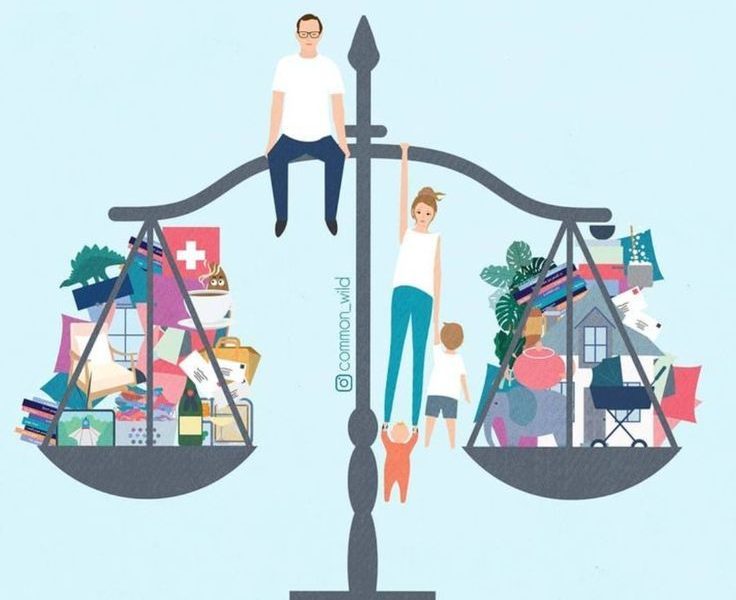

Career vs Marriage: How to Balance Both in Modern Bangladeshi Life

Introduction: The Modern Dilemma
In today’s fast-changing Bangladeshi society, one question keeps echoing in the minds of young men and women:
“Should I focus on my career first, or should I get married early?”
This dilemma has become more intense than ever. With rising education levels, competitive job markets, increasing living costs, and changing social values, many people delay marriage in pursuit of financial stability and professional success. At the same time, families, cultural traditions, and Islamic teachings emphasize the importance of timely marriage.
So, is it really a choice between career and marriage?
Or is this a false conflict created by modern pressure and misconceptions?
The truth is: you don’t have to sacrifice one for the other. With the right mindset, planning, and partner, career and marriage can grow together in harmony.
This blog explores the issue deeply—from Islamic guidance and social realities to practical strategies and how Gulshan Media helps modern Bangladeshis find balanced, halal matches.
1Why This Dilemma Exists Today
The conflict between career and marriage did not appear overnight. It is the result of long-term social, economic, technological, and psychological changes in Bangladeshi society. Understanding why this dilemma exists is the first step toward solving it wisely.
Let’s explore the real reasons behind this growing confusion.
- Extended Education Timelines
In previous generations, most people in Bangladesh completed their education by the age of 18–20 and entered the workforce soon after. Today, that timeline has changed dramatically.
Modern youth often follow this path:
- SSC (10 years)
- HSC (12 years)
- Bachelor’s degree (16–17 years)
- Master’s degree (18–19+ years)
- Professional certifications (BBA, MBA, CA, ACCA, IT, IELTS, etc.)
This means many people don’t feel “career-ready” until their mid-to-late 20s or even early 30s.
Psychological impact:
People begin to believe that marriage must wait until all studies are finished and a “proper” job is secured.
- Competitive Job Market & Career Insecurity
Bangladesh now has:
- Millions of university graduates every year
- Limited high-paying job opportunities
- Rising unemployment among educated youth
- Contract-based or unstable jobs
- Gig economy and freelancing uncertainty
This creates a deep fear:
“If I marry now and lose my job later, how will I support my family?”
As a result, many delay marriage until they feel financially invincible—a standard that is almost impossible to fully achieve.
- Rising Cost of Living in Urban Areas
Urbanization has changed marriage economics completely.
In places like Gulshan, Banani, Uttara, and Dhanmondi, couples face:
- High rent or apartment prices
- Expensive furniture and electronics
- Rising grocery costs
- Transportation expenses
- Healthcare costs
- Child education expenses
- Social pressure for “standard lifestyle”
Marriage is no longer seen as a simple nikah—it’s seen as a financial project.
This makes young people think:
“Let me earn more first, then I’ll marry.”
- Social Media Pressure & Comparison Culture
This is one of the biggest modern causes of the dilemma.
On Facebook, Instagram, and YouTube, people constantly see:
- Luxury weddings
- Honeymoon trips to Maldives or Turkey
- Couples buying cars and apartments
- Career success stories at young ages
- Influencers showing “perfect life”
Even though most of this content is filtered, edited, or exaggerated, it creates a dangerous mental standard.
People start thinking:
“If I can’t afford this lifestyle, I’m not ready for marriage.”
This comparison culture destroys contentment and increases fear-based delay.
- Changing Role of Women in Society
This is a positive change, but it has created new confusion.
Today:
- More women are highly educated
- More women are financially independent
- More women want meaningful careers
- Families now value working daughters-in-law
However, society hasn’t fully adapted to this shift.
This creates tension such as:
- Men feeling insecure about earning less
- Families fearing that career women won’t prioritize family
- Women fearing marriage will limit their ambitions
As a result, both genders delay marriage while waiting for the “perfect balance.”
- Fear of Divorce & Failed Marriages
Modern youth have seen:
- Rising divorce rates
- Toxic marriages in relatives’ homes
- Domestic violence cases
- Emotional neglect
- Financial conflicts
These real-life examples create commitment anxiety.
People think:
“What if I marry now and regret it later?”
“What if my career suffers because of a bad marriage?”
This fear pushes people to delay marriage until they feel emotionally bulletproof.
- Unrealistic Marriage Expectations
Today’s marriage standards are much higher than before.
People now expect:
- Perfect looks
- High salary
- High education
- Emotional intelligence
- Religious values
- Romantic compatibility
- Social status
- Family reputation
Finding someone who meets all these conditions takes time.
So people keep waiting for a better option, delaying marriage year after year.
- Parental Pressure Mixed with Modern Confusion
Parents are also confused.
On one hand, they want:
- Early marriage
- Social respect
- Grandchildren
- Stability
On the other hand, they also want:
- High-earning sons-in-law
- Highly educated daughters-in-law
- Luxury weddings
- Strong financial background
This mixed messaging creates stress for young people.
They hear:
“Focus on your career first.”
“Why aren’t you married yet?”
Both at the same time.
- Loss of Traditional Matchmaking Systems
In the past:
- Family networks handled matchmaking
- Communities verified character
- Expectations were realistic
- Processes were fast
Today:
- Nuclear families dominate
- Social trust is lower
- Online dating culture has confused intentions
- Serious halal platforms are rare
People waste years on unserious relationships or mismatched proposals, which delays marriage even further.
- Psychological Fear of Responsibility
Modern life promotes:
- Freedom
- Travel
- Personal happiness
- Individual goals
- “Live your life first” culture
Marriage is seen as:
- Burden
- Loss of freedom
- Endless responsibility
- Stressful commitment
This mindset makes people postpone marriage emotionally, even when they are financially ready.
-
Islamic Perspective: Balance, Not Conflict
Islam offers a beautifully balanced approach.
2.1 Marriage as an Act of Worship
The Prophet Muhammad (ﷺ) said:
“O young people, whoever among you can afford it, let him marry, for it lowers the gaze and guards chastity.”
(Bukhari & Muslim)
Marriage is not just a social contract—it is ibadah (worship) and a means of spiritual growth.
2.2 Work and Halal Earning Are Also Worship
Islam highly values:
- Honest labor
- Financial responsibility
- Supporting one’s family
- Avoiding dependency
Earning halal income is itself an act of worship.
2.3 The Key Islamic Principle: Tawakkul + Planning
Islam does not demand that you become rich before marriage.
It encourages:
- Basic financial capability
- Responsibility
- Sincere intention
- Trust in Allah (tawakkul)
“If they are poor, Allah will enrich them from His bounty.”
(Qur’an 24:32)
This verse reminds us that marriage brings barakah, not poverty.
-
Common Myths About Career and Marriage
Myth 1: “Marriage will ruin my career.”
Reality:
A supportive spouse often improves focus, discipline, emotional stability, and motivation.
Myth 2: “I must be fully settled before marriage.”
Reality:
No one is ever 100% settled. Life always evolves. Growth together is healthier than growing alone.
Myth 3: “Only men need financial stability.”
Reality:
Both partners should understand budgeting, saving, and financial responsibility.
Myth 4: “Career-focused women should delay marriage.”
Reality:
Thousands of successful women balance marriage and career beautifully with the right partner.
Myth 5: “Marriage means giving up personal dreams.”
Reality:
A good marriage should support—not destroy—individual dreams.
-
Real Challenges of Balancing Career and Marriage
Let’s be honest—balancing both isn’t always easy.
4.1 Time Pressure
- Long working hours
- Commuting stress
- Less quality time together
4.2 Financial Stress
- Rent or housing loans
- Family responsibilities
- Wedding expenses
- Childcare planning
4.3 Career Relocations
- Job transfers
- Overseas opportunities
- Conflicts about where to live
4.4 Family Expectations
- Pressure for early children
- Interference in decisions
- Traditional role expectations
4.5 Mental Burnout
- Work stress affects relationship
- Relationship issues affect work
- Emotional exhaustion
But challenges are not proof of failure—they are proof of reality.
Every successful couple learns to adapt.
-
Benefits of Balancing Career and Marriage
When done wisely, balancing both can bring powerful advantages.
5.1 Emotional Stability
A loving spouse provides:
- Emotional support
- Stress relief
- Motivation during failures
5.2 Financial Teamwork
Two people planning together can:
- Save faster
- Invest wisely
- Handle emergencies better
5.3 Spiritual Growth
Marriage encourages:
- Responsibility
- Patience
- Gratitude
- Self-control
5.4 Social Strength
A stable marriage:
- Improves social respect
- Strengthens family bonds
- Builds community stability
5.5 Long-Term Career Success
Studies show married professionals often perform better due to:
- Mental stability
- Organized routines
- Clear life purpose
-
How to Know If You’re Ready for Marriage
Instead of focusing only on age or salary, ask these questions:
Emotional Readiness
- Can I handle disagreements calmly?
- Can I compromise?
- Can I accept someone’s flaws?
Financial Readiness
- Can I manage basic expenses?
- Do I understand budgeting?
- Am I avoiding unnecessary debt?
Mental Readiness
- Am I mentally prepared for lifelong commitment?
- Can I prioritize someone else’s needs?
Spiritual Readiness
- Do I value halal relationships?
- Do I understand Islamic marriage duties?
Practical Readiness
- Do I have a rough life plan?
- Am I willing to grow together?
You don’t need perfection—only responsibility + sincerity.
Practical Strategies to Balance Career and Marriage

Balancing career and marriage is not about choosing one over the other—it’s about designing a lifestyle where both can grow together. This balance does not happen automatically. It requires intentional planning, emotional intelligence, communication, and continuous adjustment.
Below are detailed, realistic strategies tailored for modern Bangladeshi couples.
- Choose the Right Partner (The Foundation of Balance)
No time-management trick or financial plan will work if your partner does not respect your life goals.
What to look for:
- Someone who values your career and does not feel threatened by your growth
- Someone who has personal ambitions and life goals
- Someone emotionally mature enough to handle stress
- Someone who communicates respectfully
- Someone who shares Islamic values and moral principles
- Someone who believes in teamwork, not control
Why this matters:
A supportive partner multiplies your success. A controlling or insecure partner destroys your balance.
- Have Honest Pre-Marriage Conversations
Many marriages fail not because of lack of love, but because of lack of clarity.
Before marriage, discuss openly:
- Career goals (short-term & long-term)
- Job location flexibility
- Study plans (MBA, BCS, foreign degrees, etc.)
- Financial expectations (income, savings, lifestyle)
- Children timeline
- Role expectations (housework, childcare)
- Living arrangements (with parents or separately)
- Family responsibilities
Why this matters:
Clarity today prevents conflict tomorrow.
- Set Joint Life Goals (Not Individual Wars)
After marriage, your life is no longer “my goals vs your goals”—it becomes our goals.
Create:
- 1-year goals (stability, savings, routine building)
- 5-year goals (career growth, home planning)
- 10-year goals (children education, investments)
How to do this practically:
- Monthly planning meetings
- Vision board at home
- Shared Google Docs or notebooks
- Annual goal review
Why this matters:
Shared direction creates unity instead of competition.
- Master Time Management as a Couple
Time—not money—is the real challenge.
Practical tools:
- Fixed daily check-in time (10–15 minutes)
- Weekly date night (even at home)
- Digital detox hours (no phones)
- Shared calendar (Google Calendar)
- Planned vacations (even short ones)
Bangladeshi reality tip:
If traffic eats your time, prioritize morning quality time or late-night emotional connection.
- Share Household Responsibilities (Modern Marriage Rule)
Traditional one-sided workload destroys emotional balance.
Divide tasks realistically:
- Cooking
- Cleaning
- Grocery shopping
- Laundry
- Childcare
- Bill payments
- Family errands
Why this matters:
Shared duties = reduced burnout + increased respect.
- Build a Smart Financial System Together
Money problems are the #1 cause of marital stress.
Practical financial strategies:
- Joint monthly budget
- Emergency fund (6 months’ expenses)
- Separate personal spending allowances
- Clear savings goals
- Investment planning
- Debt reduction strategy
Transparency rule:
No secret loans. No hidden spending. No financial surprises.
- Support Each Other’s Career Growth Actively
Don’t just “allow” your partner’s career—actively support it.
Examples:
- Help with CV writing
- Prepare for interviews together
- Share household load during exam periods
- Encourage further education
- Attend networking events together
Why this matters:
Emotional support multiplies professional success.
- Learn Healthy Conflict Resolution Skills
Arguments are normal. Destructive fighting is not.
Golden rules:
- Never insult or threaten divorce
- Focus on problems, not personalities
- Take timeouts during heated fights
- Use “I feel” statements
- Apologize quickly when wrong
- Seek counseling when needed
Why this matters:
Unresolved conflict destroys both marriage and career focus.
- Protect Mental Health & Emotional Well-being
Career pressure + marital pressure = burnout.
Daily mental health habits:
- Short walks together
- Dua and prayer time
- Gratitude journaling
- Deep conversations
- Limiting toxic social media
When to seek help:
- Chronic sadness
- Constant fights
- Emotional withdrawal
- Panic or depression symptoms
- Involve Family Wisely (Not Blindly)
Family support is a blessing—interference is a curse.
Healthy boundaries:
- Share only necessary details
- Make major decisions together first
- Respect parents but prioritize marriage
- Avoid letting families control career choices
Bangladeshi reality tip:
Use Islamic reasoning when setting boundaries—it reduces conflict.
- Plan Career Moves as a Team
Never make big career decisions alone.
Examples:
- Job switching
- Business investments
- Foreign migration
- Higher studies
- Major loans
Why this matters:
Surprise decisions destroy trust.
- Accept Life Will Never Be Perfectly Balanced
Balance is dynamic, not static.
Some years:
- Career will dominate
Some years: - Family will dominate
Key principle:
Don’t chase perfection—chase harmony.
- Keep Romance Alive Intentionally
Love doesn’t survive on autopilot.
Simple romance ideas:
- Surprise notes
- Small gifts
- Compliments
- Memory trips
- Anniversary rituals
Why this matters:
Emotional connection fuels patience during hard times.
- Use Professional Help When Needed
There’s no shame in guidance.
Helpful resources:
- Marriage counselors
- Financial advisors
- Career coaches
- Islamic scholars
- Build a Shared Spiritual Routine
Spiritual unity strengthens emotional unity.
Ideas:
- Praying together
- Reading Quran weekly
- Charity planning
- Islamic lectures
Why this matters:
Spiritual grounding reduces anxiety and ego.
Summary: The Formula for Balance
Balancing career and marriage requires:
- The right partner
- Clear communication
- Shared goals
- Smart time management
- Financial planning
- Emotional intelligence
- Family boundaries
- Spiritual grounding
There is no shortcut.
But there is a smart system.
Transition Line for Your Blog
Balancing career and marriage is not a magical skill—it is a learnable discipline. With the right partner, honest communication, and intentional planning, both career success and marital happiness can grow side by side.
-
Role of Family in Balancing Career and Marriage
In Bangladesh, family influence is powerful.
8.1 Positive Family Roles
Families can:
- Encourage realistic expectations
- Avoid extreme pressure
- Support dual-career marriages
- Help with childcare
- Offer emotional guidance
8.2 Handling Negative Pressure
When families push unrealistic demands:
- Communicate respectfully
- Set boundaries
- Seek mutual compromise
- Use religious reasoning
8.3 Parental Trust Matters
Parents trust platforms like Gulshan Media because:
- Profiles are verified
- Families are involved
- Matches are value-based
- Privacy is respected
-
Gender Roles in Modern Bangladeshi Marriages
9.1 Evolving Male Roles
Modern husbands should:
- Support wives’ careers
- Share housework
- Communicate emotionally
- Avoid toxic masculinity
9.2 Evolving Female Roles
Modern wives should:
- Respect husbands’ responsibilities
- Communicate career priorities
- Balance family needs
- Avoid social comparison
9.3 Partnership, Not Competition
Marriage is not about:
- Who earns more
- Who sacrifices more
- Who controls more
It’s about teamwork.
-
Career Planning After Marriage
10.1 Short-Term Goals (1–3 Years)
- Stabilize income
- Adjust routines
- Strengthen relationship
- Build savings
10.2 Medium-Term Goals (3–7 Years)
- Home purchase planning
- Career promotions
- Children education fund
10.3 Long-Term Goals (10+ Years)
- Retirement planning
- Business investments
- Family legacy
-
Common Mistakes to Avoid
- Delaying marriage endlessly
- Marrying without discussion
- Ignoring financial planning
- Comparing with others
- Hiding career ambitions
- Avoiding counseling
- Real-Life Inspired Scenarios
Case 1: Dual-Career Couple
A software engineer and a teacher matched through Gulshan Media. They:
- Set financial goals
- Shared housework
- Supported career growth
- Now own a home in Dhaka
Case 2: Late Marriage Regret
A corporate professional delayed marriage until 38. Later faced:
- Loneliness
- Reduced marriage options
- Emotional stress
Case 3: Early Balanced Marriage
A couple married in mid-20s. They:
- Grew careers together
- Built savings gradually
- Raised children peacefully
-
How Gulshan Media Supports This Balance
Gulshan Media is not just a matchmaking service—it’s a life partnership platform.
We help by:
- Matching based on values, education & goals
- Verifying family background
- Prioritizing halal communication
- Supporting parental involvement
- Offering counseling-style guidance
- Ensuring privacy & respect
- Filtering unserious profiles
We believe:
Marriage should support your career—not interrupt it.
-
Frequently Asked Questions (FAQs)
Q1: What’s the best age to marry?
There’s no universal age. It depends on emotional, financial, and mental readiness.
Q2: Should women delay marriage for career?
Not necessarily. With the right partner, both can grow together.
Q3: Is financial instability a valid reason to delay marriage?
Basic stability is important—but extreme delay often causes more harm than benefit.
Q4: Can long-distance marriage work?
Yes, with strong communication and clear future plans.
-
Final Thoughts: Choose Balance Over Fear
Career and marriage are not enemies. They are two pillars of a meaningful life.
Delaying marriage too long out of fear can cause:
- Loneliness
- Emotional instability
- Missed opportunities
Rushing into marriage without preparation can cause:
- Financial stress
- Relationship conflict
- Mental burnout
The solution is balance.
If you find a compatible partner, share values, and have basic financial awareness, you don’t have to choose between career and marriage—you can grow in both together.
And with the right halal matchmaking platform like Gulshan Media, finding a supportive, career-aligned life partner becomes much easier.


Other Articles

Marriage Decisions in Joint Families vs Nuclear Families
How Arranged Marriage Has Evolved in Dhaka’s Elite Society