






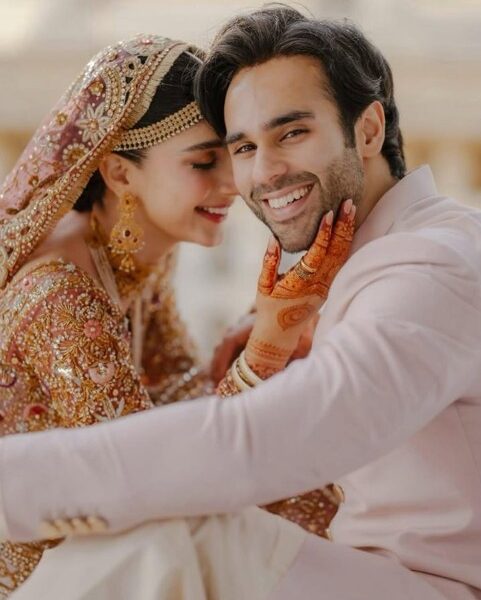

How Arranged Marriage Has Evolved in Dhaka’s Elite Society

Arranged marriage in Bangladesh has long been more than just a social ritual—it’s a deeply cultural institution rooted in family values, religion, community ties, and societal expectations. Yet, in Dhaka’s elite circles—where education, global exposure, and economic mobility intersect—the concept of arranged marriage has transformed significantly over the past few decades.
What was once a largely predictable and family-driven process has now become hybrid, selective, adaptive, and reflective of modern priorities. Today’s elite families in Dhaka are balancing tradition with personal choice, social identity with individuality, and cultural values with global exposure.
In this comprehensive exploration, we’ll unpack how arranged marriage has evolved within Dhaka’s elite society: the drivers of change, the new principles guiding alliances, the emergence of professional matchmakers, modern challenges, and what it all means for future generations.
- The Traditional Model: How It Once Worked
Historically, arranged marriage in Bangladesh—including in Dhaka—operated through well-defined community networks. Families relied on:
- Extended relatives and family friends
- Local community elders and respected social figures
- Word-of-mouth recommendations
- Social gatherings and formal introductions
These arrangements prioritized family reputation, social compatibility, religion, caste/community norms, and financial security. Individuals rarely had direct involvement in the process, and most decisions were made collectively by families or elders.
In elite circles, this meant:
- Matches were validated through social status
- Decisions were reinforced by family legacies
- Long-standing alliances within similar circles were common
This system worked well when social mobility was limited and community structures were more rigid. But as education, travel, technology, and global exposure expanded, the old model began to show limitations—especially for elite urban families.
- Education and Global Exposure: A Game Changer
Dhaka’s elite community is characterized by high levels of education. Many families have multiple members who have:
- Studied abroad
- Lived in cosmopolitan environments
- Worked in international or multicultural workplaces
- Married cross-culture or cross-border
This education and global exposure reshaped expectations around marriage. Unlike earlier generations who prioritized only social status or family reputation, modern elite candidates began to want:
- Personal agency in choosing a partner
- Alignment in values, goals, and lifestyle choices
- Partners who are equally educated or globally exposed
- Emotional compatibility as a key factor
These preferences reflect a shift from solely family-centred decision-making to shared personal priorities between the individual and the family.
- The Rise of Digital Matchmaking and Its Impact
The digital revolution has had a profound impact on matrimonial trends in Dhaka and particularly within elite society.
With the growth of the internet and smartphones, matrimonial websites and apps entered the scene, providing features like:
- Profile creation with educational and professional details
- Search filters by preferences
- Private communication between interested parties
- Hybrid models combining technology with personal matching
These platforms made the matchmaking process:
- More efficient
- Less geographically restricted
- More accessible for busy professionals
Elite families, however, were cautious about online matchmaking due to concerns about:
- Privacy and confidentiality
- Authenticity of profiles
- Cultural sensitivity
This tension between digital convenience and prestige concerns led to a new middle path: premium marriage media services that blend traditional values with modern tools. (gulshanmarriagemedia.com)
- The Emergence of Professional Matchmakers
Dhaka’s elite society witnessed the rise of professional marriage media and matchmaking services in the early 2000s and especially in the last decade.
Today, agencies like Gulshan Marriage Media provide services that traditional online sites often can’t:
- Personalized introductions based on values and priorities
- Background verification and screening
- Confidential handling of profiles
- High standards of discretion
- Alignment with family expectations instead of just individual preferences
Elite families no longer want “random matches.” They want curated introductions that respect:
- Privacy
- Reputation
- Compatibility
- Lifestyle standards
- Family values
This approach preserves the cultural integrity of arranged marriage while eliminating many of the inconveniences of unstructured matchmaking. (gulshanmarriagemedia.com)
- Individual Choice Meets Family Expectations
One of the most remarkable transformations in Dhaka’s arranged marriage tradition is in decision ownership.
In past generations:
- Families held nearly all decision power
- Individuals rarely expressed preferences publicly
- Emotional compatibility was a secondary consideration
In today’s elite society:
- Individuals have a strong voice in choosing partners
- Family expectations and personal priorities are negotiated
- Emotional compatibility and relationship readiness are key factors
This isn’t a rebellion against tradition. Rather, it’s a harmonized approach that respects heritage while embracing personal autonomy.
In many cases, parents actively involve their son/daughter in evaluating proposals, discussing intentions, and setting relationship expectations before formal consent.
This evolution has helped reduce:
- Forced alliances
- Misaligned relationships
- Post-marriage dissatisfaction
Instead, families work together to foster partnerships built on both cultural alignment and personal values.
- Women’s Empowerment and Its Influence on Arranged Marriage
Elite women in Dhaka today are far more educated, career-oriented, and financially independent than previous generations. They are:
- Doctors
- Engineers
- Entrepreneurs
- Academics
- Corporate leaders
This shift plays a central role in how arranged marriage has evolved:
Why?
- Women are more involved in decision-making
- They have clearer expectations for partners
- Financial independence gives them negotiating power
- They often seek partners who support equality
Elite families now look for grooms who respect:
- Career ambitions
- Personal goals
- Emotional intelligence
- Shared decision-making in marriage
This transformation reflects both societal progress and changing perceptions of gender roles. It has also influenced marriage dynamics in other ways—such as negotiations on living arrangements, future careers, and children’s education.
This makes arranged marriages in elite circles more collaborative and modern than ever before.
- Balancing Tradition with Modern Compatibility
Even as individual preferences matter more, traditional values still hold influence among elites.
Key factors families still consider include:
- Religious compatibility
- Respect for cultural norms
- Family reputation
- Long-term stability
- Social harmony
However, these considerations are now balanced with modern compatibility markers like:
- Education level
- Professional goals
- Emotional maturity
- Lifestyle preferences
- Cultural adaptability
This nuanced approach ensures that arranged marriages in elite society aren’t just transactional—they’re holistic and future-oriented.
- Challenges in Modern Arranged Marriage
Despite the evolution, elite families in Dhaka face new challenges:
Complex Expectations
Individuals want:
- Emotional autonomy
- Meaningful partnerships
- Space for personal growth
Families want:
- Legacy continuity
- Cultural alignment
- Respect for traditions
Balancing these expectations can be difficult.
Global Influences vs Local Traditions
Exposure to global norms and diverse cultural views sometimes clashes with local expectations on:
- Roles in marriage
- Family involvement
- Decision-making structures
Finding middle ground requires intentional communication and openness.
Social Pressures
Even with modernization, societal judgment and family opinions continue to influence decisions. Navigating these pressures remains a real concern for many young professionals.
- The Role of Divorce and Redefining Success
In recent years, divorce rates—including among urban and elite populations—have been increasing. This reflects broader shifts in societal attitudes:
- Dissatisfaction with relationships that lack emotional compatibility
- Greater willingness to prioritize personal well-being
- Less stigma attached to ending unhealthy marriages (Dhaka Tribune)
Elite families now consider:
- Pre-marriage compatibility assessments
- Counseling support
- Clear expectations for partnership growth
This proactive approach redefines arranged marriage not as a one-time contract but as a continuously evolving partnership.
- Conclusion: A Dynamic Tradition for a Changing World
Arranged marriage in Dhaka’s elite society is neither static nor uniform. It has evolved into a nuanced, sophisticated, and highly personal process—melding cultural heritage with modern sensibilities.
Today’s elite marriages are characterized by:
✔ Collaboration between individuals and families
✔ High value on education, emotional compatibility, and shared goals
✔ Confidential and professional matchmaking services
✔ Balance between tradition and individual autonomy
✔ Respect for career ambitions and personal identity

This evolution demonstrates that arranged marriage is not outdated—it’s adaptable, responsive, and capable of reflecting the complex identities of modern families.
As Dhaka’s elite continue to navigate marriage in the 21st century, arranged marriage remains a living tradition—reshaped by global exposure, empowered individuals, and evolving societal values.
- From Community-Controlled to Family-Curated Matchmaking
One of the most visible evolutions in Dhaka’s elite arranged marriage culture is the shift in control.
In the past, marriage decisions were influenced heavily by:
- Extended family elders
- Community leaders
- Social gatekeepers
- Informal reputation networks
Elite families relied on collective judgment rather than personal compatibility. However, as Dhaka’s elite society grew more globalized and nuclear, control moved inward—from community to immediate family.
What this change looks like today
- Parents curate options instead of imposing decisions
- Siblings participate in evaluations
- Candidates are consulted early, not at the final stage
- Decisions are revisited multiple times before final consent
This transformation has made arranged marriage more deliberate, selective, and emotionally conscious, especially among educated and affluent families.
- The Rise of Discretion as a Social Priority
In elite society, visibility often comes with risk. Reputation, privacy, and social standing are carefully guarded.
Unlike earlier generations who openly discussed marriage prospects, modern elite families prefer:
- Minimal social exposure
- Controlled information sharing
- Confidential introductions
Why discretion matters more than ever
- High-profile careers
- Corporate leadership roles
- Political or business family backgrounds
- International exposure
As a result, elite arranged marriage has become quiet, strategic, and confidential—a stark contrast to open community matchmaking.
This need for discretion directly fueled the growth of premium, invitation-based marriage media.
- Emotional Compatibility Enters the Conversation
Traditionally, emotional compatibility was assumed to develop after marriage. Today, it is evaluated before commitment.
Elite families now actively assess:
- Communication style
- Emotional maturity
- Stress-handling ability
- Conflict resolution habits
This reflects a major philosophical shift: marriage is no longer seen as a rigid duty but as an emotional partnership.
Parents increasingly understand that:
“A socially perfect match can still fail if emotional compatibility is missing.”
- How Elite Parents Have Evolved Alongside Their Children
One of the most underestimated changes in Dhaka’s elite society is parental mindset evolution.
Modern elite parents:
- Are better educated themselves
- Have witnessed divorce and marital breakdowns
- Understand emotional well-being
- Value long-term stability over quick marriage
As a result, they:
- Allow longer evaluation periods
- Encourage dialogue between prospective partners
- Support counseling or mediated discussions
- Avoid forcing timelines
This generational empathy has softened the rigid edges of traditional arranged marriage.
- Financial Transparency Becomes Essential
In elite arranged marriages, financial matters were once discussed indirectly or assumed.
Today, transparency is non-negotiable.
Elite families now openly discuss:
- Income structure
- Business interests
- Property ownership
- Overseas assets
- Debt responsibilities
This openness reduces:
- Post-marriage conflicts
- Power imbalances
- Financial mistrust
Marriage has shifted from romantic idealism to strategic clarity, especially in affluent households.
- The Changing Role of Religion in Elite Arranged Marriages
Religion continues to play a central role, but its interpretation has evolved.
Instead of rigid observance, elite families focus on:
- Shared ethical values
- Respect for faith practices
- Compatibility in religious outlook
This allows flexibility while maintaining cultural identity—particularly important for globally exposed families.
- Cross-Cultural and International Alliances Increase
Elite arranged marriages in Dhaka increasingly involve:
- NRB families
- Dual citizens
- Foreign-educated individuals
- Mixed cultural environments
These marriages require:
- Legal clarity
- Cultural sensitivity
- Long-term relocation planning
Families now assess:
- Adaptability
- Cultural openness
- Willingness to relocate or compromise
Arranged marriage has become international in scope, not limited to local circles.
- The Impact of Social Media on Elite Marriage Decisions
Social media has silently reshaped elite matchmaking.
Families now:
- Observe online presence discreetly
- Assess lifestyle alignment
- Look for behavioral red flags
At the same time, candidates are more cautious about:
- Digital footprints
- Public exposure
- Personal branding
This has added a new layer of evaluation that did not exist a decade ago.
- Why Casual Dating Culture Failed Elite Expectations
While dating culture expanded in Dhaka, many elite families and individuals found it:
- Emotionally unstable
- Lacking long-term intent
- Socially risky
As a result, many elites returned to structured arranged marriage, but with modern safeguards.
This created a hybrid model:
- Intentional from the start
- Emotionally respectful
- Family-aligned
- Marriage Timelines Become Flexible but Intentional
Earlier, elite marriages followed strict timelines. Today:
- Late 20s and 30s marriages are normalized
- Career milestones are respected
- Emotional readiness is prioritized
However, flexibility does not mean casualness. Elite families expect clear intent, even if timelines are extended.
- Second Marriages and Redefined Acceptance
Elite society has become more accepting of:
- Divorce
- Second marriages
- Widowed individuals remarrying
Arranged marriage systems have adapted to support:
- Children from previous marriages
- Emotional healing
- Social reintegration
This marks a compassionate evolution in societal values.
- The Decline of Dowry and Transactional Expectations
Among Dhaka’s elite, dowry has largely lost social legitimacy.
Instead, focus has shifted to:
- Mutual contribution
- Shared lifestyle standards
- Long-term financial planning
Marriage is now viewed as a partnership, not a transaction.
- Pre-Marital Counseling Gains Acceptance
Elite families increasingly support:
- Pre-marital counseling
- Compatibility discussions
- Mediated conversations
This proactive approach reflects emotional maturity and long-term thinking.
- Reputation Management and Marriage Decisions
In elite circles, marriage is also a reflection of family brand.
Families carefully consider:
- Public perception
- Social alignment
- Ethical standing
However, this concern is now balanced with individual happiness—an important shift.
- The Role of Premium Marriage Media in This Evolution
Premium marriage media exists because elite arranged marriage needs:
- Discretion
- Quality filtering
- Cultural sensitivity
- Emotional alignment
Unlike mass platforms, premium services act as relationship curators, not profile distributors.
- Why Arranged Marriage Still Works for the Elite
Despite modernization, arranged marriage remains relevant because it offers:
- Structure
- Intent
- Family accountability
- Long-term vision
What changed is not the system—but the values guiding it.
- Elite Society Rejects Quantity, Chooses Quality
Mass exposure is no longer attractive. Elite families prefer:
- Fewer proposals
- Higher relevance
- Deeper evaluation
This reflects maturity, not rigidity.
- Emotional Safety Becomes the New Status Symbol
In modern elite marriages:
- Peace matters more than prestige
- Respect matters more than wealth
- Compatibility matters more than appearance
This is perhaps the most profound evolution of all.
- Preparing the Next Generation for Conscious Marriage
Elite families now invest in:
- Emotional education
- Relationship awareness
- Healthy communication
Marriage is no longer accidental—it is intentional.
- Final Reflection: A Tradition That Learned to Adapt
Arranged marriage in Dhaka’s elite society did not disappear—it evolved intelligently.
It absorbed:
- Education
- Global exposure
- Emotional awareness
- Modern ethics
And emerged as a refined, balanced, and future-ready institution.
- The Future of Arranged Marriage in Dhaka’s Elite Society
As Dhaka continues to position itself as a global city, arranged marriage within its elite society is expected to evolve even further—not by abandoning tradition, but by refining it with intention and awareness.
The next phase of elite arranged marriage will likely focus on conscious decision-making rather than social obligation. Families are already moving away from urgency-driven matches and embracing slower, more thoughtful processes that prioritize emotional stability, mental well-being, and long-term harmony.
Future elite marriages will place greater importance on:
- Emotional intelligence and communication skills
- Mental health awareness
- Shared life philosophies rather than identical lifestyles
- Mutual respect for individuality within marriage
Technology will continue to support this evolution, but human judgment and family wisdom will remain central. Algorithms may shortlist profiles, but trust, ethics, and intuition will guide final decisions—especially in high-profile families.
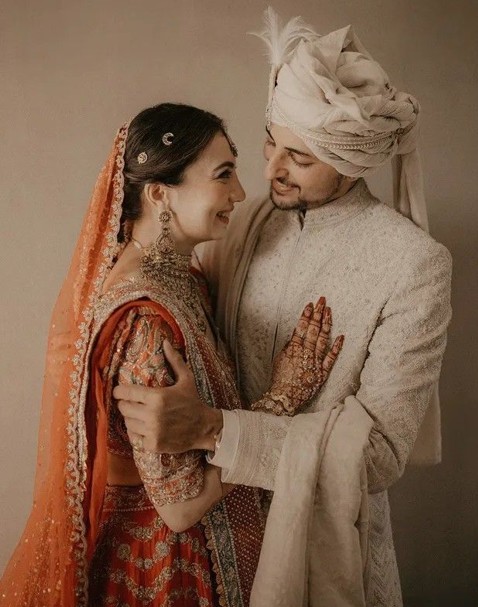
Another emerging trend is early relationship education. Elite families are increasingly preparing their children for marriage long before proposals appear, through open discussions about expectations, conflict resolution, financial responsibility, and emotional boundaries. This proactive approach ensures that marriage is not a sudden life event, but a well-understood transition.
Most importantly, arranged marriage in Dhaka’s elite society is redefining success. A “successful marriage” is no longer measured by social admiration or financial display, but by emotional safety, mutual growth, and quiet stability.
In this sense, arranged marriage has not lost relevance—it has matured. By evolving with the values of modern elite families, it continues to serve as a culturally grounded yet forward-looking pathway to lifelong partnership.
Evolved in Dhaka’s Elite Society

Other Articles

Career vs Marriage: How to Balance Both in Modern Bangladeshi Life
The Importance of Emotional Compatibility in Arranged Marriages