






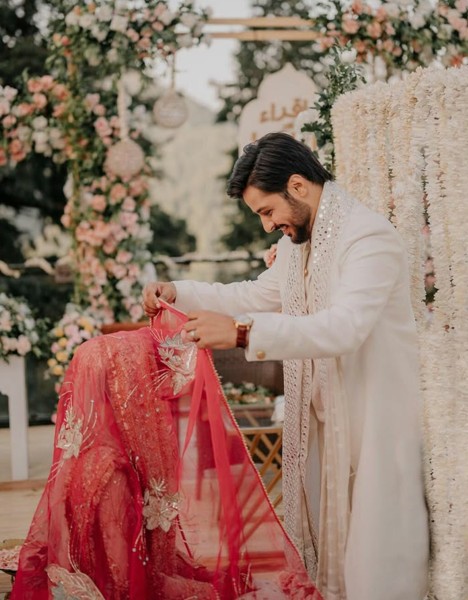

Marriage Decisions in Joint Families vs Nuclear Families
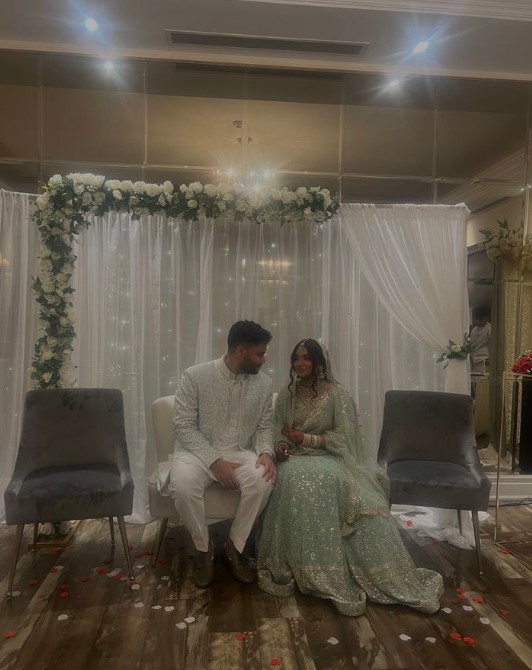
How Family Structure Shapes Choices, Conflicts, and Long-Term Compatibility
Introduction: Marriage Is Never Just Between Two People
Marriage is often described as a bond between two individuals, but in reality, it is deeply influenced by family structures, expectations, and social environments. One of the most decisive factors shaping marriage decisions—especially in South Asian societies—is whether a family follows a joint family system or a nuclear family system.
In Bangladesh and similar cultures, marriage decisions are rarely made in isolation. Parents, siblings, elders, relatives, and even extended social circles play visible or invisible roles. The difference between joint and nuclear families does not only affect who decides, but also how, when, and why those decisions are made.
Understanding the contrast between these two family systems is essential for anyone navigating modern marriage—whether they are parents seeking a suitable match, individuals preparing for marriage, or professional matchmakers handling sensitive proposals.
This article explores in depth how marriage decisions differ in joint families versus nuclear families, the advantages and challenges of each system, and how couples can make informed, balanced choices that lead to long-term marital stability.
Understanding Family Structures: Joint vs Nuclear
What Is a Joint Family?
A joint family typically consists of multiple generations living together or functioning as a closely connected unit. This may include grandparents, parents, unmarried siblings, married brothers with their spouses, children, and sometimes even extended relatives.
In joint families:
- Decisions are collective rather than individual
- Elders often hold authority
- Family reputation and unity are prioritized
- Marriage is viewed as a union of families, not just individuals
What Is a Nuclear Family?
A nuclear family usually includes parents and their children, living independently from extended relatives. Decision-making tends to be more private and autonomous.
In nuclear families:
- Parents have influence, but limited external pressure
- Individual preferences are given higher importance
- Marriage is seen as a partnership between two people
- Privacy and independence are highly valued
Neither system is inherently better or worse—but each creates a very different environment for marriage-related decisions.
How Marriage Decisions Are Made in Joint Families
Collective Decision-Making
In joint families, marriage decisions are rarely made by one or two people alone. Instead, discussions involve multiple stakeholders—parents, grandparents, uncles, aunts, and sometimes influential relatives.
This collective process ensures:
- Multiple perspectives are considered
- Family compatibility is prioritized
- Potential risks are evaluated from experience
However, it can also slow down decisions and create conflicts when opinions differ.
Strong Role of Elders
Elders often have the final say in joint families. Their life experience is respected, and their approval is considered essential.
While this can prevent impulsive decisions, it may also:
- Limit individual choice
- Suppress personal emotions
- Create silent resentment if opinions are ignored
Many marriages succeed under elder guidance, but problems arise when authority overrides compatibility.
Emphasis on Family Background
In joint families, marriage is not just about the bride and groom. Equal importance is given to:
- Family reputation
- Social standing
- Financial stability of both families
- Cultural and religious practices
Even a highly compatible match can be rejected if family backgrounds are considered misaligned.
Fear of Social Consequences
Joint families are often deeply embedded in social networks. A failed marriage or controversial match can impact the entire family’s reputation.
As a result:
- Decisions are cautious and conservative
- Non-traditional choices face resistance
- Divorce or separation is heavily discouraged
This fear can protect family honor, but sometimes at the cost of individual happiness.
How Marriage Decisions Are Made in Nuclear Families
Greater Individual Autonomy
In nuclear families, the decision-making circle is smaller. Parents may guide and advise, but the final choice often rests with the individual.
This allows:
- Emotional compatibility to take priority
- Open conversations between partners
- Faster decision-making
However, autonomy also comes with greater responsibility and risk.
Focus on Personal Compatibility
Nuclear families tend to prioritize:
- Emotional connection
- Communication style
- Shared values and goals
- Mutual respect
Family background still matters, but it is usually secondary to personal compatibility.
Reduced External Pressure
With fewer relatives involved, there is less pressure from:
- Social expectations
- Family politics
- Conflicting opinions
This can make the process emotionally easier, but it may also remove valuable guidance.
Higher Accountability on the Couple
When decisions are made independently, the couple bears full responsibility for outcomes. In case of conflict or failure:
- Support systems may be limited
- Blame cannot be shifted
- Emotional resilience becomes crucial
Key Differences in Marriage Decision Dynamics
Speed of Decision-Making
Joint families often take longer due to multiple consultations. Nuclear families usually move faster, sometimes too fast.
Risk Assessment
Joint families rely on collective experience to minimize risk. Nuclear families rely on personal judgment and intuition.
Emotional Expression
Joint family environments may discourage open emotional expression before marriage. Nuclear families allow more emotional openness and dialogue.
Conflict Resolution Before Marriage
Joint families try to eliminate potential conflicts beforehand through background checks and family compatibility. Nuclear families often address conflicts as they arise.
Advantages of Marriage Decisions in Joint Families
Strong Support System
Joint families provide built-in emotional, financial, and logistical support, especially during early marriage years.
Shared Responsibilities
Couples are not alone in handling household duties, childcare, or crises.
Cultural Continuity
Traditions, values, and customs are preserved and passed down naturally.
Stability Through Collective Accountability
With many stakeholders invested in the marriage, there is a stronger push to resolve conflicts and sustain the relationship.
Challenges of Marriage Decisions in Joint Families
Limited Personal Freedom
Individual preferences may be overridden by collective expectations.
Suppressed Emotional Compatibility
Emotional needs may be undervalued compared to practical considerations.
Power Imbalances
Newly married couples, especially brides, may struggle to assert boundaries.
Difficulty in Adapting to Modern Lifestyles
Traditional expectations can clash with modern career demands and personal aspirations.
Advantages of Marriage Decisions in Nuclear Families
Emotional Transparency
Couples can discuss expectations, fears, finances, and future plans openly.
Flexibility and Adaptability
Decisions can evolve with changing circumstances.
Clear Boundaries
Roles and responsibilities are defined within the couple, reducing interference.
Encouragement of Mutual Growth
Partners grow together without external comparisons or pressure.
Challenges of Marriage Decisions in Nuclear Families
Isolation During Conflict
Without extended family support, conflicts may feel overwhelming.
Limited Guidance
Inexperienced couples may miss red flags or underestimate challenges.
Higher Divorce Risk
Greater autonomy sometimes leads to quicker exits rather than resolution.
Financial and Emotional Pressure
Couples bear full responsibility for stability and crisis management.
Impact on Women and Men Differently
Women in Joint Families
- May face adjustment pressure
- Often expected to adapt quickly
- Limited decision-making power initially
Women in Nuclear Families
- Greater independence
- Higher expectations for emotional labor
- Balancing career and household alone
Men in Joint Families
- Supported by family authority
- Less household responsibility
- Pressure to uphold family expectations
Men in Nuclear Families
- More involved in household roles
- Higher emotional responsibility
- Direct accountability for marital success
Modern Trends: Blending Both Systems
Many families today adopt hybrid models:
- Joint decision-making with private couple discussions
- Respect for elders with emotional compatibility checks
- Family involvement without constant interference
Professional marriage media increasingly act as mediators, balancing tradition with modern needs.
Role of Professional Marriage Media
Experienced marriage media help bridge gaps between joint and nuclear family expectations by:
- Managing communication discreetly
- Protecting privacy
- Filtering compatible matches
- Guiding families through sensitive negotiations
This structured approach reduces conflict and increases long-term success.
Making the Right Choice: What Truly Matters
Regardless of family structure, successful marriage decisions depend on:
- Emotional compatibility
- Mutual respect
- Honest communication
- Shared long-term vision
- Willingness to adapt
Family systems influence the path, but the destination remains the same: a stable, respectful, and fulfilling marriage.
Structure Influences Process, Not Destiny
Joint families and nuclear families approach marriage decisions differently, each with strengths and weaknesses. One offers collective wisdom and support, the other offers autonomy and emotional clarity.
The most successful marriages are not defined by family structure alone, but by the ability to balance tradition with individuality, guidance with freedom, and stability with emotional fulfillment.
In an evolving society, understanding these dynamics is no longer optional—it is essential for making informed, thoughtful marriage decisions that stand the test of time.
Marriage Decisions in Joint Families vs Nuclear Families
Understanding Authority, Emotion, Freedom, and Responsibility in Modern Marriage Choices

Marriage is not just a personal decision—it is a family event, a social contract, and a long-term emotional investment. In South Asian societies like Bangladesh, the way marriage decisions are made is deeply influenced by family structure.
Two dominant family systems exist today:
- Joint families, where multiple generations live together or remain closely interconnected
- Nuclear families, where parents and children live independently, often with more autonomy
Each system brings its own values, pressures, benefits, and conflicts into the marriage decision-making process.
Understanding the difference between marriage decisions in joint families vs nuclear families is crucial—not to judge one as better than the other, but to make realistic, emotionally intelligent, and sustainable choices.
- What Defines a Joint Family and a Nuclear Family?
Before comparing marriage decisions, it’s important to clarify what these family structures mean in practice.
Joint Family
A joint family typically includes:
- Parents
- Married sons and daughters-in-law
- Unmarried siblings
- Sometimes grandparents, uncles, aunts
Decisions—especially marriage—are often collective.
Nuclear Family
A nuclear family usually includes:
- Parents
- Unmarried children
Marriage decisions tend to be individual-centric, though parents still play a role.
These structural differences shape authority, communication, expectations, and emotional dynamics.
- Authority in Marriage Decisions: Collective vs Individual
Joint Families: Collective Authority
In joint families:
- Elders often hold decision-making power
- Marriage is seen as a union of families, not just individuals
- Elders feel responsible for preserving tradition and reputation
Common outcomes:
- Partner selection guided heavily by parents
- Individual preferences may be secondary
- Decisions are slower but more deliberate
Nuclear Families: Individual Authority
In nuclear families:
- Individuals usually have greater autonomy
- Parents act as advisors rather than decision-makers
- Emotional compatibility often outweighs social criteria
Common outcomes:
- Faster decisions
- Greater personal satisfaction
- Higher emotional risk if family alignment is weak
- Emotional Security vs Emotional Freedom
Joint Families Offer Emotional Security
- Shared responsibility
- Collective problem-solving
- Built-in support system after marriage
But:
- Emotional expression may be restricted
- Personal struggles are often public
- Privacy is limited
Nuclear Families Offer Emotional Freedom
- Space for personal growth
- Privacy in decision-making
- Easier emotional communication
But:
- Less backup during crises
- Greater pressure on the couple
- Emotional isolation can occur
Marriage decisions often reflect which of these a person values more: security or freedom.
- Compatibility: Individual vs Systemic
In Joint Families
Compatibility is assessed on:
- Family background
- Social status
- Cultural alignment
- Reputation
- Ability to adjust
The question becomes:
“Will this person fit into our family system?”
In Nuclear Families
Compatibility focuses on:
- Personality
- Emotional maturity
- Communication style
- Career alignment
The question becomes:
“Can we build a life together?”
Neither approach is wrong—but ignoring the systemic reality often leads to conflict after marriage.
- Marriage as a Social Contract vs Personal Partnership
Joint Family Perspective
Marriage is:
- A social responsibility
- A continuation of lineage
- A collective reputation issue
This leads to:
- Careful background checks
- Emphasis on tradition
- Risk-averse decision-making
Nuclear Family Perspective
Marriage is:
- A personal partnership
- A source of emotional fulfillment
- A private commitment
This leads to:
- Openness to unconventional matches
- Greater tolerance for difference
- Higher expectations from the partner
- Role of Parents: Guardians vs Guides
In Joint Families
Parents are:
- Primary decision-makers
- Protectors of tradition
- Authority figures
Children may feel:
- Safe but constrained
- Obligated rather than excited
In Nuclear Families
Parents are:
- Advisors
- Emotional supporters
- Secondary decision-makers
Children may feel:
- Empowered
- Anxious about making the “right” choice alone
Healthy marriages often require balance, not extremes.
- Gender Dynamics in Marriage Decisions
Joint Families
- Women are often expected to adapt
- Men’s preferences may carry more weight
- Gender roles are more clearly defined
This can create:
- Stability
- But also silent dissatisfaction
Nuclear Families
- Gender roles are more flexible
- Mutual decision-making is encouraged
- Women often have greater agency
But:
- Role ambiguity can create conflict
- Family resistance may arise
Marriage decisions are deeply affected by how gender expectations are managed.
- Conflict Management Before Marriage
Joint Families
Conflicts are:
- Discussed collectively
- Mediated by elders
- Often resolved through compromise
Downside:
- Individual feelings may be ignored
- Power imbalance can silence voices
Nuclear Families
Conflicts are:
- Handled privately
- Emotion-driven
- Less filtered
Downside:
- Escalation without mediation
- Emotional exhaustion
Marriage decisions benefit when conflict style compatibility is evaluated early.
- Financial Considerations
Joint Families
- Finances may be shared
- Marriage expenses distributed
- Long-term security prioritized
But:
- Financial independence may be limited
- Expectations around contribution can cause stress
Nuclear Families
- Financial independence is emphasized
- Couples plan jointly
- Clear boundaries
But:
- Financial pressure falls on fewer shoulders
- Risk is higher
Money often becomes a silent influence in marriage decisions.
- Privacy and Personal Space
Joint Families
- Limited privacy
- Decisions observed by many
- Social accountability is high
This encourages:
- Responsible behavior
- But also emotional suppression
Nuclear Families
- High privacy
- Personal choices respected
- Emotional openness
But:
- Fewer external checks
- Mistakes are personal, not shared
Marriage readiness depends heavily on one’s tolerance for observation vs isolation.
- Divorce, Separation, and Second Marriages
Joint Families
- Divorce is often discouraged
- Family reputation is a major concern
- Second marriages are sensitive
This may:
- Save some marriages
- Trap others in silence
Nuclear Families
- Divorce is viewed more pragmatically
- Emotional well-being prioritized
- Second marriages more accepted
But:
- Decisions may be impulsive
- Family healing may be incomplete
Marriage decisions must consider exit scenarios realistically, not emotionally.
- Inter-Cultural and Inter-Class Marriages
Joint Families
- Resistance is common
- Long negotiation required
- Acceptance may take years
Nuclear Families
- Greater openness
- Faster acceptance
- Individual happiness prioritized
However, without family alignment, long-term stress may emerge.
- Role of Marriage Media and Matchmakers
Modern matchmaking services play different roles depending on family structure.
For Joint Families
- Act as mediators
- Balance tradition with reality
- Protect family dignity
For Nuclear Families
- Provide guidance
- Offer compatibility insight
- Reduce emotional confusion
Premium marriage media bridges the gap between individual desire and family reality.
- Common Mistakes in Both Systems
Joint Family Mistakes
- Ignoring individual emotional needs
- Prioritizing society over compatibility
- Silencing dissent
Nuclear Family Mistakes
- Ignoring family influence
- Overestimating independence
- Underestimating adjustment challenges
Most marriage failures come from extremes, not systems.
- The Middle Path: Evolving Family Dynamics
Modern families increasingly adopt hybrid models:
- Emotional autonomy with family involvement
- Personal choice with parental guidance
- Privacy with accountability
This balanced approach often leads to the healthiest marriage decisions.
- How Urbanization Has Changed Marriage Decisions
Cities like Dhaka, especially areas such as Gulshan, Banani, and Baridhara, have reshaped family structures.
- Joint families are becoming smaller
- Nuclear families remain emotionally connected
- Marriage decisions now involve negotiation, not orders
This evolution requires new emotional skills, not rebellion.
- Emotional Maturity Matters More Than Family Type
Ultimately, marriage success depends less on family structure and more on:
- Emotional intelligence
- Communication ability
- Boundary management
- Respect for differences
A mature couple can thrive in either system.
- Questions Every Marriage Seeker Should Ask
Before deciding, ask:
- How much family involvement can I handle?
- How much independence do I need?
- Can I adapt without resentment?
- Can my partner balance loyalty and autonomy?
These questions matter more than labels.
- What Families Must Understand Today
Families—joint or nuclear—must realize:
- Marriage is changing
- Control without empathy fails
- Freedom without responsibility collapses
Respecting emotional realities strengthens family bonds.
- Final Conclusion: Not Joint vs Nuclear, But Conscious vs Unconscious Decisions
The debate is not about joint families vs nuclear families.
It is about:
- Conscious decisions vs inherited patterns
- Dialogue vs assumptions
- Balance vs extremes
A successful marriage decision honors:
- Individual happiness
- Family harmony
- Social reality
- Emotional truth
When families and individuals work together—not against each other—marriage becomes not a battlefield, but a shared beginning.

Other Articles

Career vs Marriage: How to Balance Both in Modern Bangladeshi Life