








Marriage Guide for Bangladeshis Living in the UK
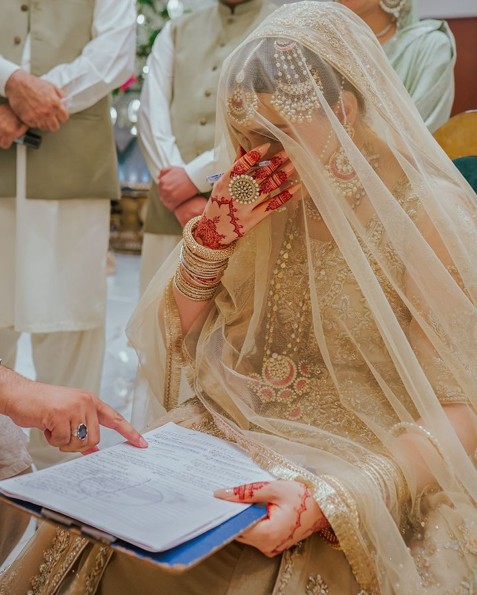
Introduction: The Meaning of Marriage in the Diaspora
Marriage has always been one of the most sacred and celebrated institutions in Bangladeshi culture. It’s not just about two individuals coming together—it’s about uniting two families, traditions, and generations. For Bangladeshis living abroad, especially in the UK, marriage takes on a deeper meaning. It represents identity, continuity, and the preservation of values in a multicultural environment.
However, for Bangladeshis living in the UK, finding the right partner and managing the expectations of both modern life and traditional culture can be complicated. Between cultural differences, legal processes, and family involvement, marriage can feel like navigating two worlds at once.
This comprehensive Marriage Guide for Bangladeshis living in the UK explores everything—from how to find a suitable match to understanding the legal, cultural, and emotional dimensions of marriage in the diaspora.
- Understanding the Bangladeshi Community in the UK
The Bangladeshi community in the UK is one of the most established and vibrant South Asian communities. Over 600,000 Bangladeshis live across England, Scotland, and Wales—mainly concentrated in London (especially Tower Hamlets, Camden, and Newham), Birmingham, Manchester, and Luton.
Despite being well integrated into British society, many Bangladeshis still hold strong ties to their roots. Family values, religion, and community identity continue to shape how relationships and marriages are approached.
In most cases, Bangladeshi families in the UK prefer:
- A partner who shares similar family backgrounds, faith, and values.
- Marriages that balance tradition with modern expectations.
- Matches that consider both emotional compatibility and family harmony.
So, whether you are born in the UK or moved there recently, understanding this social dynamic is essential before making any marriage decision.
- The Cultural Balance: Tradition vs. Modern Life
For many British-born Bangladeshis, marriage is not just a family event but also a personal choice. However, parents and older relatives often emphasize traditional expectations—such as matching family background, religious observance, and social status.
This creates an emotional challenge: how to balance personal preference with cultural duty.
Common Scenarios:
- Parents in Bangladesh, You in the UK:
You might receive marriage proposals directly from relatives back home. The family expects you to agree out of respect, even if you haven’t met the person properly. - You Want to Marry Someone from a Different Background:
Perhaps you met someone of Bangladeshi origin but raised in a different way—or someone of a different ethnicity entirely. Convincing family members becomes the main challenge. - You Want to Choose Your Own Match—but Still Respect Traditions:
Many young professionals in the UK want to meet someone compatible emotionally, intellectually, and spiritually. They prefer introductions through trusted marriage media services that maintain cultural sensitivity.
The Key Is Balance:
The best way to handle this is open communication. Explain your views respectfully, involve family early, and focus on shared goals—like faith, future plans, and family stability.
- Where to Find the Right Match
Finding the right partner can be one of the toughest parts of marriage for Bangladeshis in the UK. Fortunately, there are now several reliable ways to connect with suitable matches.
- Family Introductions
Traditional, family-arranged introductions remain very common. Parents and relatives back home often coordinate matches based on shared values and networks.
Pros: Family trust, cultural compatibility.
Cons: Limited choices, pressure to accept without full compatibility.
- Community and Mosque Networks
Local community centers and mosques often serve as meeting points for families seeking marriage partners.
Pros: Safe, faith-based environment.
Cons: Options may be limited to local circles only.
- Modern Marriage Media and Matchmaking Services
Services like Gulshan Marriage Media have become a game-changer for Bangladeshis living abroad. These platforms:
- Maintain strict confidentiality
- Offer verified profiles from educated and professional families
- Facilitate direct family communication
- Help with cross-border matchmaking (UK-Bangladesh matches)
Such services combine the trust of traditional methods with the convenience of modern technology—allowing you to find compatible partners within your community, both in the UK and back home.
- Online Matrimony Sites (with Caution)
Platforms like Shaadi.com or Muslima.com offer access to a wider pool of people. However, be cautious about authenticity and cultural alignment. Many profiles may not match the Bangladeshi family system expectations.
Always verify background, education, and family details before proceeding.
- Legal Requirements for Marriage in the UK
Before planning your wedding, you must understand the legal process of getting married in the UK.
Step 1: Notice of Marriage
Both individuals must give notice at their local register office at least 28 days before the marriage.
You’ll need:
- Proof of identity (passport or residence card)
- Proof of address
- Details of your future spouse
- Valid visa (if applicable)
Step 2: Venue and Registration
Marriages can take place in:
- A register office
- An approved religious venue (like a mosque licensed for marriages)
- Any approved civil venue
Step 3: Islamic Nikah
For Muslims, the Nikah ceremony is a religious requirement. However, note that an Islamic Nikah alone is not legally recognized in the UK.
To make it legally valid, you must:
- Register the marriage at a civil ceremony, OR
- Ensure the mosque is licensed for official marriages.
Step 4: Marrying Someone from Bangladesh
If your partner is based in Bangladesh, you’ll need to navigate UK immigration laws:
- Apply for a Fiancé(e) visa or Spouse visa.
- Provide proof of relationship, financial requirements, and English language ability.
- After marriage, apply for leave to remain.
This process can take months—so plan ahead.
- Key Challenges for Bangladeshi Couples in the UK
- Cultural Expectations
One of the biggest issues is managing cultural expectations—especially between UK-born individuals and those raised in Bangladesh.
- Family Involvement
Family approval is still vital in Bangladeshi culture. When parents live abroad or back home, communication gaps often cause tension.
- Identity and Faith
Young couples sometimes struggle to balance modern British lifestyles with traditional religious and cultural norms.
- Immigration and Legal Delays
When one partner is from Bangladesh, visa processes can be emotionally and financially draining.
- Social Pressure
The Bangladeshi community is tightly knit. Gossip or judgment about who you marry can cause additional stress.
- Tips for a Successful Marriage in the UK
- Communication is Key
Open, honest, and respectful dialogue solves most problems. Avoid assumptions. Discuss expectations about family, faith, and finances early on.
- Understand Each Other’s Backgrounds
If you grew up in different countries, take time to understand your spouse’s values and lifestyle. Don’t compare—learn and adapt.
- Set Shared Goals
Talk about your future—career, children, location, and lifestyle. Alignment here can prevent many conflicts later.
- Respect Privacy and Boundaries
Avoid involving outsiders or relatives in every disagreement. Privacy strengthens trust.
- Maintain Religious and Cultural Identity
Attend mosque together, celebrate cultural festivals, and teach your children about Bangladeshi heritage.
- Seek Professional Guidance if Needed
If issues arise, don’t hesitate to seek help from a Muslim marriage counselor or community advisor.
- The Role of Matchmaking Services for UK Bangladeshis
In today’s digital age, matchmaking services are becoming the most reliable option for the Bangladeshi diaspora.
Gulshan Marriage Media, for example, offers specialized services for:
- UK-based Bangladeshis seeking compatible partners
- Cross-country marriages (UK & Bangladesh connections)
- Educated professionals and religiously minded families
Why Use a Professional Marriage Media Service?
✅ Verified profiles with background checks
✅ Privacy and confidentiality assured
✅ Cultural understanding of both UK and Bangladeshi lifestyles
✅ Smooth family communication and coordination
✅ Legal guidance for cross-border marriages
These services bridge the gap between traditional matchmaking and modern expectations—making the process both secure and culturally respectful.
- How to Introduce Your Partner to Family
Introducing your chosen partner to your family can be a sensitive moment—especially if the relationship developed independently.
Here are some tips to make it easier:
- Prepare the Groundwork:
Talk to one or two family members you trust first. Explain why this person is right for you. - Highlight Shared Values:
Focus on qualities your family values—faith, education, and character. - Involve Elders Respectfully:
Even if your decision is made, show respect for your elders’ blessings. - Bridge the Gap:
If your partner is from a different background or country, arrange a virtual meeting or visit to build connection.
- Managing Long-Distance Relationships
For many UK Bangladeshis, one partner may still live in Bangladesh. This creates emotional and logistical challenges.
Tips for Success:
- Stay consistent in communication (video calls, texts, shared activities).
- Plan visits regularly if possible.
- Be transparent about visa progress and family involvement.
- Set a timeline for when you’ll start living together.
Distance doesn’t have to weaken a relationship if both are committed to patience, trust, and shared goals.
- Financial Planning for Married Life
Marriage also comes with financial responsibilities. Whether you live in London or Leeds, planning together can reduce future stress.
Financial Tips:
- Discuss savings and spending habits early.
- Plan wedding costs realistically—avoid going into debt.
- Open a joint savings account for future goals.
- Discuss financial responsibilities toward family in Bangladesh.
- Understand UK tax benefits and joint financial rights as a married couple.
- Raising a Family with Cultural Balance
Many Bangladeshi parents in the UK face the challenge of raising children with both British and Bangladeshi values.
To achieve this balance:
- Speak Bangla at home.
- Teach Islamic or cultural values through example.
- Encourage respect for elders and family bonds.
- Celebrate both Eid and British holidays mindfully.
Your children’s identity will be stronger when they understand their roots and their rights as global citizens.
- Common Mistakes to Avoid
- Rushing Marriage Decisions — Don’t agree to marry just to satisfy family or community expectations.
- Ignoring Compatibility — Shared education or religion isn’t enough; emotional and mental compatibility matters too.
- Hiding Facts — Be honest about your background, career, and past. Trust begins with truth.
- Neglecting Legal Formalities — Always register your marriage to ensure your rights.
- Relying Solely on Online Platforms — Avoid unverified matches. Always verify with family or trusted sources.
- The Emotional Side of Marriage Abroad
Living abroad can be isolating, especially when extended family support is limited. It’s important for couples to:
- Build their own support system.
- Join local Bangladeshi communities.
- Spend quality time together.
- Practice gratitude and patience.
Emotional maturity often defines whether a marriage thrives or struggles.
- Conclusion: Building a Meaningful Life Together in the UK
Marriage among Bangladeshis in the UK is a beautiful fusion of two worlds—where tradition meets modern life, and love meets responsibility.
Whether you meet through family, friends, or trusted services like Gulshan Marriage Media, the goal remains the same: a happy, respectful, and lasting union built on trust and shared values.
The journey isn’t always simple. But with the right approach—clear communication, legal awareness, cultural respect, and emotional maturity—Bangladeshi couples in the UK can build not just a marriage, but a true partnership for life.
Remember, a successful marriage isn’t about where you live—it’s about how you live together.
Marriage Guide for Bangladeshis Living in the UK
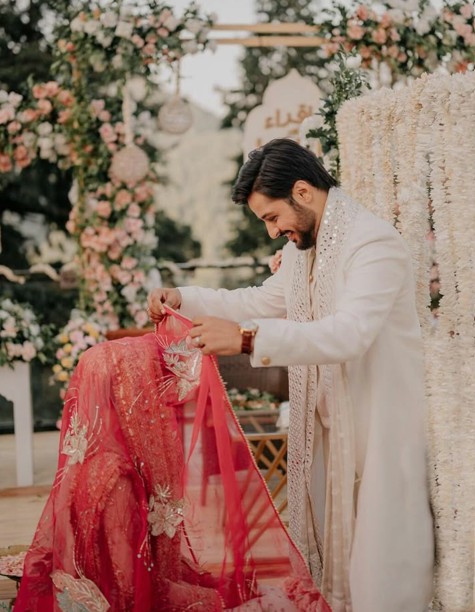
Navigating Nuptials: Your Essential Marriage Guide for Bangladeshis Living in the UK
Marriage is a monumental step, a beautiful melding of two souls, two families, and often, two cultures. For Bangladeshis living in the UK, this journey is particularly rich, woven with the vibrant threads of South Asian tradition and the distinct legal and social fabric of British life. It’s a process that demands respect for both heritage and local law, ensuring your union is not only culturally meaningful but also legally sound.
This comprehensive guide is designed to walk you through the entire process, from the initial cultural courtship to the final legal and immigration requirements, providing you with the essential knowledge to plan your perfect cross-cultural wedding and life together.
The Cultural Crossroads: Arranged vs. Love Marriages
The UK-based Bangladeshi community, predominantly tracing roots back to the Sylhet region, has seen an evolution in marriage practices. While arranged marriages remain highly prevalent and deeply respected, love marriages (often between British Bangladeshis) and transnational marriages (with a spouse from Bangladesh) are increasingly common.
- The Traditional Path: Arranged Marriage (Rishta)
The traditional method of finding a partner, or rishta, is a communal effort.
- Family and Network: Families rely heavily on their extended network, both within the UK and back in Bangladesh. “Rishta Aunties”—professional or informal matchmakers—play a significant role in connecting families.
- Prioritising Compatibility: The search often focuses on shared background, religious values, family reputation, and socioeconomic status. It’s less about individual romantic compatibility and more about social and familial harmony.
- Modern Platforms: Modern platforms and matrimonial websites, specifically catering to the Bangladeshi diaspora in the UK, have digitised this search, allowing individuals and families to find culturally-aligned matches while leveraging the convenience of online search tools.
- The Modern Dynamic: Love and Self-Choice
The younger, second and third-generation British Bangladeshis are increasingly choosing their own partners.
- Self-Selection: These marriages prioritise emotional connection, shared interests, and individual compatibility.
- Blending Worlds: Even in self-chosen marriages, parental blessing (shommoti) and familial inclusion remain crucial. The challenge is often balancing personal choice with the expectation of marrying within the community, faith, and socio-economic bracket.
- Transnational Considerations: Love marriages might still involve a non-UK-based partner, which adds a significant layer of immigration complexity.
- Understanding the Law: Arranged vs. Forced Marriage
It is critical to understand the distinction between an arranged marriage and a forced marriage in the UK.
- Arranged Marriage: Both individuals and their families consent to the union, with the partners retaining the right to say no. It’s a process facilitated by families.
- Forced Marriage: One or both individuals do not consent to the marriage and are being pressured through coercion, threats, or abuse. Forced marriage is a serious crime in the UK. Anyone facing this issue must seek help immediately from the Forced Marriage Unit (FMU).
The Legal Foundation: Marrying in the UK
Regardless of cultural background, every marriage in the UK must comply with British law to be legally recognised.
- Giving Notice of Marriage
- The First Step: You must give notice of your intention to marry at a local register office. This must be done at least 29 days before the wedding.
- Immigration Implications: If one or both partners are non-British/Irish citizens and do not have Indefinite Leave to Remain (ILR) or settled/pre-settled status, you will both need to give notice together at a designated register office. The Home Office will then be informed, and the notice period may be extended to 70 days for further investigation into the genuineness of the relationship.
- Essential Documentation
You will need to provide specific documents to the register office, which typically include:
- Proof of Identity and Nationality: Valid passports.
- Proof of Address: Utility bills, bank statements, or Council Tax bills.
- Proof of Ending a Previous Marriage (if applicable): Decree Absolute or a death certificate.
- Immigration Status Evidence: Visa, Biometric Residence Permit (BRP), or proof of settled status.
- The Ceremony: UK Civil and Religious Marriage
Most Bangladeshi marriages involve two distinct ceremonies to ensure both legal and religious validity:
- The Civil Ceremony: This is the legal requirement in the UK. It takes place at a register office or an approved venue and is conducted by a registrar. It is the ceremony that creates a legally binding marriage certificate.
- The Islamic Ceremony (Nikah): This is the religious requirement. It is typically conducted by an Imam and is central to the community’s tradition. It is crucial to note that a Nikah ceremony on its own is not legally binding in the UK. Many couples choose to hold the Nikah as part of the civil ceremony or have a separate Nikah and then sign the civil register.
- The Hindu Ceremony: For the minority Hindu Bangladeshi community, a wedding ceremony conducted by a priest can be legally binding if the venue is licensed for civil marriages. Otherwise, a separate civil ceremony is required.
The Wedding Extravaganza: Traditional and Adapted Ceremonies
Bangladeshi weddings are famous for their elaborate, multi-day celebrations. While the UK context often leads to consolidation of events, the key rituals are beautifully preserved.
Pre-Wedding Rituals
- Engagement (Paka Kotha or Sini Paan): A formal agreement between families, often involving an exchange of rings, sweets, and gifts.
- Gaye Holud (Turmeric Ceremony) : A joyful, colourful event where family and friends apply a paste of turmeric (holud) to the bride and groom at their respective homes (or separate venues). This is often a standalone, major event in the UK, characterised by festive decorations, traditional songs, and distinct green and yellow attire.
- Mehndi Ceremony: Often combined with the Gaye Holud, this is where the bride’s hands and feet are decorated with intricate henna designs.
The Main Wedding Day (Biya or Bie):
- Bor Boron (Welcoming the Groom): The groom arrives at the venue with his party (Bor Jatri) and is formally welcomed by the bride’s family with gifts, blessings, and playful resistance from the bride’s siblings.
- Mala Bodol (Garland Exchange): The bride and groom exchange garlands, often playfully hoisted up by friends to make the exchange challenging.
- Nikah/Wedding Ceremony: The central ceremony, religious or civil, or both, where the marriage contract is formally completed.
Post-Wedding Rituals
- Biday (Farewell): The emotional moment where the bride bids farewell to her family and departs with the groom.
- Badhu Boron (Welcoming the Bride): The groom’s family formally welcomes the new bride to their home with blessings and a small ceremony.
- Bou Bhaat (Bride’s Feast): Hosted by the groom’s family, this is the final, grand reception, officially introducing the bride to the wider community and family network. In the UK, this is often combined with the main wedding day reception (Walima).
The Practicalities: Finance, Accommodation, and Immigration
The most complex area for Bangladeshis marrying a non-UK resident is the UK Spouse Visa application, which is subject to stringent Home Office requirements.
- UK Spouse Visa Requirements
To sponsor a partner from outside the UK, the UK-based spouse (the sponsor) must meet specific, non-negotiable criteria:
- Relationship Requirement: The relationship must be genuine and subsisting (i.e., real and continuing). The Home Office will scrutinise evidence like shared financial documents, joint correspondence, photos, and communication logs.
- Financial Requirement: The sponsor must demonstrate a minimum gross annual income. This threshold is subject to change, so you must check the official GOV.UK website for the current amount (as of early 2024, this is increasing from £18,600 to £29,000). The income can be demonstrated through employment, self-employment, pensions, or sufficient savings.
- Accommodation Requirement: There must be suitable accommodation for the couple in the UK, without overcrowding.
- English Language Requirement: The non-UK applicant must pass an approved English language test at a minimum level of A1 (for the initial application) or demonstrate a degree taught in English.
- Financial Planning
Bangladeshi weddings are often substantial events, and combining this with the financial stress of meeting visa requirements necessitates careful planning.
- Budgeting for the Wedding: Be realistic about the costs of multi-day events, venues, catering (often requiring specialist Halal Bangladeshi cuisine), and traditional clothing.
- Financial Documentation: Meticulously keep all necessary documents to prove the financial requirement for the visa, including bank statements, payslips, and employment letters.
Conclusion: A Journey of Two Worlds
Marriage for a Bangladeshi in the UK is a remarkable journey that celebrates a profound cultural heritage while honouring the laws and lifestyle of a new home. By carefully navigating the legal landscape and embracing the blend of tradition and modernity, you can ensure your union is a joyful, secure, and legally recognised partnership, setting the stage for a wonderful life together in the UK.
Remember: For all legal and immigration matters, always consult the official GOV.UK website and consider seeking advice from a qualified immigration solicitor.
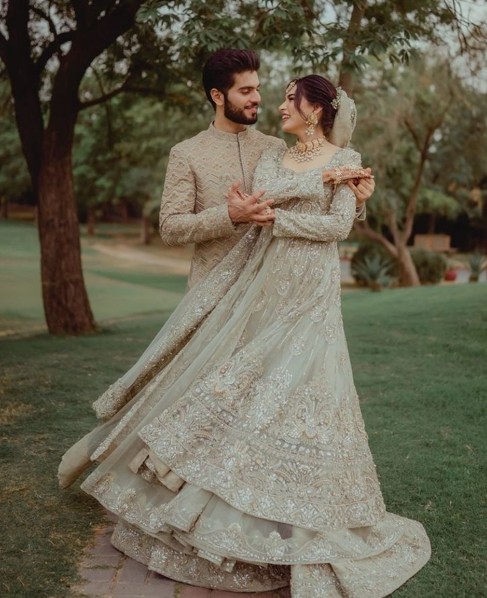
Final Thought
For Bangladeshis in the UK who are searching for the right life partner, combining heritage with heart is the secret to success. Stay true to your values, choose wisely, and never compromise on respect and trust.
And if you’re looking for a secure, culturally aware matchmaking experience, Gulshan Marriage Media can help guide your journey—with privacy, professionalism, and personal care



Thank you for your sharing. I am worried that I lack creative ideas. It is your article that makes me full of hope. Thank you. But, I have a question, can you help me?