







How Do You Know If You Are Seeing Red Flags?

Introduction
How Do You Know If You Are Seeing Red Flags?We’ve all heard the phrase “red flags” tossed around—especially in conversations about relationships and personal well-being. But what are red flags, really? Why are they so important to recognize? And perhaps most importantly, how do you know when you’re seeing them?
In this blog post, we’ll explore the concept of red flags in depth—what they are, how to identify them, and why ignoring them can come at a great personal cost. Whether in romantic relationships, friendships, work environments, or even within ourselves, red flags are early warning signs that something may be wrong. Recognizing them is a crucial part of maintaining mental health, emotional stability, and a balanced life.
What Are Red Flags?
Red flags are warning signals—either behaviors, actions, patterns, or attitudes—that suggest potential problems or toxicity in a person or situation. They’re the psychological or emotional “check engine” lights telling you that, while everything might seem okay now, there could be trouble down the road.
In essence, red flags are signs that:
- Your boundaries may be violated.
- Your well-being may be compromised.
- Trust may be broken.
- You may be manipulated, abused, or neglected.
But red flags aren’t always bright, flashing signs. Often, they’re subtle. And many times, we ignore them because we want to believe the best in someone or because we’re afraid of conflict or change.
Why Are Red Flags Often Ignored?
Before diving into the signs, it’s essential to understand why people often fail to acknowledge red flags:
- Hope for Change
Many people stay in toxic situations or relationships hoping that the other person will change. Hope is powerful, but it can be misleading.
- Fear of Being Alone
Loneliness can make people rationalize unacceptable behavior. “At least I’m not alone” becomes a justification.
- Low Self-Esteem
People with poor self-worth may believe they don’t deserve better, or they may normalize mistreatment.
- Normalization from Past Experiences
If someone grew up in an environment where dysfunction was the norm, they might not recognize red flags because they’ve been conditioned to accept them.
- Gaslighting
Sometimes red flags are ignored because the person showing them actively manipulates the victim into doubting their perceptions, causing confusion and self-blame.
Common Red Flags in Romantic Relationships
Romantic relationships are perhaps the most common place where red flags are discussed. Here are some of the most frequently encountered warning signs:
- Love Bombing
If someone showers you with excessive praise, gifts, or attention early on, it might seem flattering. But if it’s disproportionate and rapid, it could be a tactic to gain control.
- Controlling Behavior
Red flags appear when one partner wants to monitor or control the other’s whereabouts, friendships, clothing, or decisions.
- Lack of Communication
Consistent avoidance of emotional discussions, or using silence as a weapon, is a major red flag.
- Blame Shifting
They never take responsibility. Every issue is somehow your fault—even when it clearly isn’t.
- Disrespect
This could be toward you or others—especially service workers, family, or ex-partners. Disrespect is an indicator of deeper character flaws.
- Jealousy and Possessiveness
A little jealousy is normal, but extreme possessiveness is a sign of insecurity and a need for control.
- Gaslighting
Denying things they’ve said or done, or twisting your words to make you feel “crazy,” is a manipulation tactic.
- History of Dishonesty
Lying—big or small—is a huge red flag, especially if it’s a pattern.
- Lack of Empathy
If they show little understanding or compassion for your feelings, that’s a warning sign.
- Disregard for Boundaries
Whether it’s emotional, physical, or digital boundaries, repeated violation is never okay.
Red Flags in Friendships
Not all red flags are romantic. Toxic friendships can be just as harmful. Here are some signs to watch for:
- One-Sided Effort
You’re always the one reaching out, making plans, or providing support.
- Constant Criticism or “Jokes” at Your Expense
If your friend often mocks or belittles you under the guise of humor, it’s not just harmless fun.
- Jealousy or Competitiveness
Instead of celebrating your wins, they become envious or distant.
- Inconsistent Loyalty
They’re your best friend one day and ghost you the next—or worse, they gossip about you behind your back.
- Lack of Emotional Availability
They expect you to listen and be there, but disappear when you need support.
Red Flags at Work
Toxic work environments are often built on the same red-flag foundations as unhealthy relationships.
- Micromanagement
This shows a lack of trust and can stifle your growth.
- Unrealistic Expectations
Constant pressure to perform without adequate resources or time is unsustainable.
- No Work-Life Balance
If your job demands 24/7 availability, that’s not commitment—it’s exploitation.
- Bullying or Harassment
Whether subtle or overt, mistreatment in the workplace should never be tolerated.
- Lack of Transparency
If leaders or management withhold information or lie to staff, it erodes trust.
Internal Red Flags: When the Problem Is Within
Sometimes the red flags aren’t from other people—they come from ourselves. These can be harder to acknowledge but are equally important.
- Constantly Justifying Bad Behavior
If you’re always making excuses for someone’s mistreatment of you, that’s a red flag within.
- Ignoring Gut Feelings
That “off” feeling? That discomfort? It often signals something important.
- Over-Accommodating Others
If you’re always prioritizing others at the expense of your own well-being, it might be rooted in codependency.
- Fear of Confrontation
Avoiding necessary conversations to “keep the peace” often leads to long-term unhappiness.
How to Spot Red Flags Early
Identifying red flags early requires self-awareness, emotional intelligence, and the courage to face discomfort. Here are ways to do it:
- Listen to Your Body
Your body often knows something’s wrong before your mind does—tightness in the chest, a sick stomach, anxiety when around someone.
- Pay Attention to Patterns
Anyone can have a bad day. Red flags emerge from repeated behaviors over time.
- Set Boundaries and Watch Reactions
How someone responds to your boundaries reveals their respect for you.
- Observe How They Treat Others
People who are rude to waitstaff, disrespectful to their parents, or cruel to animals often have deeper issues.
- Take Time
Time reveals everything. Don’t rush relationships—whether personal or professional.
How to Respond When You Notice Red Flags
Noticing red flags is only half the battle. Acting on them is where change happens.
- Acknowledge Them Honestly
Denial only delays the inevitable. Admit that something feels off.
- Talk About It (If Safe to Do So)
Sometimes, raising your concerns can lead to change—if the other person is emotionally mature and open.
- Set Firm Boundaries
Make your expectations and limits clear—and stick to them.
- Distance or Detach
If the behavior doesn’t change or gets worse, it’s okay to walk away.
- Seek Support
Talk to a trusted friend, therapist, or coach. You’re not alone.
Why Trusting Your Instincts Is Crucial
Your intuition is a powerful tool. It’s built on subtle cues your conscious brain may not pick up. When something feels wrong—even if you can’t explain it—trust that feeling.
Overriding your gut out of politeness, hope, or fear can lead to deeper entanglements that are harder to escape. Many people who’ve left toxic relationships or environments say the same thing: “I saw the red flags early on. I just didn’t listen.”
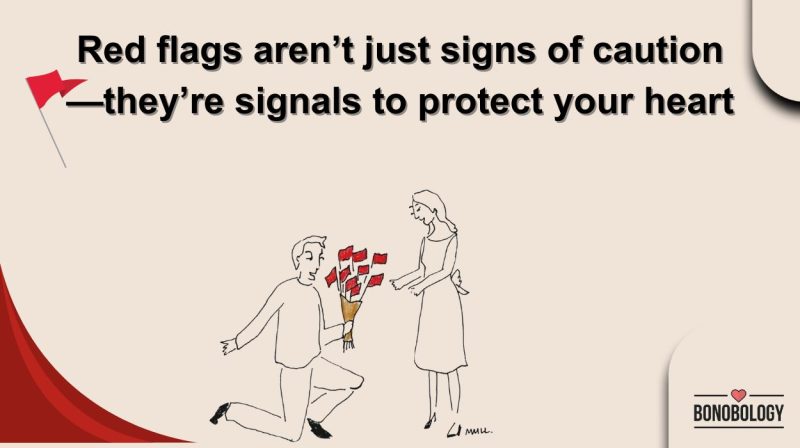
When Red Flags Are Not Deal-Breakers
Not every red flag means you have to cut ties. The key difference lies in whether the other person is:
- Aware of the issue
- Willing to work on it
- Actively making changes
For example, someone might struggle with emotional expression (a potential red flag), but if they’re open about it and working on improving, that’s a green flag in itself.
Red Flags in Family Dynamics
Not all red flags come from romantic partners or workplaces. Sometimes, they’re embedded in our family systems—those we grew up with and sometimes still live within. Toxic familial relationships are particularly difficult to navigate because they’re rooted in long-standing patterns and deep emotional bonds.
1. Guilt-Tripping and Manipulation
A parent or sibling may use guilt as a weapon to control your decisions or keep you from asserting your independence. Statements like “After all I’ve done for you…” are emotionally manipulative, especially when used to make you feel bad for setting boundaries.
2. Lack of Respect for Boundaries
Family members might feel entitled to your time, space, or information simply because you’re related. If your boundaries are constantly dismissed, it’s a serious red flag.
3. Favoritism and Comparison
Some families repeatedly compare siblings or relatives, often praising one while belittling another. This fosters resentment and low self-esteem.
4. Emotional Neglect
Parents or guardians who never validate your feelings, who dismiss your experiences as “dramatic” or “childish,” can leave long-term emotional scars.
5. Conditional Love
When love, approval, or support is only given if you behave a certain way or meet specific expectations, it’s not truly love—it’s control.
What Can You Do?
- Set boundaries and enforce them with consistency.
- Limit contact if necessary, especially with toxic individuals.
- Seek therapy to unlearn toxic family dynamics and re-parent yourself emotionally.
The Psychology Behind Red Flags
Understanding the psychological mechanisms that cause red flags to manifest—and why we sometimes tolerate them—is crucial for healing and growth.
1. Attachment Styles
Your attachment style, developed in childhood, affects how you interpret and respond to red flags:
- Anxious attachment may lead you to cling to unhealthy relationships, fearing abandonment even when treated poorly.
- Avoidant attachment might make you dismiss red flags or suppress your own discomfort, believing it’s safer not to feel.
- Secure attachment allows for a balanced, healthy response to emotional warning signs.
2. Trauma Bonding
In abusive relationships, the brain can become chemically attached to the cycle of abuse and reward. This is known as trauma bonding. The intermittent reinforcement of affection and cruelty creates a powerful emotional addiction, making it hard to leave even when red flags are evident.
3. Cognitive Dissonance
When we’re confronted with information that contradicts what we want to believe—like seeing red flags in someone we love—we experience discomfort known as cognitive dissonance. To resolve it, we often rationalize or downplay the red flags rather than change our beliefs.
4. Fear of Conflict
Many people have been socialized to avoid conflict at all costs. This fear can cause someone to ignore or excuse red flags to keep the peace.
5. Over-Identification
Sometimes, especially in relationships, people merge their identity with the other person’s. They can’t see red flags because their self-worth is wrapped up in keeping the relationship intact.
Red Flags in Online and Digital Communication
In today’s digital age, many of our interactions begin—or entirely exist—online. Whether it’s dating apps, social media, or virtual workspaces, red flags still apply, but they can look different in digital contexts.
1. Inconsistent Communication
Ghosting, breadcrumbing, or love bombing through texts are all red flags. A person who only contacts you when they want something isn’t engaging in a balanced relationship.
2. Avoiding Real-Life Interaction
If someone you met online constantly finds excuses not to meet or video call, they may be hiding something. Catfishing (pretending to be someone else) is a major online red flag.
3. Overly Secretive Online Presence
If someone hides their friends list, tags, or has no digital footprint whatsoever while engaging with you regularly, it could signal dishonesty.
4. Harassment or Over-Messaging
Excessive messaging, especially after you’ve asked for space or time, is a form of boundary violation—even if it appears “romantic.”
5. Double Lives
Some people maintain entirely separate digital and real-life personas. If you discover they’re presenting differently online than in person (e.g., hiding a partner, job, or other important details), this is a red flag.
Healing After Ignoring Red Flags
So, what happens when you’ve missed—or worse, ignored—the red flags? Healing from this realization can be difficult but also transformative.
1. Accept What Happened Without Shame
It’s common to feel angry, ashamed, or even stupid for missing red flags. But self-blame serves no one. You likely ignored them because you wanted to believe the best—or because of your own past wounds. Acknowledge this with compassion.
2. Reflect on Patterns
Ask yourself:
- Have I seen similar red flags before?
- Why did I ignore them?
- What can I do differently in the future?
3. Rebuild Trust in Yourself
One of the most painful aspects of ignoring red flags is the damage it does to self-trust. Start small:
- Make a promise to yourself and keep it.
- Set a boundary with someone and uphold it.
- Notice a red flag, acknowledge it, and take appropriate action.
4. Therapy and Support
Professional counseling can help unpack deeper issues such as codependency, trauma, or low self-worth that may cloud your red flag radar.
5. Create New Standards
Write down what healthy behavior looks like for you—in relationships, friendships, and work. Define your non-negotiables. When a red flag arises, you’ll have a clear framework to measure it against.
Turning Red Flags Into Life Lessons
The silver lining of red flags is that, once seen clearly, they become stepping stones for personal evolution.
1. You Learn to Listen to Your Intuition
That little voice inside you that said, “Something’s not right”? You’ll learn to respect it. Every ignored red flag strengthens the resolve to pay attention next time.
2. You Grow Stronger Boundaries
Having been burned before, you’ll naturally develop sharper boundaries. You’ll learn how to assert them earlier and more effectively.
3. You Become More Empathetic
Once you’ve walked through the fire, you’ll be better equipped to help others navigate their own red-flag-laden situations. Your wisdom becomes a gift.
4. You Stop Settling
Red flags force you to raise your standards. You stop accepting crumbs when you realize you deserve the whole loaf.
5. You Redefine What Healthy Looks Like
Eventually, healthy people and environments will feel more familiar—and dysfunction will feel uncomfortable, instead of the other way around.
Case Studies: Real-Life Examples of Red Flags
Case 1: Romantic Relationship – Anna
Anna met Jake through a mutual friend. He was charming, attentive, and always texting. But soon, she noticed Jake would lash out over small things—like her not responding within five minutes. He once accused her of cheating because she liked a friend’s photo.
Red flags:
- Possessiveness
- Insecurity
- Emotional manipulation
Outcome:
Anna ignored them for a year, hoping he’d change. When she finally left, she realized how much she had been gaslit into thinking it was her fault.
Case 2: Work Environment – Michael
Michael got a job with a startup that promised fast growth and exciting projects. But the reality was 14-hour workdays, no boundaries, and a boss who belittled staff in meetings.
Red flags:
- Unrealistic expectations
- Disrespect from leadership
- No work-life balance
Outcome:
Michael developed burnout and anxiety. After quitting, he found a healthier job and now helps others recognize toxic work environments.
Case 3: Family – Priya
Priya’s parents constantly criticized her choices. If she didn’t obey them, they withheld affection or financial support.
Red flags:
- Conditional love
- Emotional manipulation
- Lack of respect for autonomy
Outcome:
Therapy helped Priya gain independence and create emotional distance while still maintaining some contact.
Final Thoughts: Becoming a Red Flag Detector
Red flags aren’t always glaring. Often, they start small—an offhand comment, a dismissive tone, a crossed boundary. But they matter. They accumulate. And they speak volumes.
By educating yourself and staying mindful of what red flags look and feel like, you build a stronger filter for who and what you allow into your life. You learn to protect your peace. You learn to listen to your body and intuition. Most importantly, you learn that walking away isn’t a failure—it’s strength.
Checklist: How to Know You’re Seeing Red Flags
✅ Do you feel uneasy or anxious around the person/situation?
✅ Are your boundaries regularly crossed or ignored?
✅ Do you feel drained, diminished, or disrespected?
✅ Is there a pattern of dishonesty, manipulation, or control?
✅ Are your feelings minimized or dismissed?
✅ Do you find yourself justifying bad behavior?
If you answered yes to more than one of these, you’re likely seeing red flags.
Your Turn: Journal Prompts for Red Flag Awareness
Take time to reflect with these prompts:
- When was the first time I ignored a red flag, and what was the outcome?
- What does a red flag feel like in my body?
- What personal beliefs make it hard for me to acknowledge red flags?
- How can I build self-trust and respond better next time?
Conclusion
Seeing red flags is an act of self-protection, not judgment. It’s not about being cynical—it’s about being wise. By educating yourself, reflecting on past experiences, and learning to trust your instincts, you’ll sharpen your ability to detect red flags early—and respond with strength and clarity.
The more you honor your intuition and hold fast to your boundaries, the more peace and fulfillment you invite into your life.
Conclusion: Red Flags Are Gifts in Disguise
Though they may cause pain or inconvenience in the moment, red flags are ultimately gifts. They are signposts guiding you toward greater self-respect, safer relationships, and a healthier life.
Don’t ignore them. Don’t justify them. Don
’t delay action.
By learning to recognize and respond to red flags, you empower yourself to create a life that honors your worth, your boundaries, and your peace.
Have you ever ignored a red flag that later proved to be a turning point? What helped you see it clearly? Share your story in the comments below! 👇

Other Articles

If a Girl Proposes to a Boy, How Does Society Take It?
Is It Better to Divorce or Stay Unhappily Married?

Your article helped me a lot, is there any more related content? Thanks!
Can you be more specific about the content of your article? After reading it, I still have some doubts. Hope you can help me.
Thank you for your sharing. I am worried that I lack creative ideas. It is your article that makes me full of hope. Thank you. But, I have a question, can you help me?