






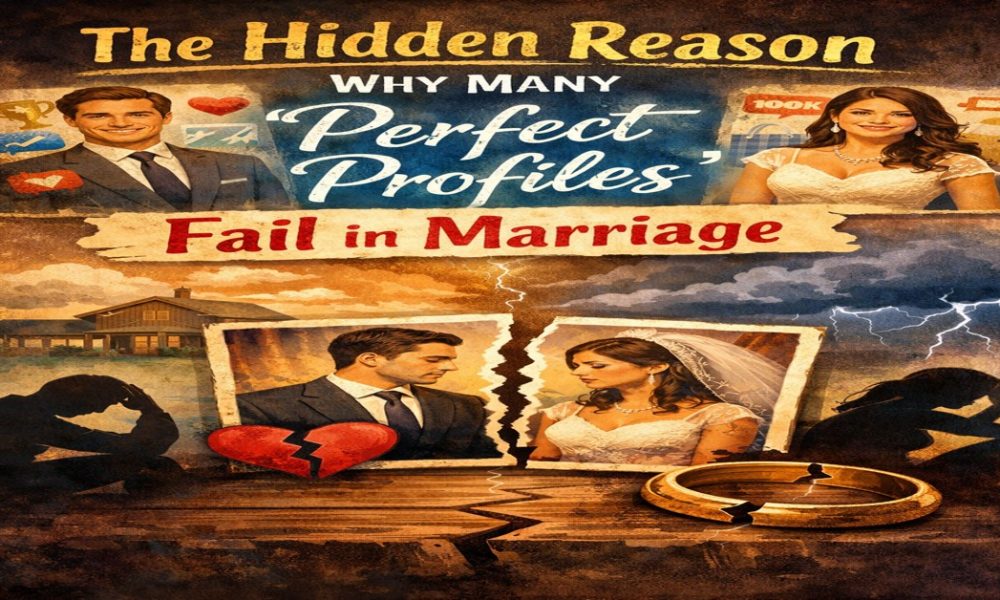

The Hidden Reason Why Many “Perfect Profiles” Fail in Marriage

In today’s matchmaking world—especially in a fast-paced, status-conscious city like Dhaka—the idea of a “perfect profile” has become almost irresistible.
You’ve seen them.
A biodata that looks flawless:
- Highly educated
- Well-settled career
- Attractive appearance
- Respected family background
On paper, everything aligns.
In theory, nothing should go wrong.
And yet, surprisingly often, these “perfect profiles” either:
- Don’t lead to marriage at all
- Or result in relationships that quietly struggle—and sometimes fail
This creates a confusing question for many people and families:
“If everything was perfect, what went wrong?”
The answer is not obvious.
Because the problem is rarely visible in the biodata itself.
The truth is, many “perfect profiles” fail not because something is missing on paper—but because something deeper is misaligned beneath the surface.
Let’s explore this honestly and deeply.
The Illusion of Perfection
The first thing we need to understand is this:
👉 A “perfect profile” is not the same as a “perfect person.”
A profile is a presentation.
A person is a complex reality.
Biodata and modern profiles are designed to highlight:
- Strengths
- Achievements
- Positive traits
But they rarely show:
- Emotional patterns
- Communication habits
- Personal insecurities
- Behavioral tendencies
So what looks perfect is often just well-packaged.
And when two “perfect profiles” meet, they are not meeting as full individuals.
They are meeting as carefully constructed versions of themselves.
Why Success on Paper Doesn’t Guarantee Success in Marriage
There is a subtle but important difference between:
- Being successful in life
and - Being compatible in a relationship
A person can be:
- Highly educated
- Financially stable
- Socially respected
…and still struggle in marriage.
Because marriage is not a performance.
It’s a continuous interaction between two people.
And that interaction depends on qualities that are often invisible in profiles.
The Missing Layer: Emotional Compatibility
This is perhaps the biggest hidden factor.
Emotional compatibility includes:
- How you express feelings
- How you respond to stress
- How you handle conflict
- How you support each other
These things are not written in biodata.
Two people may both be:
- Successful
- Intelligent
- Well-mannered
But if:
- One is emotionally expressive
- The other is emotionally reserved
They may struggle to connect.
And this mismatch often appears only after marriage discussions begin—or even after marriage itself.
The Problem of “Checklist Matching”
Modern matchmaking—especially among educated professionals—often becomes a checklist exercise.
People look for:
- Same university level
- Similar income range
- Matching social status
- Specific physical preferences
And when all boxes are ticked, the assumption is:
👉 “This should work.”
But relationships don’t work like checklists.
Because:
- Human beings are not categories
- Compatibility is not binary
- Connection cannot be measured in boxes
Checklist matching creates logical alignment, but not necessarily emotional connection.
The Hidden Role of Ego
One of the least discussed reasons behind the failure of “perfect profiles” is ego.
When two highly accomplished individuals come together:
- Both are used to being right
- Both have strong opinions
- Both value independence
Individually, these are strengths.
But in a relationship, they can create friction.
Because marriage requires:
- Compromise
- Flexibility
- Willingness to adjust
If both individuals hold tightly to their own ways, even small disagreements can escalate.
And over time, this creates distance.
Communication: The Silent Deal Breaker
Many relationships don’t fail because of big issues.
They fail because of small, repeated communication gaps.
A “perfect profile” does not guarantee:
- Good listening skills
- Clear expression of feelings
- Respectful disagreement
For example:
- One person may avoid conflict
- The other may confront directly
This mismatch can lead to:
- Misunderstandings
- Frustration
- Emotional disconnect
And these issues often remain hidden during initial meetings.
The Pressure of Expectations
Another hidden challenge is expectation.
When a profile looks perfect, expectations automatically rise.
Families and individuals think:
👉 “This must be the ideal match.”
But high expectations create pressure.
People may:
- Try to appear better than they are
- Hide flaws
- Avoid difficult conversations
This prevents authentic connection.
And when reality eventually surfaces, it feels like a disappointment, even if the person is genuinely good.
The “Too Good to Be True” Effect
Interestingly, extremely perfect profiles sometimes create doubt.
People start wondering:
- “Why is this person still unmarried?”
- “Is there something hidden?”
This suspicion can affect how interactions unfold.
Even if nothing is wrong, the perception of perfection can:
- Create hesitation
- Reduce trust
- Complicate decision-making
Lack of Time for Real Connection
In cities like Dhaka, many individuals with “perfect profiles” are also:
- Extremely busy
- Career-focused
- Time-constrained
This creates a practical problem.
They may:
- Meet only once or twice
- Have limited conversations
- Rush decisions
But connection requires time.
Without enough interaction:
- True compatibility cannot be assessed
- Emotional comfort cannot develop
And relationships built without depth often struggle later.
The Role of Family Dynamics
A profile may represent an individual.
But marriage involves families.
Sometimes:
- Family expectations differ
- Lifestyles clash
- Values don’t align
Even if the two individuals are compatible, family-related tensions can create challenges.
And these factors are not always visible in biodata.
Fear of Imperfection
Ironically, people with “perfect profiles” often struggle with accepting imperfection.
They may:
- Expect the same level of perfection from their partner
- Be less tolerant of flaws
- Focus more on what’s missing than what’s present
This mindset makes it difficult to:
- Appreciate differences
- Grow together
- Build resilience in the relationship
The Difference Between Attraction and Compatibility
Another hidden issue is confusing attraction with compatibility.
A profile may create strong initial attraction because of:
- Education
- Appearance
- Status
But attraction is not enough.
Compatibility is about:
- Long-term harmony
- Shared values
- Emotional understanding
When attraction fades, incompatibility becomes more visible.
Why Some “Less Perfect” Matches Work Better
Interestingly, many successful marriages are built on profiles that are not “perfect” on paper.
Why?
Because these individuals:
- Are more flexible
- Have realistic expectations
- Focus on connection rather than comparison
They are willing to:
- Communicate openly
- Adjust gradually
- Build the relationship over time
And that often leads to stronger, more stable marriages.
The Role of Modern Marriage Media
This is where structured matchmaking services play an important role.
Instead of focusing only on biodata, modern marriage media:
- Look beyond surface-level details
- Understand personality and preferences
- Evaluate compatibility more deeply
They help clients:
- Avoid misleading perfection
- Focus on meaningful alignment
- Make informed decisions
Because the goal is not to find the most impressive profile.
It’s to find the most suitable partner.
A More Honest Approach to Matchmaking
To avoid the pitfalls of “perfect profiles,” a shift in mindset is needed.
Be Curious, Not Impressed
Instead of thinking:
👉 “This looks perfect”
Ask:
👉 “How does this person think, feel, and communicate?”
Focus on Interaction, Not Just Information
Pay attention to:
- Conversations
- Comfort level
- Emotional response
These reveal more than any biodata.
Accept Imperfection
Understand that:
- Everyone has flaws
- Compatibility includes managing those flaws
- Perfection is not required for a successful marriage
Give Time for Connection
Don’t rush.
Allow:
- Multiple conversations
- Honest discussions
- Gradual understanding
Because connection grows—it doesn’t appear instantly.
The hidden reason why many “perfect profiles” fail is simple—but often overlooked:
👉 They are perfect on paper, but not aligned in reality.
Marriage is not built on:
- Degrees
- Salaries
- Social status
It is built on:
- Understanding
- Communication
- Emotional connection
A perfect profile may open the door.
But only real compatibility can sustain the relationship.
In the end, the goal is not to find someone who looks perfect.
It is to find someone who feels right.
Because in marriage, what matters most is not how impressive the profile is—
but how well two people can build a life together beyond it.
The Hidden Reason Why Many “Perfect Profiles” Fail in Marriage (Extended Deep Dive)
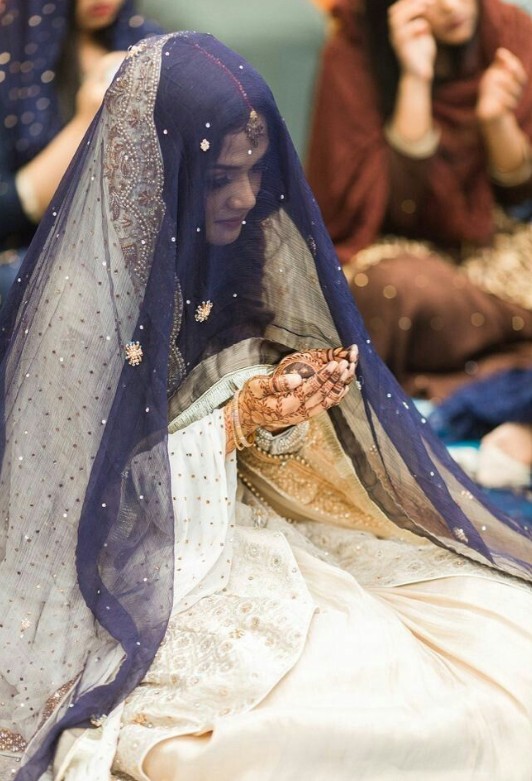
If you spend enough time around matchmaking conversations in Dhaka—whether in drawing rooms, family discussions, or professional marriage media offices—you’ll notice a pattern that feels almost paradoxical.
The profiles that look the most promising on paper often become the most confusing in reality.
Everything appears ideal:
- Education matches
- Careers are stable
- Families are respectable
- Lifestyle seems aligned
And yet, something doesn’t click.
Meetings happen, conversations begin, expectations rise—and then, slowly, things fall apart. Not dramatically. Not visibly. Just… quietly.
This quiet breakdown is what makes the issue so difficult to understand.
Because when there is no obvious flaw, people don’t know where to look.
But the truth is, the failure of “perfect profiles” is rarely about what is visible.
It is about what remains unseen, unspoken, and often unexamined.
The Burden of Being “Perfect”
Let’s begin with something most people don’t consider.
Being perceived as “perfect” is not always an advantage.
In fact, it can become a burden.
When someone is introduced as:
- Highly successful
- Exceptionally well-educated
- From an outstanding family
They are not just being described—they are being placed on a pedestal.
And once someone is on a pedestal:
- Expectations become unrealistically high
- Every behavior is closely evaluated
- Small imperfections feel magnified
This creates pressure.
The person behind the profile may start to feel:
- The need to maintain an image
- The fear of being judged
- The hesitation to show vulnerability
And without vulnerability, real connection cannot form.
The Gap Between Identity and Image
A profile represents who a person appears to be.
But identity is much deeper.
There is often a gap between:
- The image presented
and - The person experienced in real life
For example:
- A confident professional may struggle with emotional expression
- A socially admired individual may feel internally insecure
- A highly disciplined person may find it difficult to adapt in personal relationships
These are not flaws.
They are human realities.
But when these realities are not visible early on, they create surprise later.
And surprise, in relationships, often leads to confusion.
Why Early Conversations Stay Superficial
One of the biggest challenges with “perfect profiles” is that early conversations often remain at the surface level.
Why?
Because both sides assume:
👉 “Everything is already aligned.”
So instead of exploring deeper topics, conversations revolve around:
- Work
- Education
- General interests
- Family background
These discussions are comfortable—but limited.
They don’t touch on:
- Emotional needs
- Personal struggles
- Expectations from marriage
- Views on conflict and compromise
As a result, both individuals leave with a positive impression—but without real understanding.
The Fear of “Saying the Wrong Thing”
When profiles seem perfect, people become cautious.
They start thinking:
- “What if I say something that ruins this?”
- “What if I ask the wrong question?”
So they avoid:
- Difficult topics
- Honest opinions
- Personal disclosures
This creates a polished but artificial interaction.
And relationships built on cautious conversations often lack depth.
The Hidden Role of Past Experiences
Every individual carries a past.
Not necessarily something negative—but something influential.
Past experiences shape:
- Expectations
- Trust levels
- Emotional responses
However, these experiences are rarely discussed in early stages.
Especially when profiles look ideal.
People assume:
👉 “No need to dig deeper.”
But later, these unspoken histories can affect:
- Communication
- Trust
- Decision-making
And without awareness, they create invisible barriers.
The “Compatibility Illusion”
A perfect profile often creates the illusion of compatibility.
Because when key factors match—education, profession, lifestyle—it feels like everything else will naturally fall into place.
But compatibility is not automatic.
It must be:
- Explored
- Tested
- Experienced
Two people can look perfectly aligned externally but differ internally in:
- Values
- Priorities
- Emotional needs
And these differences only become visible over time.
Why Conflict Becomes Harder
In many “perfect profile” situations, conflict is delayed.
Not because it doesn’t exist—but because it is avoided.
People think:
👉 “This is too good to risk with disagreement.”
So they:
- Stay agreeable
- Suppress concerns
- Avoid confrontation
But unresolved issues don’t disappear.
They accumulate.
And when they finally surface, they feel:
- Sudden
- Intense
- Overwhelming
This can destabilize the relationship.
The Pressure to “Make It Work”
Another hidden factor is pressure.
When families see a perfect match, they become emotionally invested.
They believe:
👉 “This is the one.”
This creates pressure on the individuals to:
- Continue even when unsure
- Ignore doubts
- Move forward quickly
And under pressure, people often make decisions that are not fully aligned with their feelings.
This leads to fragile foundations.
The Misunderstanding of Effort
Many people assume that if two profiles are perfect, the relationship will be easy.
But the reality is:
👉 The better the match looks, the more effort is required to make it real.
Because expectations are higher.
And meeting high expectations requires:
- Communication
- Adjustment
- Patience
Without effort, even the best-looking matches can fail.
Emotional Availability: The Invisible Factor
One of the most overlooked aspects of matchmaking is emotional availability.
A person may be:
- Successful
- Stable
- Ready on paper
But not emotionally ready.
They may:
- Struggle to open up
- Avoid deep connection
- Prioritize independence over partnership
And this creates distance.
Because marriage is not just about being ready in life.
It’s about being ready to share life.
The Role of Timing
Timing plays a subtle but powerful role.
Two people may be perfect for each other—but at different stages of readiness.
For example:
- One may be ready to settle down
- The other may still be focused on career growth
This mismatch in timing creates imbalance.
And even strong compatibility cannot overcome misaligned timing easily.
The Danger of Over-Analysis
Highly educated, successful individuals often have analytical minds.
They are used to:
- Evaluating options
- Making calculated decisions
- Avoiding risks
But when this mindset is applied to relationships, it can create problems.
People start:
- Overthinking every interaction
- Looking for hidden flaws
- Doubting positive experiences
This prevents natural connection.
Because relationships require not just analysis—but also trust.
Why Simplicity Often Wins
Interestingly, many successful marriages come from simpler matches.
Not because they are better on paper—but because they are:
- Less pressured
- More open
- More natural
These individuals:
- Speak honestly
- Accept imperfections
- Build gradually
And that creates stronger foundations.
The Role of Guided Matchmaking
This is where structured marriage media becomes important.
Instead of focusing only on impressive profiles, they:
- Look for deeper compatibility
- Encourage meaningful conversations
- Guide clients through the process
They help individuals:
- Ask the right questions
- Understand each other better
- Avoid common pitfalls
Because matchmaking is not just about introduction.
It’s about interpretation and guidance.
A More Grounded Approach to “Perfect Profiles”
So how should people approach these situations?
Not with skepticism—but with awareness.
Look Beyond the Surface
Ask:
- How does this person think?
- How do they handle stress?
- What matters most to them?
Create Space for Honesty
Encourage:
- Open conversations
- Real opinions
- Personal stories
Accept Complexity
Understand that:
- No one is perfect
- Differences are natural
- Growth is part of the process
Focus on Feeling, Not Just Facts
Pay attention to:
- Comfort
- Ease of conversation
- Emotional connection
These are stronger indicators than any profile detail.
Final Reflection
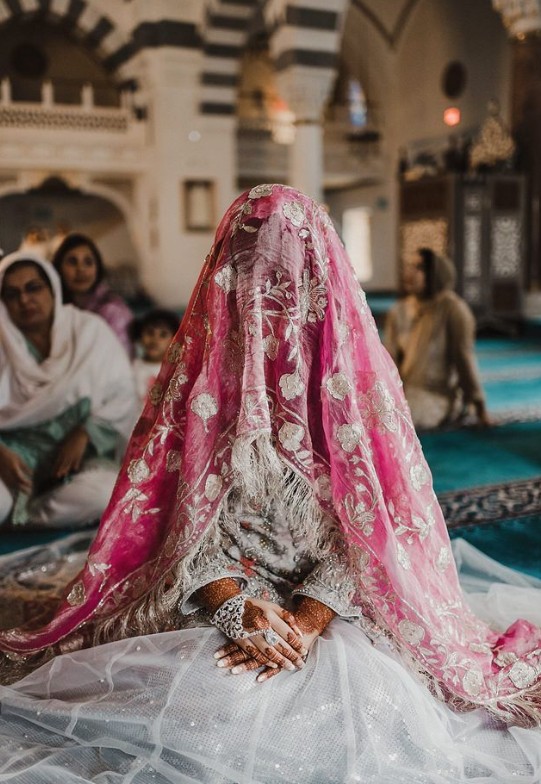
The failure of many “perfect profiles” is not a mystery.
It is a reminder.
A reminder that:
- Human beings are more than their achievements
- Relationships are more than compatibility on paper
- Connection cannot be manufactured—it must be experienced
Perfection creates expectation.
But connection creates stability.
And in the long run, stability matters more.
In the end, the goal is not to find someone who impresses everyone.
It is to find someone with whom life feels:
- Honest
- Comfortable
- Real
Because marriage is not about maintaining perfection.
It is about building something meaningful—together, imperfections and all.