








The Unspoken Ego Battles Behind Marriage Negotiations
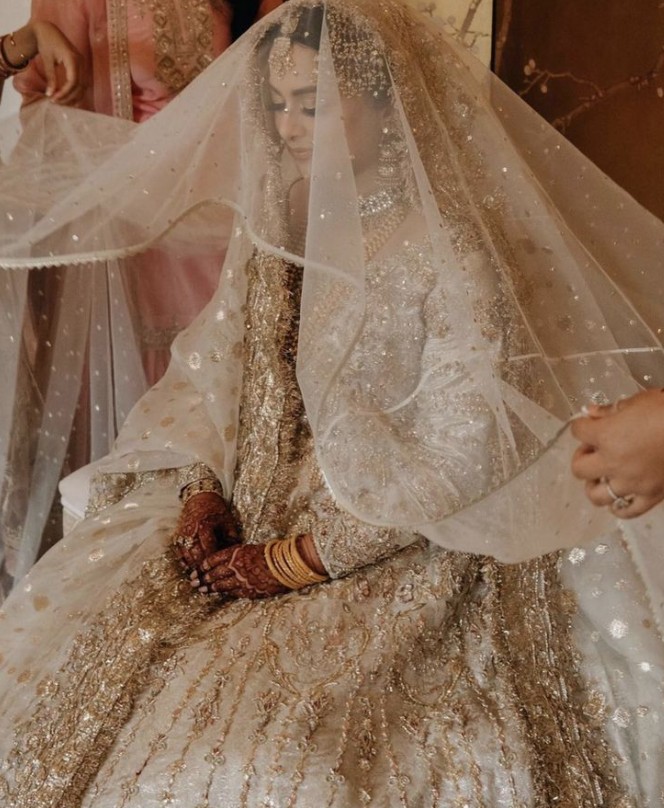
Understanding Power, Pride, Status, and Silent Competition in Elite Arranged Marriages
Introduction: When Marriage Becomes More Than Two People
In many societies, especially in affluent urban areas like Gulshan and Banani, marriage negotiations are rarely just about compatibility between a bride and groom. They are often subtle negotiations between families, reputations, wealth, influence, and pride.
Behind the polite smiles, respectful conversations, and formal tea meetings, there are often unspoken ego battles unfolding quietly.
No one admits it openly.
No one wants to look insecure.
But everyone wants to win.
At Gulshan Marriage Media, years of experience working with elite, educated, and high-profile families reveal a recurring pattern: most failed proposals are not destroyed by incompatibility — they collapse because of ego.
This blog dives deep into:
- Why ego quietly controls marriage negotiations
- How power dynamics affect decisions
- The silent competition between families
- The emotional cost of pride
- And how mature negotiation can protect relationships
If you truly want a successful arranged marriage, you must understand what no one talks about — the ego behind the discussion.
- What Is Ego in Marriage Negotiations?
Ego is not always arrogance.
Sometimes, it is disguised as:
- “Self-respect”
- “Family dignity”
- “Status maintenance”
- “Principle”
- “Standards”
In elite arranged marriages, ego often shows up as:
- Who called first?
- Who visited whose house?
- Who mentioned financial expectations?
- Who delayed responding?
- Who appears more in demand?
Marriage becomes less about partnership and more about silent positioning.
- The Power Game: Who Has the Upper Hand?
In high-status environments, power matters.
If the groom is:
- Foreign-educated
- A successful entrepreneur
- An NRB professional
- From an influential political or business family
His family may unconsciously assume dominance.
On the other hand, if the bride:
- Comes from generational wealth
- Is highly educated
- Owns assets
- Belongs to a respected family name
Her side may project equal or higher authority.
The negotiation subtly becomes:
“Are we equal?”
“Are we superior?”
“Are we settling?”
And once equality feels threatened, ego begins to speak louder than logic.
- The Silent Competition Between Families
In elite Dhaka circles, marriages are not just personal — they are social statements.
Families compare:
- House size
- Wedding scale
- Education backgrounds
- Business status
- Social connections
- Even guest list quality
This comparison creates invisible tension.
Even when both sides are respectable, there can be a silent rivalry:
- Who seems more relaxed?
- Who appears more selective?
- Who rejects first?
The truth?
Sometimes proposals fail not because someone was unsuitable, but because neither side wanted to look “less wanted.”
- The “Who Needs Whom More” Syndrome
One of the most dangerous ego triggers in negotiations is perceived desperation.
If one family:
- Follows up too frequently
- Responds too quickly
- Shows visible interest
The other side may subconsciously feel elevated.
Interest becomes interpreted as need.
Need becomes weakness.
Weakness invites ego dominance.
Healthy interest is good.
But unbalanced perceived urgency creates psychological hierarchy.
- Financial Conversations: Where Ego Explodes
Money discussions often ignite hidden pride.
Topics like:
- Wedding budget
- Living arrangements
- Property ownership
- Lifestyle expectations
- Financial transparency
If handled poorly, they can quickly turn emotional.
For example:
If the groom’s family says,
“Our son earns this much.”
The bride’s family may feel:
“Are they trying to show superiority?”
If the bride’s family mentions assets,
The groom’s side may interpret:
“Are they trying to compete?”
Instead of clarity, the room fills with silent defensiveness.
- Education & Career: The New Battlefield
In modern elite marriages, education has become a status symbol.
Degrees from:
- UK
- USA
- Canada
- Australia
Or prestigious institutions in Bangladesh can influence negotiation tone.
If both bride and groom are highly accomplished, subtle insecurity may appear:
- Who earns more?
- Whose degree sounds more prestigious?
- Whose career is more stable?
When two successful individuals come together, ego can clash quietly if maturity is missing.
- The Social Media Influence
Today, ego battles extend online.
Families evaluate:
- Instagram lifestyle
- Facebook presence
- LinkedIn achievements
- Social visibility
A curated life can inflate perceived value.
And if one side feels the other is “showing off,” negotiation tension increases.
Ironically, digital display can create emotional distance in real discussions.
- Delay as a Power Strategy
Another ego tactic in negotiations: intentional delay.
Some families:
- Take longer to reply
- Ask for more time repeatedly
- Create uncertainty
Why?
Because delay creates leverage.
It sends a message:
“We have options.”
But excessive delay often damages trust.
Strong alliances are built on clarity — not power games.
- The Emotional Cost of Ego
Behind every broken proposal are two individuals.
While families compete silently, the bride and groom may:
- Develop hope
- Imagine compatibility
- Begin emotional attachment
When ego ends negotiations abruptly, it leaves:
- Confusion
- Self-doubt
- Emotional exhaustion
Repeated ego-driven failures can create long-term fear of arranged marriage itself.
- Parents’ Ego vs Children’s Happiness
In many cases, the bride and groom may genuinely like each other.
But parents’ pride interferes:
- “They should call first.”
- “We will not compromise.”
- “We are not inferior.”
- “They must agree to our condition.”
And slowly, a promising match dissolves.
The tragedy?
The children often never know the real reason.
- Second Marriage & Heightened Sensitivity
In second marriages, ego sensitivity increases.
Families become protective.
Reputation concerns intensify.
Negotiation becomes cautious.
If both sides carry past emotional scars, ego defense mechanisms strengthen.
This is where professional mediation becomes crucial.
- How Professional Matchmaking Reduces Ego Conflict
At Gulshan Marriage Media, one core strength is neutral positioning.
A professional marriage media:
- Maintains balance
- Filters unrealistic expectations
- Communicates diplomatically
- Prevents emotional misunderstandings
- Ensures neither side feels inferior
Neutral mediation reduces ego escalation.
Because when families talk directly, emotions can distort interpretation.
But when a trusted intermediary guides the process, maturity increases.
- The Difference Between Standards & Ego
Standards are healthy.
Ego is defensive.
Standards say:
“We want compatibility.”
Ego says:
“We must win.”
Standards focus on long-term harmony.
Ego focuses on short-term dominance.
Understanding this difference changes everything.
- How to Recognize Ego in Yourself
Ask yourself:
- Am I rejecting this proposal to protect my child — or to protect my pride?
- Am I delaying to think — or to show power?
- Am I demanding fairness — or superiority?
- Would I still feel upset if status was not involved?
Self-awareness is the first step to preventing silent ego wars.
- The Modern Shift: Less Drama, More Maturity
Encouragingly, many younger families in Gulshan and Banani are shifting mindset.
They value:
- Emotional intelligence
- Compatibility
- Mutual respect
- Transparency
More than pure status competition.
But change requires conscious effort.
Because ego is subtle.
It hides behind dignity.
- The Long-Term Impact of Ego-Driven Marriages
Even if a marriage succeeds despite ego-heavy negotiations, the foundation may carry:
- Resentment
- Power imbalance
- Ongoing comparison
And these patterns can resurface after marriage in family dynamics.
Healthy beginnings matter.
- Why the Strongest Families Stay Humble
Interestingly, the most secure and powerful families often show the least ego.
Why?
Because true confidence does not need validation.
They prioritize:
- Character over status
- Compatibility over display
- Stability over dominance
And their marriages tend to be smoother.
Conclusion: Marriage Is Not a Competition
Marriage negotiations should not be a battlefield of pride.
They should be:
- A search for alignment
- A conversation of values
- A respectful union of families
Ego may feel protective, but in reality, it destroys opportunities silently.
If families can shift from:
“Who is superior?”
To:
“Are we compatible?”
Then negotiations become peaceful, dignified, and successful.
In elite environments like Gulshan and Banani, where reputation and status matter deeply, the real strength lies not in dominance — but in emotional maturity.
And with professional guidance from trusted platforms like Gulshan Marriage Media, families can navigate negotiations without ego destroying what could have been a beautiful lifelong partnership.
The Unspoken Ego Battles Behind Marriage Negotiations (Extended Edition)
Power, Pride, Perception & the Psychology of Status in Elite Arranged Marriages
Marriage negotiations in elite circles are rarely loud, dramatic, or openly confrontational. In places like Gulshan and Banani, everything appears refined, dignified, and composed.
But beneath the polished manners lies something far more powerful than logic.
Ego.
Not the obvious kind.
Not shouting.
Not arrogance.
But subtle positioning.
Silent competition.
Unspoken comparison.
At Gulshan Marriage Media, years of observing high-profile marriage negotiations reveal one clear truth:
Many promising alliances collapse not because of incompatibility — but because of unspoken ego struggles between families.
This extended deep-dive explores the psychological layers, the hidden triggers, the generational patterns, and the silent power plays that shape elite marriage decisions.
- The Subtle Language of Superiority
In elite negotiations, superiority is never announced.
It is communicated through tone.
Through posture.
Through timing.
Examples include:
- “We are reviewing several proposals.”
- “Our son has many international opportunities.”
- “Our daughter is not in a hurry.”
These phrases may sound normal, but often they are subtle power signals.
Each side wants to communicate:
“We are valuable.”
“We have options.”
“We are not desperate.”
But when both sides signal superiority at the same time, collaboration turns into competition.
- The Fear of Appearing “Less”
Ego in negotiations is usually rooted in fear.
The fear of:
- Appearing financially weaker
- Appearing socially lower
- Appearing more eager
- Appearing less selective
- Appearing dependent
In elite Dhaka culture, perception is currency.
Families don’t just evaluate compatibility — they evaluate what society will think.
And when perception becomes more important than peace, ego takes control.
- Wedding Discussions: A Hidden Arena of Pride
Weddings in affluent areas are not just ceremonies. They are social exhibitions.
Questions like:
- Who will host which event?
- How many guests?
- Which venue?
- Who pays for what?
- What level of decoration?
These conversations may seem practical.
But often, they become a silent test of generosity and dominance.
If one family proposes something grander, the other may feel pressured to match.
If one suggests simplicity, the other may feel insulted.
Suddenly, the wedding becomes less about celebration and more about status demonstration.
- The Groom’s Family Ego vs The Bride’s Family Ego
Traditionally, groom families held negotiation dominance.
But in modern elite circles, especially in Gulshan, dynamics are shifting.
Highly educated, financially strong brides are changing the power equation.
Now, sometimes:
- Bride families set conditions.
- Bride families reject more proposals.
- Bride families delay decisions.
This shift can create internal friction.
If a groom’s family is used to dominance, equality can feel threatening.
If a bride’s family feels empowered, assertiveness may turn into inflexibility.
When both sides carry pride, even small misunderstandings escalate.
- The Psychology of “Our Standard”
Every family believes they have standards.
But often, what is labeled as “standard” is actually identity protection.
Statements like:
- “This is our family culture.”
- “We don’t compromise on this.”
- “We have certain expectations.”
Sometimes represent genuine values.
But sometimes they are shields.
When families are unwilling to explain the reason behind their standards, ego may be hiding behind tradition.
- The Role of Extended Family Pressure
In elite circles, decisions are rarely made by just two parents.
Uncles, aunts, grandparents, cousins — everyone has opinions.
And those opinions can fuel ego.
For example:
- “Their house is not as big as ours.”
- “Their business is newer.”
- “We should not agree too quickly.”
External voices amplify insecurity.
And insecurity feeds ego.
- Rejection as a Power Move
Sometimes families reject a good proposal simply to maintain perceived status.
Why?
Because accepting too quickly may signal lack of options.
In highly competitive marriage markets, being selective enhances reputation.
But this strategy is risky.
A good match rejected for ego rarely returns.
- The Emotional Damage to Brides & Grooms
While families engage in silent ego positioning, the individuals involved experience something very different.
They feel:
- Confusion
- Disappointment
- Rejection
- Emotional fatigue
Imagine two educated, mature individuals who genuinely see compatibility.
But negotiations collapse because:
- One family refused a minor request.
- One side delayed communication.
- One comment was misinterpreted as arrogance.
The emotional cost is invisible — but real.
- The “Image Management” Trap
Elite families often prioritize how things look externally.
Questions like:
- How will society view this alliance?
- Will people think we married up or down?
- Does this match enhance our image?
When marriage becomes image management, authenticity disappears.
And ego becomes the decision-maker.
- Generational Ego Differences
Older generations may focus on:
- Family name
- Wealth comparison
- Social hierarchy
Younger generations prioritize:
- Emotional connection
- Mutual respect
- Career compatibility
- Shared goals
This generational gap itself creates tension.
Sometimes parents’ ego battles override the children’s preferences.
And when that happens, silent resentment can follow into the marriage.
- The NRB Factor & International Status
When one party lives abroad, negotiation complexity increases.
An NRB groom may be perceived as higher status.
An internationally educated bride may be viewed as elite.
But this can trigger imbalance.
If one side feels “imported value,” ego sensitivity increases.
Subtle questions arise:
- Are they marrying for migration?
- Are we being chosen for convenience?
- Are we equal socially?
Without careful handling, these perceptions can destabilize talks.
- The Art of Neutral Mediation
This is where professional platforms like Gulshan Marriage Media play a crucial role.
A neutral mediator:
- Reduces misinterpretation
- Communicates respectfully
- Softens harsh tones
- Balances expectations
- Prevents emotional escalation
Professional matchmaking absorbs ego tension before it explodes.
Because sometimes, families don’t need confrontation.
They need translation.
- When Silence Becomes Aggression
Not responding.
Not clarifying.
Not following up.
In elite negotiations, silence can be strategic.
But it can also feel disrespectful.
If one side interprets silence as arrogance, ego reacts defensively.
Healthy negotiation requires clarity.
Ambiguity breeds insecurity.
Insecurity breeds ego.
- The Hidden Cost of Pride
Every ego-driven rejection has long-term consequences:
- Reduced trust in the arranged marriage system
- Increased emotional exhaustion
- Rising unrealistic expectations
- Fear of future rejection
Families rarely calculate the opportunity cost of pride.
But it accumulates over time.
- Why Some Marriages Begin With Imbalance
If negotiations were ego-heavy, marriage may begin with:
- Silent resentment
- Power imbalance
- Competitive family interactions
- Ongoing status comparison
And these seeds can grow into long-term tension.
Healthy marriages require balanced beginnings.
- Emotional Intelligence: The Real Status Symbol
True elite behavior is not dominance.
It is emotional intelligence.
It means:
- Listening calmly
- Communicating clearly
- Accepting reasonable compromise
- Respecting differences
- Prioritizing long-term harmony
In modern Gulshan society, emotional maturity is becoming more attractive than wealth.
- Signs That Ego Is Driving the Negotiation
You may be experiencing ego-driven negotiation if:
- Minor issues feel like major insults
- You focus more on “winning” than understanding
- You compare constantly
- You feel offended easily
- You delay decisions to test power
Self-awareness changes outcomes.
- Choosing Peace Over Pride
In elite environments, protecting reputation matters.
But protecting your child’s future matters more.
Marriage is not a corporate merger.
It is not a social competition.
It is not a reputation battle.
It is a lifelong emotional partnership.
And no one wins when ego dominates.
Final Reflection: The Strongest Families Don’t Compete
In places like Banani and Gulshan, where success, education, and wealth are abundant, the real differentiator is humility.
The most secure families:
- Do not rush to prove superiority
- Do not fear appearing interested
- Do not delay to assert dominance
- Do not reject to protect image
They prioritize alignment over appearance.
And with structured guidance from experienced professionals like Gulshan Marriage Media, negotiations become smoother, clearer, and more balanced.
Because when ego steps aside, compatibility speaks louder.
Closing Thought
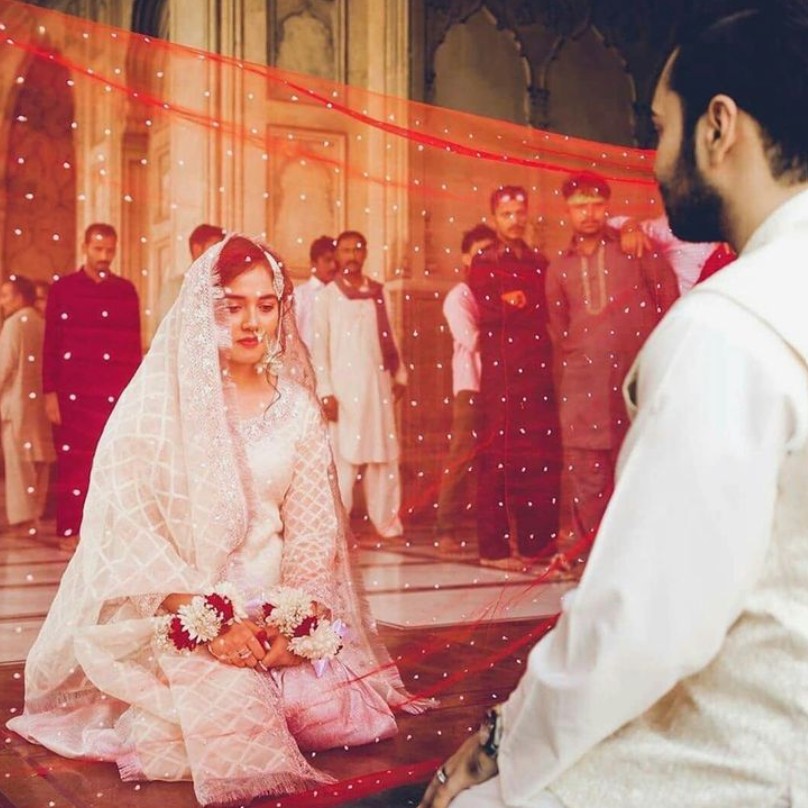
Years later, no one remembers:
Who called first.
Who delayed longer.
Who hosted grander.
Who appeared superior.
But everyone remembers whether the marriage brought peace, stability, and respect.
And that is something ego can never guarantee.
Final Thought
The greatest marriages are not formed by winning negotiations.
They are formed by two families choosing humility over pride.
Because in the end —
No one remembers who called first.
But everyone remembers whether the marriage brought peace.

Other Articles

Marriage Is a Lifetime Decision — Choose the Right Platform
Why Some Families Appear Perfect But Hide Major Conflicts