






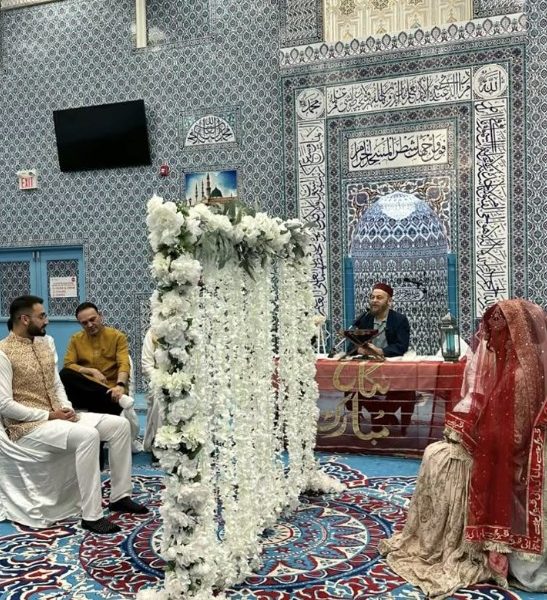

Arranged Marriage in Urban Bangladesh: How the Process Has Changed
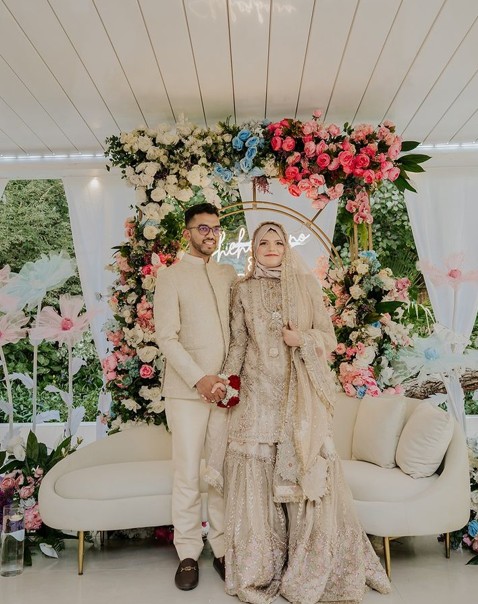
Marriage in Bangladesh—a social institution deeply rooted in tradition, religion, and family values—has always carried profound cultural significance. Among various forms of marriage, arranged marriage has historically dominated the landscape. However, in urban Bangladesh over the last few decades, the process of arranged marriage has evolved significantly. Societal transformation, globalization, technology, education, changing family dynamics, and economic empowerment have collectively reshaped how arrangements are made, who participates, and what expectations exist.
In this detailed article, we explore:
- The traditional model of arranged marriage
- Drivers of change in urban Bangladesh
- How the process has transformed step by step
- Modern challenges and conflicts
- Comparisons with love marriage and hybrid (assisted) models
- Future prospects of arranged marriage in urban families
Let’s begin with the roots.
- What Is Arranged Marriage? A Traditional Overview
Arranged marriage refers to a system where families—often parents—play the central role in identifying, evaluating, and finalizing a marital match for their children.
Traditionally in Bangladesh:
- The family network was the primary source of introduction.
- Matchmakers and relatives served as intermediaries.
- Decisions were driven by caste, religion, social status, and family reputation.
- Individual preference, especially of the bride, was limited.
- Marriage was a family decision, not a purely personal one.
In rural and earlier urban contexts, arranged marriages involved:
- Face-to-face meetings between families arranged through neighbors or extended relatives
- A strong emphasis on family reputation, community norms, and religious alignment
- Limited interaction between prospective bride and groom before engagement
This model ensured social cohesion and aligned with cultural expectations of respect for family hierarchy.
- Urbanization and Education: The First Wave of Change
With rapid urbanization in Bangladesh—particularly in cities like Dhaka, Chattogram, and Sylhet—the structure of family systems gradually transformed.
2.1 Higher Education Equals Higher Awareness
Over the last three decades:
- More young adults—both male and female—have pursued higher education.
- Universities became spaces for interaction, personal growth, and exposure to new ideas.
- Urban families began to value education, career, and independence alongside traditional criteria.
Impact:
- Families started considering the academic and professional compatibility of prospective matches.
- Prospective partners began prioritizing personal goals before marriage.
2.2 Economic Empowerment of Women
More women in urban Bangladesh are:
- Pursuing careers in business, media, education, and public service
- Financially independent or contributing to family income
This shift influenced arranged marriage dynamics profoundly:
- Women now have stronger voices in decision-making
- Delays in marriage age due to career focus
- Expectations for compatibility beyond family approval
Urban families now weigh a woman’s career trajectory as a vital criterion.
- Technology: The Game Changer
Technology completely transformed how arranged marriages are initiated and processed.
3.1 Mobile Phones and Social Media
Before mobile phones:
- Families communicated through fixed lines or in person
- Decisions and negotiations took weeks
Now:
- WhatsApp, Facebook, and Messenger serve as direct means of communication
- Families share biodata, photos, and references instantly
- Prospective couples can interact directly
Instant communication accelerated decision-making and allowed:
- Couples to communicate privately
- Faster verification of information
- Families to connect beyond geographical limitations
3.2 Online Matrimony Platforms
The rise of online matrimonial sites brought:
- Wider reach: Matches across cities, divisions, and even countries
- Advanced search filters: Education, profession, religion, height, salary
- Profile privacy levels
Some popular functions include:
- Verification badges
- Priority listing
- Recommendation systems
However, the quality and authenticity of profiles vary, posing new challenges.
3.3 Private Marriage Media & Boutique Services
Unlike public online sites, private marriage media services such as Gulshan Media provide:
- Personalized screening
- Family background checks
- Individual counseling
- Confidentiality for elite families
This hybrid model combines tradition with modern efficiency.
- Transformation of the Process: Step by Step
Let’s break down how the typical arranged marriage process in urban Bangladesh has evolved.
4.1 Step 1: Profile Creation
Traditional Model:
A physical folder with photographs and biodata handed to relatives or matchmakers
Modern Urban Model:
Digital profiles with:
✔ Professional photos
✔ Detailed education and career information
✔ Lifestyle preferences
✔ Personality traits
✔ Social media references
Digitalization gives depth to profiles and helps families make more informed decisions.
4.2 Step 2: Discovery of Matches
Traditional:
Word of mouth – neighbors, relatives, community elders
Modern Urban:
Multiple channels:
🔹 Family networks
🔹 Online matrimony sites
🔹 Private marriage media
🔹 Social media referrals
🔹 Professional & alumni networks
This expanded reach dramatically increases the pool of potential matches.
4.3 Step 3: Screening & Verification
Traditional:
Limited verification via family reputation or community standing
Modern Urban:
Structured verification involving:
✔ Background checks
✔ Education validation
✔ Workplace confirmation
✔ Lifestyle and social presence
Urban parents now prioritize factual data over mere reputation.
4.4 Step 4: Interaction Between Prospective Partners
Traditional:
Single supervised meeting or no interaction before commitment
Modern Urban:
Guided conversations before commitment:
➡ Phone calls
➡ Video calls
➡ Multiple meetings
This ensures emotional compatibility and reduces mismatches.
4.5 Step 5: Family Meetings and Expectations
Then:
Single negotiation dinner
Now:
Multiple formal interactions involving:
✔ Discussions on future plans
✔ Career aspirations
✔ Financial expectations
✔ Family values
✔ Lifestyle preferences
Parents are more open to discussing dowry-free arrangements, dual incomes, and location preferences.
4.6 Step 6: Decision Making
Traditional:
Parents made the final decision
Modern Urban:
Collaborative decision:
🟢 Input from the prospective couple
🟢 Family considerations
🟢 Respect for individual choices
🟢 Mutual consent
While family approval still matters, the couple’s comfort is given priority.
- Core Changes in Priorities & Values
Here’s how the criteria for choosing a match have evolved in urban groups:
5.1 Education and Career Over Caste Alone
Earlier: Caste and community were defining factors
Today:
✔ University degree
✔ Career prospects
✔ Language and communication skills
✔ Professional stability
While caste may still play a role for some families, it is no longer the primary determinant in urban areas.
5.2 Personality Compatibility
Modern families evaluate:
- Communication style
- Future life vision
- Conflict resolution approaches
- Personal interests
Emotional compatibility has become as important as social compatibility.
5.3 Lifestyle Alignment
Urban families increasingly care about:
✔ Eating habits
✔ Travel preferences
✔ Fitness and lifestyle choices
✔ Work–life balance
✔ Financial priorities
These discussions were previously rare but now are vital in the screening process.
- Challenges in the Modern Arranged Marriage Model
Even with these advancements, several hurdles remain:
6.1 Too Many Choices, Harder Decisions
With online access to thousands of profiles:
✔ Analysis paralysis
✔ Unrealistic expectations
✔ Endless comparison
This can make commitment harder.
6.2 Privacy vs Transparency
Young adults want freedom but also fear:
- Exposure of personal lifestyle to parents too early
- Pressure to conform
- Loss of autonomy
Balancing privacy with family involvement is tricky.
6.3 Social Pressure and Timelines
Urban youth often face:
- Pressure to marry before a certain age
- Career timelines clashing with family timelines
- Conflict between personal goals and societal expectations
This stress can strain relationships early.
6.4 Fake Profiles and Misrepresentation
Online platforms sometimes suffer from:
❌ Misleading photos
❌ False education claims
❌ Fake identity profiles
Despite screening measures, dishonesty remains a challenge.
- Arranged Marriage vs Love Marriage: The Urban Debate
Arranged Marriage
Pros:
✔ Family support system
✔ Lower risk of post-marriage conflicts due to background checks
✔ Shared values and expectations
✔ Involvement of elders reduces chances of hasty decisions
Cons:
❌ Initial lack of emotional familiarity
❌ Social expectations can feel constraining
Love Marriage
Pros:
✔ Emotional foundation first
✔ Personal choice
✔ Freedom of expression
Cons:
❌ Less family involvement can lead to lack of support
❌ Higher rate of conflict due to unexplored family expectations
❌ Potential social pressure and stigma
Hybrid Models: The Future
In urban Bangladesh, a hybrid model is emerging:
Assisted marriage where:
- A couple meets first
- Evaluates compatibility
- Then introduces the match to families
This model combines:
💡 Individual autonomy
💡 Family involvement
💡 Structured expectations
Most urban families now accept this middle path as practical and balanced.
- The Role of Marriage Media and Matchmakers Today
Private services like Gulshan Media and boutique matchmakers now offer:
8.1 Professional Screening & Matching
- Detailed interviews
- Education and career checks
- Family background research
This ensures quality over quantity.
8.2 Counseling & Communication Support
Many couples struggle to:
- Express expectations
- Navigate family dynamics
- Communicate honestly
Professional mediators facilitate:
✔ Healthy dialogue
✔ Conflict resolution
✔ Expectations alignment
8.3 Confidential and Curated Matches
Elite or niche families prefer:
🔹 High confidentiality
🔹 Curated matchmaking
🔹 Serious inquiries only
This reduces time, waste, and mismatches.
- Success Stories from Urban Bangladesh
Urban arranged marriages today often reflect:
✨ Two individuals meeting through a marriage service
✨ Multiple conversations before meeting
✨ Mutual respect for career and personal goals
✨ Families supporting the bond
These stories often include:
✔ Career-oriented couples
✔ Educated professionals
✔ Joint decision-making
✔ Shared life vision
Today’s success is no longer just about alignment of families, but about alignment of life plans and individual personalities.
- What Young Adults Want Today
Modern urban youths want:
✔ Respect for autonomy
✔ Voice in the selection process
✔ Emotional compatibility
✔ Open communication
✔ Acceptance of personal identity
✔ No undue interference
They still value:
💛 Family approval
💛 Cultural respect
💛 Religious harmony
💛 Long-term stability
The modern ideal? Balance.
- What Urban Parents Prioritize Today
Urban parents look for:
✔ Strong educational background
✔ Stable career and income
✔ Good personal values
✔ High moral standards
✔ Similar lifestyle aspirations
Parents increasingly engage:
- Younger generations in conversations
- Professionals in matchmaking
- Online platforms with privacy controls
- Urban Arranged Marriage & Global Exposure
Bangladesh’s urban youth often study abroad or have international exposure. This has influenced:
🌍 Broader worldviews
🌍 Greater emphasis on compatibility
🌍 More openness to cross-cultural understanding
🌍 Professional equality between spouses
Families respect global perspectives more than ever before.
- Long-Term Impact on Society
The changing process of arranged marriage is now influencing:
📌 Women’s empowerment
📌 Gender roles within marriage
📌 Financial partnership models
📌 Shared decision-making in families
📌 Social mobility
Urban Bangladesh is gradually redefining marriage from a family contract to a collaborative life partnership.
- Lessons for Other Communities
What makes urban Bangladesh’s model notable:
✔ Respect for tradition
✔ Increased individual autonomy
✔ Modern matchmaking tools
✔ Family involvement refined, not rigid
✔ Emphasis on compatibility and future planning
This model balances heritage and modernization.
- Conclusion: Arranged Marriage in Urban Bangladesh Is Not Dying — It’s Evolving
Arranged marriage in urban Bangladesh is no longer about blind tradition or rigid norms. It has evolved into a flexible, collaborative system that respects:
- Individual preferences
- Career goals
- Emotional maturity
- Family expectations
- Cultural values
Today’s arranged marriage is:
🎯 Intentional
🎯 Informed
🎯 Inclusive
🎯 Respectful of autonomy
Families, young adults, and professionals are embracing this evolution as a balanced approach—guided by tradition, empowered by choice.
Arranged Marriage in Urban Bangladesh: How the Process Has Changed (Extended Analysis)
While the earlier sections explained how arranged marriage has evolved structurally in urban Bangladesh, this extended part dives deeper into the psychological, social, economic, and generational layers of that transformation. Understanding these deeper shifts is crucial to fully grasp why arranged marriage has not disappeared—but instead adapted itself intelligently to modern realities.
- Psychological Shifts: From Obedience to Ownership
One of the most profound changes in urban arranged marriages is psychological.
16.1 Earlier Mindset: Marriage as Duty
In previous generations:
- Marriage was considered a social obligation
- Emotional readiness was rarely discussed
- Compatibility was assumed to grow automatically after marriage
- Individual doubts were suppressed in favor of family harmony
Young people were taught to adjust, not to question.
16.2 Modern Urban Mindset: Marriage as a Life Choice
Urban youth today approach marriage very differently:
- They seek emotional safety, not just social security
- They want clarity about expectations before commitment
- They see marriage as a long-term partnership, not a sacrifice
This psychological shift means:
✔ Young adults want to feel ownership over the decision
✔ Consent is not symbolic—it is essential
✔ Emotional well-being matters as much as social approval
Arranged marriage has adapted by allowing more time, conversation, and choice.
- The Role of Emotional Intelligence in Modern Matches
In urban arranged marriages, emotional intelligence has quietly become a deciding factor.
17.1 What Families Now Look For
Beyond degrees and salaries, families increasingly value:
- Communication skills
- Emotional maturity
- Conflict-handling ability
- Respectful behavior
- Ability to adapt
These qualities are now discussed openly during meetings.
17.2 Emotional Compatibility Over Surface Attraction
Unlike love marriages driven initially by attraction, modern arranged marriages focus on:
- How disagreements are handled
- Attitudes toward stress and responsibility
- Emotional availability
- Listening skills
Marriage media interviews and pre-meet discussions now often explore these areas intentionally.
- Redefining Gender Roles in Urban Arranged Marriages
Urban Bangladesh has seen a significant redefinition of marital gender roles.
18.1 The Decline of the “Provider–Dependent” Model
Earlier expectations:
- Husband as sole provider
- Wife as homemaker
- Decision-making dominated by men
Today’s reality:
- Dual-income households are common
- Women’s careers are respected
- Financial discussions happen before marriage
- Household responsibilities are negotiated
Arranged marriage frameworks have adjusted to these expectations.
18.2 Negotiation, Not Assumption
Modern arranged marriages include conversations about:
✔ Career continuation after marriage
✔ Living arrangements
✔ Childcare responsibilities
✔ Support for aging parents (both sides)
✔ Personal space and independence
These topics were once taboo but are now necessary for long-term harmony.
- Financial Transparency: A Major Modern Shift
Money is no longer a hidden topic.
19.1 From Dowry to Financial Planning
While dowry still exists in some contexts, urban arranged marriages increasingly emphasize:
- Financial compatibility
- Savings habits
- Debt transparency
- Investment mindset
Families now ask:
- “How do you plan your finances?”
- “What are your long-term goals?”
- “How do you handle financial stress?”
19.2 Joint Financial Vision
Couples now discuss:
✔ Shared expenses
✔ Individual financial freedom
✔ Emergency planning
✔ Career interruptions (especially during childbirth)
This transparency reduces misunderstandings after marriage.
- Social Class Mobility and Arranged Marriage
Urban arranged marriage has also become a tool for social mobility—but in a more conscious way.
20.1 Earlier: Status Preservation
Previously, marriages aimed to:
- Maintain family status
- Strengthen existing social circles
- Avoid “downward” mobility
20.2 Now: Value Alignment Over Class Anxiety
Urban families increasingly accept matches where:
- Values align even if wealth differs
- Education compensates for class background
- Career growth potential matters more than inherited status
This shift has made arranged marriages more flexible and inclusive.
- The Age Factor: Delayed Marriages and Mature Decisions
Urban Bangladesh is witnessing a steady rise in marriage age.
21.1 Why People Marry Later Now
Reasons include:
- Extended education
- Career establishment
- Financial independence
- Emotional self-discovery
- Exposure to global ideas
As a result, arranged marriages now involve older, more self-aware individuals.
21.2 Impact on the Arranged Marriage Process
Later marriages mean:
✔ More clarity about expectations
✔ Less tolerance for mismatch
✔ Higher standards for compatibility
✔ More honest conversations
This has improved the quality—but reduced the speed—of arranged marriages.
- Divorce Awareness and Its Influence
Urban Bangladesh has become more aware of divorce—not as a taboo, but as a reality.
22.1 Earlier Silence Around Failed Marriages
In the past:
- Divorce was hidden
- Problems were endured silently
- Reputation mattered more than happiness
22.2 Modern Awareness: Learning From Failure
Today:
- Divorce discussions are more open
- Families want to prevent failure proactively
- Compatibility checks are deeper
- Counseling is increasingly accepted
This awareness has improved arranged marriage screening methods significantly.
- Second Marriages in Urban Arranged Settings
Another notable change is the growing acceptance of second marriages.
23.1 Changing Attitudes
Urban families are now more open to:
- Divorced individuals
- Widows and widowers
- Individuals with children
The stigma has reduced, especially in professional circles.
23.2 Adjusted Screening Process
Second marriages involve:
✔ Greater emotional sensitivity
✔ Past experience evaluation
✔ Child-related discussions
✔ Clear expectations
Marriage media now offer specialized services for second marriages.
- Interfaith and Intercultural Sensitivity
While still limited, urban arranged marriages show increased flexibility.
24.1 Cultural Adaptation Without Identity Loss
Urban families now discuss:
- Religious practice expectations
- Cultural celebrations
- Language preferences
- Family traditions
Rather than rejecting differences outright, families assess adaptability.
24.2 Boundaries and Respect
Even when interfaith marriages are not accepted, conversations are more respectful and transparent than before.
- The Influence of Overseas Exposure
NRBs and foreign-educated individuals have influenced urban arranged marriage norms.
25.1 Global Mindset, Local Roots
Such individuals often seek:
- Emotional independence
- Mutual respect
- Equality in marriage
- Supportive families
Arranged marriages now cater to these expectations with customized approaches.
25.2 Logistical Complexity
International matches require:
✔ Visa discussions
✔ Relocation planning
✔ Cultural adjustment talks
✔ Legal considerations
Professional marriage media play a critical role here.
- Role of Parents: From Controllers to Facilitators
Perhaps the most heartening change is the evolving role of parents.
26.1 Earlier Role: Authority Figures
Parents once:
- Made final decisions
- Expected obedience
- Limited dialogue
26.2 Modern Role: Guides and Protectors
Urban parents now:
✔ Act as advisors
✔ Respect boundaries
✔ Encourage open discussion
✔ Focus on children’s happiness
This shift has strengthened parent-child relationships.
- Conflict Resolution Before Marriage
Modern arranged marriages often address conflict before commitment.
27.1 Pre-Marital Discussions
Topics include:
- Anger management
- Stress handling
- Work pressure
- Family interference boundaries
27.2 Counseling as Prevention
Urban families increasingly accept:
- Pre-marital counseling
- Third-party mediation
- Expert advice
This proactive approach reduces post-marital conflict.
- Reputation of Marriage Media in the New Ecosystem
Marriage media is no longer seen as a last resort.
28.1 From Stigma to Strategy
Earlier perception:
“Only those who can’t find matches go to marriage media.”
Current reality:
“Serious families prefer structured, secure, professional matchmaking.”
28.2 Why Urban Families Prefer Professional Services
✔ Privacy
✔ Verification
✔ Time efficiency
✔ Emotional guidance
✔ Serious proposals only
This explains the rise of premium services like Gulshan Media.
- Why Arranged Marriage Still Works in Urban Bangladesh
Despite modernization, arranged marriage survives because it offers:
- Structured decision-making
- Family support
- Risk management
- Cultural continuity
- Emotional security
It evolves because it listens—to society, to youth, to reality.
- Future of Arranged Marriage in Urban Bangladesh
Looking ahead, we can expect:
🔮 More hybrid models
🔮 Greater emphasis on mental health
🔮 AI-assisted but human-verified matching
🔮 Longer courtship within arranged frameworks
🔮 Stronger focus on shared life vision
Arranged marriage will not disappear—it will refine itself further.
- Final Reflection: Tradition That Learned to Adapt
Arranged marriage in urban Bangladesh is no longer rigid tradition.
It is a living system—responsive, thoughtful, and evolving.
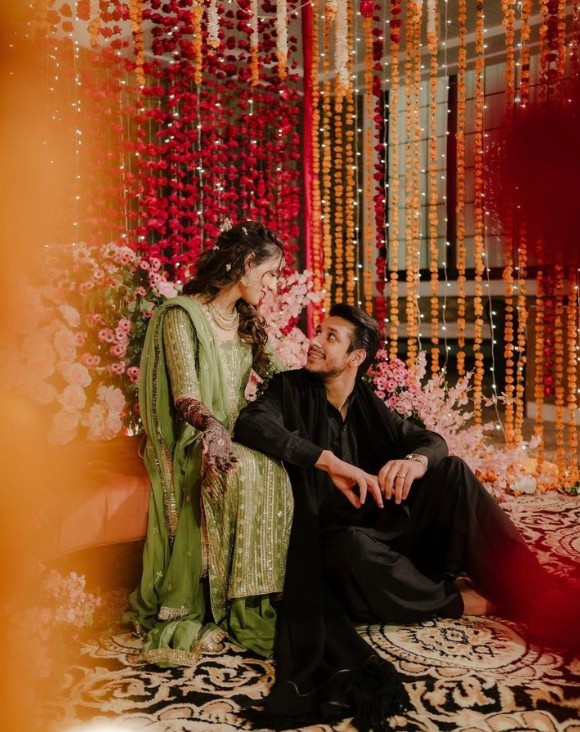
It has learned that:
- Control does not ensure success
- Silence does not create harmony
- Compatibility cannot be forced
Instead, success comes from:
✔ Dialogue
✔ Respect
✔ Choice
✔ Guidance
✔ Balance
Closing Thoughts
Urban Bangladesh has shown that tradition and modernity do not have to clash.
When guided wisely, arranged marriage can offer:
- Stability without suffocation
- Structure without suppression
- Family involvement without control
That is why arranged marriage, in its evolved form, continues to shape successful urban families today.

Other Articles

Marriage Media for USA, Canada & UK-Based Bangladeshis
How Family Background Checks Protect Long-Term Marriages