






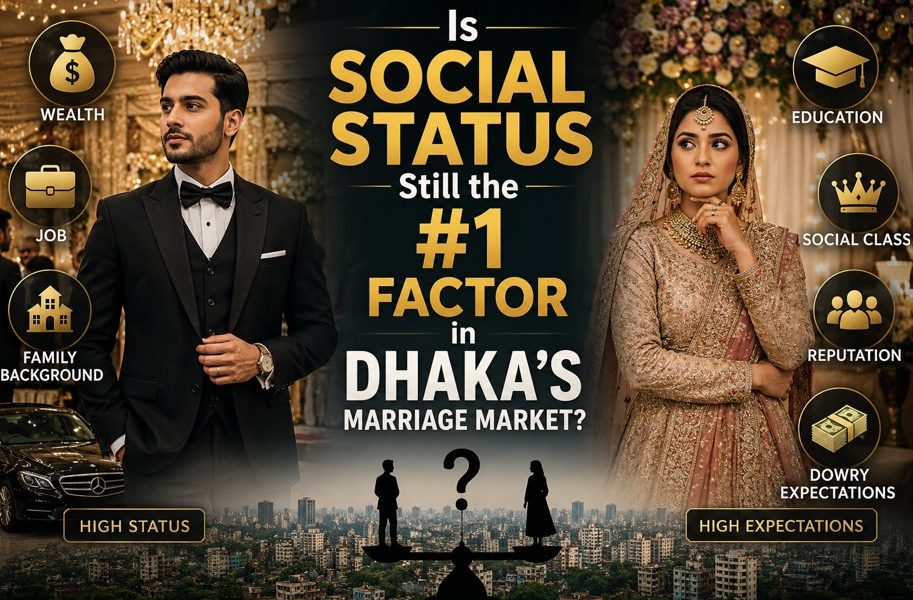

Is Social Status Still the #1 Factor in Dhaka’s Marriage Market?
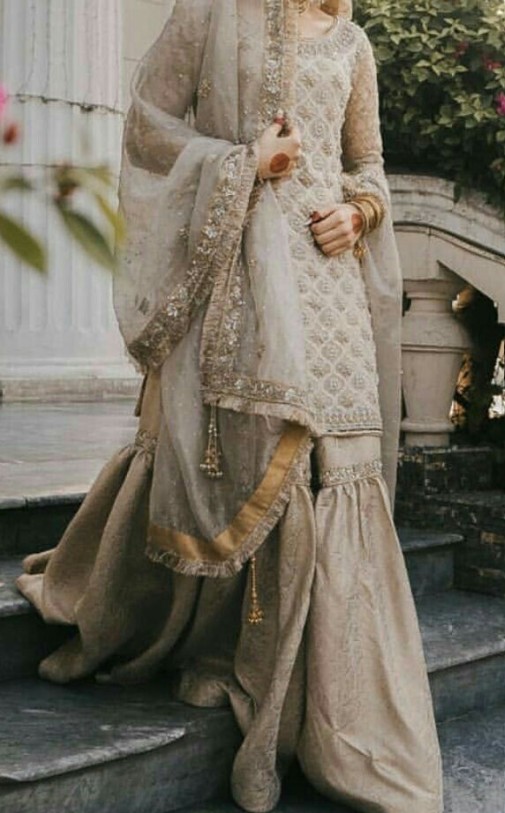
Introduction: A Changing Marriage Landscape in Dhaka
Dhaka’s marriage market has always been complex, layered, and deeply influenced by culture, family values, and socioeconomic realities. For decades, one factor stood above the rest—social status. Families prioritized reputation, wealth, lineage, and class compatibility above almost everything else.
But today, the question is:
👉 Is social status still the most important factor in Dhaka’s marriage decisions?
Or has modern life reshaped priorities?
The answer isn’t simple. Dhaka is now a city of contrasts—where tradition meets modernity, where family authority meets individual choice, and where social status competes with education, compatibility, and emotional connection.
This article explores the real truth behind Dhaka’s evolving marriage market, especially in areas like Gulshan, Banani, Baridhara, and Uttara.
Chapter 1: The Traditional Reality – Social Status Was Everything
To understand today, we must first understand the past.
In traditional Bangladeshi society, marriage was never just about two people—it was about two families forming an alliance. (Wikipedia)
Key Factors in Traditional Marriage:
- Family reputation
- Wealth and property
- Social class
- Religious compatibility
- Community standing
In elite areas of Dhaka, this was even more rigid. According to research, marriages were often arranged within similar social circles to preserve status and legacy. (Gulshan Media)
Why Social Status Dominated:
- Security: Wealth ensured stability
- Reputation: Families avoided social criticism
- Compatibility: Similar lifestyle reduced conflict
- Power Dynamics: Marriage strengthened social networks
In short, social status was not just important—it was non-negotiable.
Chapter 2: What Exactly Is “Social Status” in Dhaka?
Before we go further, let’s break down what “social status” actually means in today’s context.
In Dhaka’s marriage market, social status includes:
- Financial Status
- Income level
- Business ownership
- Property (flat, house, land)
- Educational Background
- Local vs foreign degree
- University reputation
- Family Background
- Elite vs middle-class
- Known or influential family
- Lifestyle
- Living in Gulshan, Banani, Baridhara
- Travel habits, social exposure
- Profession
- Doctor, engineer, banker, entrepreneur
- Job stability
Interestingly, modern Bangladesh has seen a shift where financial strength often outweighs family lineage. (Wikipedia)
Chapter 3: The Shift – Why Social Status Is No Longer the Only Factor
Dhaka is not the same city it was 20 years ago.
Major Changes:
- Rapid urbanization
- Global exposure
- Higher education rates
- Women’s empowerment
- Rise of online matchmaking
These changes have challenged the dominance of social status.
Chapter 4: Education – The New Power Factor
Research shows that education is one of the strongest determinants in marriage decisions in Bangladesh. (Cambridge University Press & Assessment)
Why Education Matters More Now:
- Educated individuals seek compatibility
- Exposure changes expectations
- Career goals delay marriage
- Decision-making becomes more personal
In elite Dhaka circles, a foreign-educated candidate may be preferred even over someone from a higher-status family.
Chapter 5: Financial Stability vs Social Status
Here’s an important distinction:
👉 Social status ≠ financial stability
In the past, they were almost the same.
Today, they are different.
Modern families often prefer:
- A self-made professional
- Stable income
- Growth potential
Even if the person comes from a middle-class background.
This shift is clearly visible in Dhaka’s urban marriage trends, where earning potential and career trajectory are heavily evaluated. (The Financial Express)
Chapter 6: The Rise of Individual Choice
One of the biggest changes in Dhaka’s marriage market is individual involvement.
Previously:
- Parents made decisions
Now:
- Candidates have a strong voice
Urban life has increased independence, and many young people:
- Meet through work
- Use social media
- Explore compatibility
This shift reduces the absolute power of social status.
Chapter 7: Women’s Empowerment Changed Everything
Modern Dhaka women are:
- Educated
- Career-oriented
- Financially independent
This has dramatically changed marriage dynamics.
According to recent observations:
- Women now set their own standards
- They prioritize respect, compatibility, and mindset
Social status still matters—but it is no longer enough.
Chapter 8: Compatibility Is the New Priority
Today’s couples are asking deeper questions:
- Do we share values?
- Are our life goals aligned?
- Can we communicate well?
Marriage is increasingly seen as a partnership, not just a social contract. (The Financial Express)
This shift is especially strong in:
- Gulshan
- Banani
- Uttara
- Baridhara
Chapter 9: The Reality – Social Status Still Matters (A Lot)
Let’s be honest.
Even today, social status remains very powerful in Dhaka’s marriage market.
Why It Still Dominates:
- Families want “equal matches”
- Fear of social judgment
- Lifestyle compatibility
- Financial expectations
In many cases:
👉 Families still reject proposals due to status differences
And in arranged marriages, socioeconomic compatibility remains a key criterion. (Gulshan Media)
Chapter 10: Elite Areas vs Middle-Class Reality
In Gulshan / Banani:
- Status still plays a major role
- Family background is highly valued
- Reputation matters
In Middle-Class Dhaka:
- Education and job matter more
- Flexibility is higher
- Love marriage is increasing
In Lower-Income Areas:
- Economic survival is the key factor
- Early marriage is influenced by poverty and insecurity (Sage Journals)
Chapter 11: The Influence of Lifestyle Expectations
Marriage today is also about lifestyle.
Questions families ask:
- Can the groom maintain the bride’s lifestyle?
- Will the bride adjust to a different standard?
This makes social status still relevant—because lifestyle gaps create conflict.
Chapter 12: Social Media & Digital Matchmaking
Online platforms have:
- Increased options
- Reduced dependence on family networks
- Allowed cross-class connections
But interestingly:
👉 People still filter matches by status
So technology has expanded choice—but not completely removed class barriers.
Chapter 13: The Pressure of “Show-Off Culture”
Modern Dhaka weddings often involve:
- Luxury venues
- Expensive outfits
- Social media display
This reflects what economists call status signaling—using marriage to show wealth and class. (The Financial Express)
So even if mindset changes, society still rewards status.
Chapter 14: Love vs Status – The Ongoing Conflict
Love marriages are increasing, but they still face challenges:
- Family rejection
- Status mismatch issues
- Social pressure
In many cases:
👉 Love fails when status differences become too big
This shows that social status is still deeply embedded.
Chapter 15: The Psychological Side of Status
Why do people care so much about status?
Because it represents:
- Security
- Identity
- Pride
- Social acceptance
In Bangladesh’s collectivist culture, marriage reflects family image, not just personal happiness.
Chapter 16: What Actually Matters Most Today?
Let’s break it down realistically.
Top Factors in Dhaka Marriage Market (2026):
- Financial stability
- Education
- Family compatibility
- Personal values
- Social status
👉 Notice: Social status is still there—but not always #1
Chapter 17: The Real Answer
So, is social status still the #1 factor?
✔ Yes… in traditional and elite families
✔ Partially… in modern urban families
❌ No… when individuals take full control
The truth is:
👉 Social status is no longer the only factor—but it is still one of the strongest.
Chapter 18: What This Means for Brides & Grooms
If You Are a Groom:
- Focus on career growth
- Build financial stability
- Improve communication skills
If You Are a Bride:
- Know your priorities
- Balance expectations
- Focus on long-term compatibility
Chapter 19: Role of Professional Marriage Media
This is where platforms like Gulshan Media become important.
They help:
- Match compatible families
- Verify social and financial background
- Balance status with compatibility
In today’s complex market, guided matchmaking is more important than ever.
A Balanced Future
Dhaka’s marriage market is evolving—but not abandoning its roots.
Social status is no longer the only king—but it is still a powerful player.
The future of marriage in Dhaka will likely be a balance between:
- Tradition
- Individual choice
- Financial reality
- Emotional compatibility
Is Social Status Still the #1 Factor in Dhaka’s Marriage Market? (Extended Analysis)
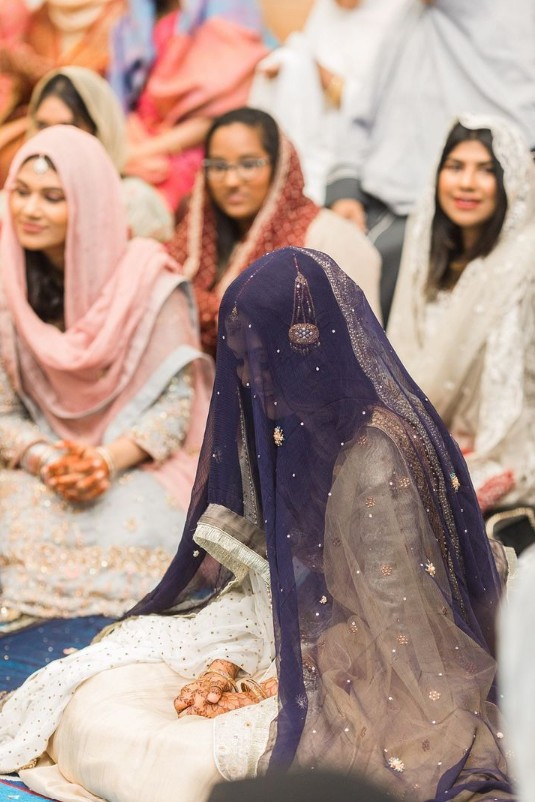
Chapter 20: The Role of Family Reputation in Modern Matchmaking
Even in 2026, one of the most subtle yet powerful elements of social status in Dhaka’s marriage market is family reputation.
In areas like Gulshan, Banani, and Baridhara, people may not always openly discuss wealth, but they pay close attention to:
- Family name
- Social connections
- Community respect
- Public image
Why Family Reputation Still Matters
Marriage is seen as a long-term alliance, not just a relationship between two individuals. Families ask questions like:
- “What kind of people are they?”
- “How are they known in society?”
- “Do they have any controversies?”
Even if a candidate is highly educated and financially stable, a questionable family reputation can lead to rejection.
The Silent Screening Process
Many families conduct informal background checks:
- Asking mutual contacts
- Checking social media presence
- Observing lifestyle patterns
This shows that social status has evolved—it is no longer just about wealth, but also about credibility and trustworthiness.
Chapter 21: The Impact of Overseas Exposure
Another major shift in Dhaka’s marriage dynamics is the rise of overseas-educated and expatriate candidates.
Why Overseas Background Adds Value
Candidates who have studied or worked abroad are often perceived as:
- More independent
- Open-minded
- Financially promising
- Socially adaptable
In many cases, an overseas background can override traditional social status barriers.
But There’s a Catch
While overseas exposure increases desirability, it also introduces concerns:
- Cultural differences
- Long-distance marriage challenges
- Adjustment issues
So while it boosts status, it also adds complexity.
Chapter 22: The Changing Role of Parents
Parents are still central to marriage decisions in Dhaka—but their role is changing.
Traditional Role:
- Final decision-makers
- Strong focus on status
- Strict criteria
Modern Role:
- Advisors rather than controllers
- More flexible mindset
- Willing to consider children’s preferences
However, when it comes to final approval, many parents still prioritize:
👉 Social compatibility
👉 Financial security
👉 Family background
So while the process is more flexible, the core concerns remain rooted in status.
Chapter 23: The Rise of “Negotiated Marriages”
A new trend in Dhaka is what can be called “negotiated marriages”.
These are not fully arranged, nor fully love marriages.
Key Characteristics:
- Families introduce the match
- The couple interacts and decides
- Both sides negotiate expectations
What Gets Negotiated?
- Career continuation after marriage
- Living arrangements
- Financial contributions
- Lifestyle expectations
In this system, social status becomes one factor among many, rather than the only deciding element.
Chapter 24: The Influence of Career Ambition
Career ambition has become a defining trait in modern Dhaka marriages.
For Men:
- Career growth is expected
- Financial stability is crucial
For Women:
- Career is increasingly valued
- Independence is respected
The New Reality
Many families now ask:
- “Does this person have future potential?”
Instead of:
- “What is their current status?”
This marks a shift from static status → dynamic potential.
Chapter 25: The Double Standard Still Exists
Despite progress, gender-based double standards still influence how social status is evaluated.
For Men:
- Income and profession matter most
- Family background is secondary
For Women:
- Education matters
- But so do appearance, behavior, and adaptability
In many cases:
👉 A man can “marry up” in status
👉 A woman is expected to “match or adjust”
This imbalance shows that while society is evolving, it is not fully equal yet.
Chapter 26: The Pressure of Age and Timing
Age plays a critical role in Dhaka’s marriage decisions.
For Women:
- Social pressure increases after late 20s
- Families may compromise on status
For Men:
- More flexibility with age
- Status expectations may increase over time
How This Affects Social Status
As age increases:
- Families may become more practical
- Status requirements may soften
This shows that timing can sometimes outweigh status considerations.
Chapter 27: The Economics of Marriage
Marriage in Dhaka is not just emotional—it is also economic.
Financial Considerations Include:
- Wedding expenses
- Living standards
- Future planning
- Family responsibilities
The Reality
Families often evaluate:
👉 “Can this marriage sustain a certain lifestyle?”
This keeps social status relevant because it is closely tied to economic capability.
Chapter 28: The Role of Religion and Values
While social status is important, religion and values still play a major role.
Families consider:
- Religious practices
- Moral values
- Lifestyle compatibility
In many cases:
👉 A mismatch in values can outweigh status advantages
This is especially true in more conservative families.
Chapter 29: Urban vs Semi-Urban Differences
Dhaka is not uniform—there are clear differences between areas.
Urban Elite (Gulshan, Banani):
- Status-conscious
- Reputation-focused
- Lifestyle-driven
Semi-Urban Areas:
- More flexible
- Practical decision-making
- Focus on stability
Result
Social status matters more in elite areas, while practical compatibility matters more elsewhere.
Chapter 30: The Role of Matrimonial Services
Professional matchmaking services like Gulshan Media are playing a crucial role in balancing priorities.
What They Offer:
- Verified profiles
- Confidential matchmaking
- Status-based filtering
- Compatibility assessment
Why They Matter
In a complex marriage market, these services:
👉 Reduce risk
👉 Save time
👉 Improve match quality
They also help bridge the gap between:
- Traditional expectations
- Modern realities
Chapter 31: The Influence of Peer Pressure
In Dhaka society, peer influence is strong.
People compare:
- Weddings
- Spouses
- Lifestyle
The Result
Marriage decisions are often influenced by:
👉 “What will people say?”
This reinforces the importance of social status—even when individuals want to prioritize compatibility.
Chapter 32: The Hidden Cost of Status-Based Marriages
While status-based marriages may look perfect externally, they often face hidden challenges:
Common Issues:
- Lack of emotional connection
- High expectations
- Pressure to maintain image
- Limited personal freedom
This has led many young people to question:
👉 “Is status worth sacrificing happiness?”
Chapter 33: Success Stories Without Status Matching
Interestingly, many successful marriages in Dhaka today are based on:
- Mutual respect
- Understanding
- Shared goals
Not necessarily equal social status.
These stories are gradually changing societal perceptions.
Chapter 34: The Role of Communication
Modern couples value communication more than ever.
They discuss:
- Expectations
- Financial planning
- Family roles
This reduces the over-reliance on status as a decision-making shortcut.
Chapter 35: The Future of Dhaka’s Marriage Market
Looking ahead, several trends are likely:
- Declining dominance of social status
- Increasing importance of compatibility
- Growth of professional matchmaking
- More individual decision-making
- Greater acceptance of diverse backgrounds
However, social status will not disappear—it will evolve.
Chapter 36: Practical Advice for Families
For Parents:
- Focus on long-term compatibility
- Avoid over-prioritizing status
- Listen to your children
For Candidates:
- Be realistic
- Prioritize values and mindset
- Don’t chase status blindly
Chapter 37: The Balance Between Heart and Society
Marriage in Dhaka is ultimately a balance between:
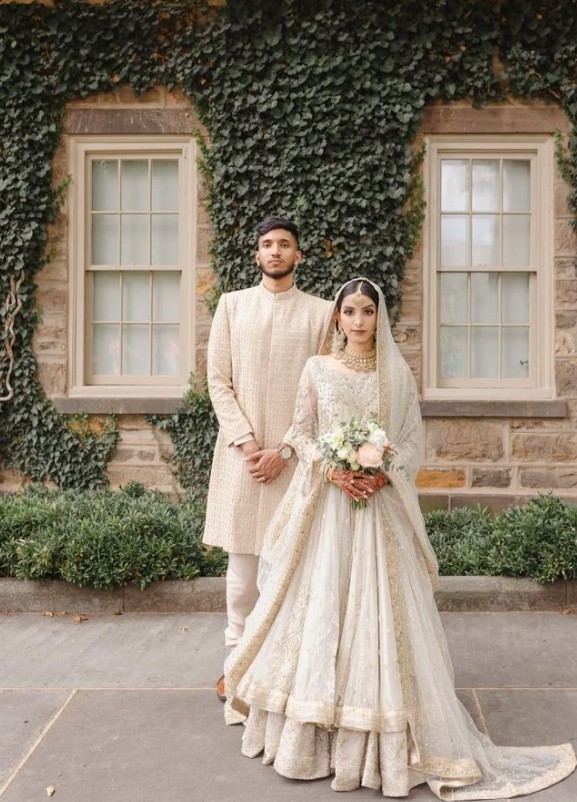
- Personal happiness
- Family expectations
- Social acceptance
Ignoring any one of these can create problems.
Final Extended Conclusion
So, after a deep and extended analysis, what is the final answer?
👉 Social status is no longer the undisputed #1 factor—but it remains deeply influential.
In Dhaka’s marriage market:
- It shapes first impressions
- It influences family decisions
- It affects long-term expectations
But it is now competing with:
- Education
- Career
- Compatibility
- Personal choice
The Real Truth:
✔ Social status opens doors
✔ But compatibility builds lasting relationships
The most successful marriages today are those that:
👉 Balance status with understanding
👉 Combine tradition with modern thinking
👉 Respect both family and individual choice
Final Thought
In the end, marriage is not just about:
- Who looks good on paper
- Or who belongs to which class
It is about:
👉 Who you can build a life with
And Dhaka, slowly but surely, is beginning to understand that.
Social status still plays a significant role in Dhaka’s marriage market, but it is no longer the only deciding factor. Traditionally, families prioritized wealth, reputation, and class when choosing a match. Today, however, education, career stability, personal values, and compatibility have become equally important. In areas like Gulshan and Banani, status still influences decisions, especially among elite families. Yet, many modern couples now focus more on mutual understanding and long-term compatibility rather than just social standing. Ultimately, social status may open doors, but it is trust, respect, and shared goals that sustain a successful marriage in today’s Dhaka.